5 minWorld
Greenland Gains Greater Autonomy in New U.S.-Denmark Security Deal
A new defense agreement signed at the U.N. General Assembly ends a tense standoff over Greenland, giving the island a more influential role in its own foreign policy while mending transatlantic ties.
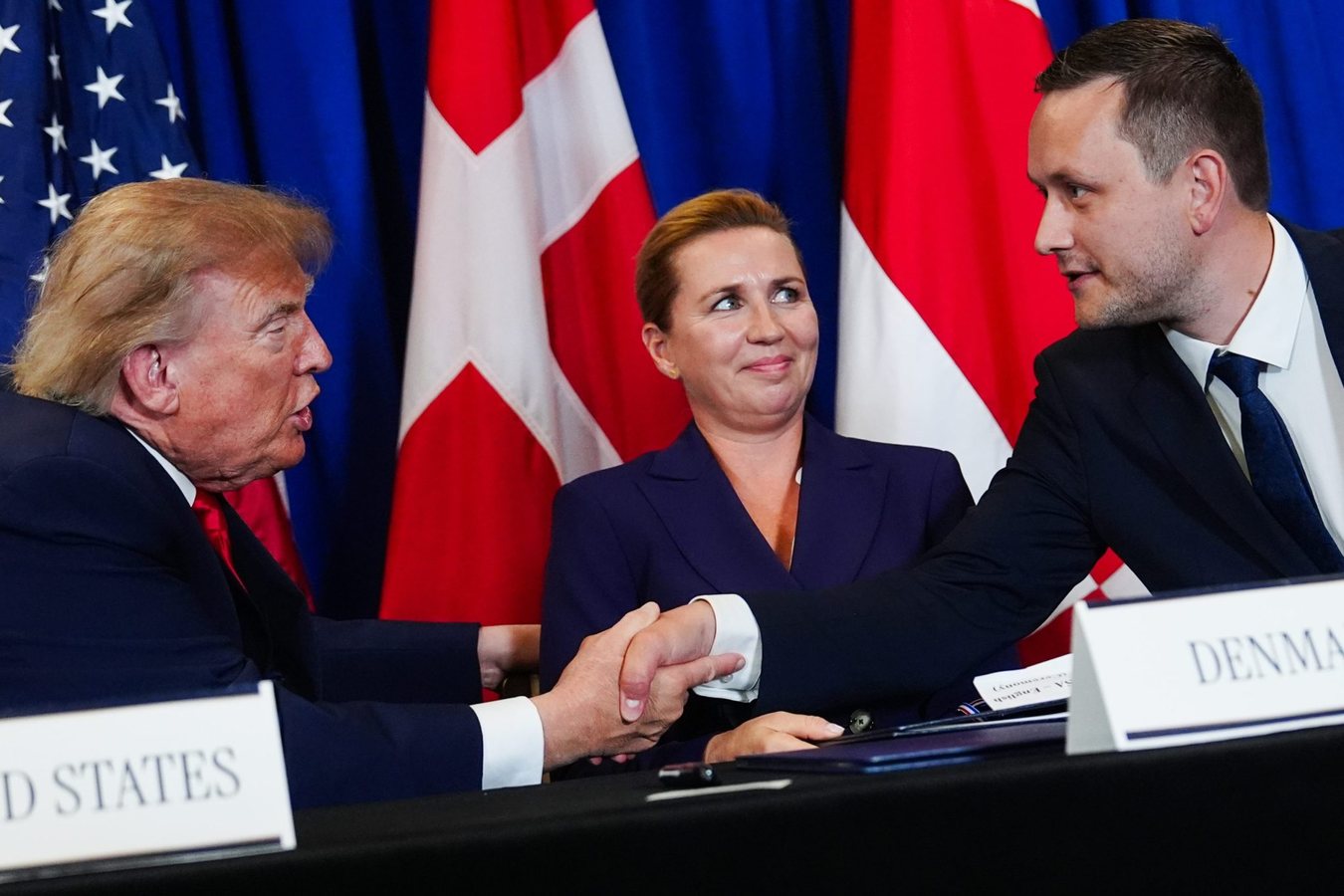
Greenland has secured a more prominent seat at the table in its own foreign affairs after the United States, Denmark, and the island's government signed a new security agreement on the sidelines of the U.N. General Assembly. The deal, hailed by President Donald Trump as a sign of a «fantastic» relationship, closes a dangerous chapter in transatlantic relations that began when Trump revived U.S. territorial ambitions over the world's largest island.
The agreement grants the United States broader military access, though much of it was already available under a 1951 defense pact. The real shift, analysts say, is Greenland's direct participation in a binding international agreement for the first time. «A notable change is Greenland itself at the table today, signing this agreement,» Greenlandic Prime Minister Jens-Frederik Nielsen said at the signing ceremony, surrounded by journalists and officials.
Naaja Nathanielsen, one of Greenland's two lawmakers in the Danish parliament, called it a «huge step forward in our quest for more self-autonomy.» For a territory of about 56,000 mostly Inuit people, the moment marks a significant advance in a long push for self-determination. Greenland was considered a colony until the early 1950s and only became a self-governing country within the Kingdom of Denmark in 2009. Even then, Denmark retained control of defense and foreign affairs.
The crisis that led to the deal erupted after Trump made military threats and renewed claims on Greenland, straining ties with Denmark, one of America's oldest allies. The standoff nearly broke NATO, according to European officials, and shattered trust. Danish and Greenlandic diplomats worked to frame the dispute as a European security problem, ultimately patching together the alliance. «The benefit of keeping the transatlantic alliance, or patching it together, or at least not allowing Greenland to be the occasion for Trump to blow it up, I think that counts heavily on both the Danish and the Greenlandic cost-benefit analysis here,» said Ulrik Pram Gad, a senior researcher at the Danish Institute for International Studies.
While the new agreement is slightly broader than the 1951 deal, much of what it contains could have been achieved through quiet diplomacy a year earlier. The cost has been a year of transatlantic distrust. Yet for Greenland, the episode has accelerated a shift from being merely the subject of foreign policy to helping shape it. The promised investments and contracts may not fully materialize, but the political precedent is clear.
The standoff also pushed Denmark to confront its colonial legacy. Forced contraception, the removal of Inuit children for reeducation by Danish foster families, and controversial parental-competency tests that separated children from their parents are among the abuses that have come to light. Many victims remain alive. Hundreds of Inuit women have claimed compensation from Denmark, alleging that health authorities fitted them with intrauterine devices without informed consent, often when they were teenagers. Danish authorities estimate that as many as 4,500 women and girls received IUDs between the 1960s and mid-1970s. Denmark delivered its first official apology in the summer of 2025.
«For many, many years you believed that you were a good colonizer,» Múte Bourup Egede, then Greenland's prime minister and now its foreign minister, reminded Danish journalists early last year. «But time has also caught up with us, and cruel things have come to light.»
Trump's pressure campaign also had an unintended effect: it shored up support for Danish sovereignty and tempered calls in Greenland for a quick break from Denmark. At the height of the crisis in January, Nielsen declared that if forced to choose between the United States and Denmark, Greenland would choose Denmark and NATO.
After Tuesday's signing, relief was palpable. Danish and Greenlandic delegations celebrated with a cold beer on a Manhattan rooftop bar. But the scars of the crisis remain, and the question of whether the incremental gains were worth the damage to transatlantic trust lingers.
3