3 minWorld
Europe to send diplomat team to Ukraine talks as leaders seek a seat at the table
European Council President Antonio Costa announced a European diplomatic team to join Ukraine negotiations, as European leaders press for a direct voice in talks that have so far been led by the United States.
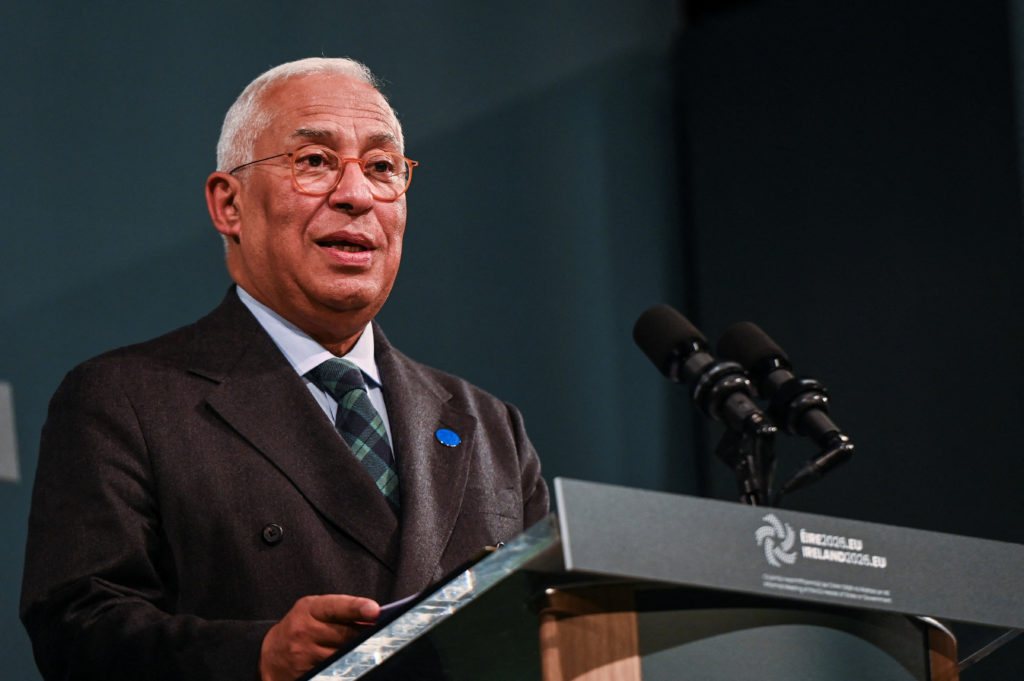
European leaders are moving to send a diplomatic team to the Ukraine negotiations, seeking a direct role in talks that have so far been driven largely by Washington. European Council President Antonio Costa announced the European representation, which will bring together the European Union and five members of the so-called coalition of the willing: the United Kingdom, France, Germany, Italy and Poland. The announcement places the EU and these five governments at the center of an effort to shape the diplomatic track rather than react to it from the sidelines.
The stated purpose of the team is to give Europe a voice in negotiations over Ukraine's future. European governments have funded and supported Kyiv throughout the war, yet they have been largely absent from the discussions that could shape any settlement. European leaders have pressed for a seat at the table on the grounds that the security of the continent is directly at stake, and the team is the most concrete step so far toward that goal.
The announcement came as Ukrainian President Volodymyr Zelensky met US envoys Steve Witkoff and Jared Kushner in Dublin on a Thursday. The meeting shows that US-led talks are continuing alongside the new European effort, meaning two separate diplomatic tracks are now running in parallel. The reporting does not say how the two will be coordinated, or whether the European team will join existing sessions or hold its own. That gap matters: a European voice that operates apart from Washington and Kyiv would carry different weight than one built into the same negotiating room.
Several key questions remain open. The sources do not specify the exact mandate of the European team or the negotiating powers it will hold, so it is unclear whether its members can make commitments or only advise. It is also unclear whether Russia will accept European participation in the talks, a factor that could determine whether the initiative moves beyond the announcement stage. Moscow's position will be decisive in practical terms, because talks without its agreement cannot produce a settlement. The timing of the first European-led session has not been confirmed either, leaving the start of the effort without a date.
The Dublin meeting and the European announcement together point to a diplomatic process that is widening rather than narrowing. Zelensky's contacts with the American envoys show that Kyiv is keeping its channel to Washington active while European capitals seek a formal place alongside it. Whether the European team turns that ambition into real influence over the terms of any agreement will depend on its mandate, on how it coordinates with the United States and Ukraine, and on whether Moscow agrees to sit across from European negotiators. Until those points are settled, the announcement signals intent more than a confirmed change in how the talks are run.
Source: pbs.org
42