3 minWorld
Commentator urges firm US response to Iran's nuclear program
An opinion piece argues that Washington has already crossed a line with Tehran and should keep up sanctions, maritime enforcement and periodic strikes rather than pursue full-scale war.
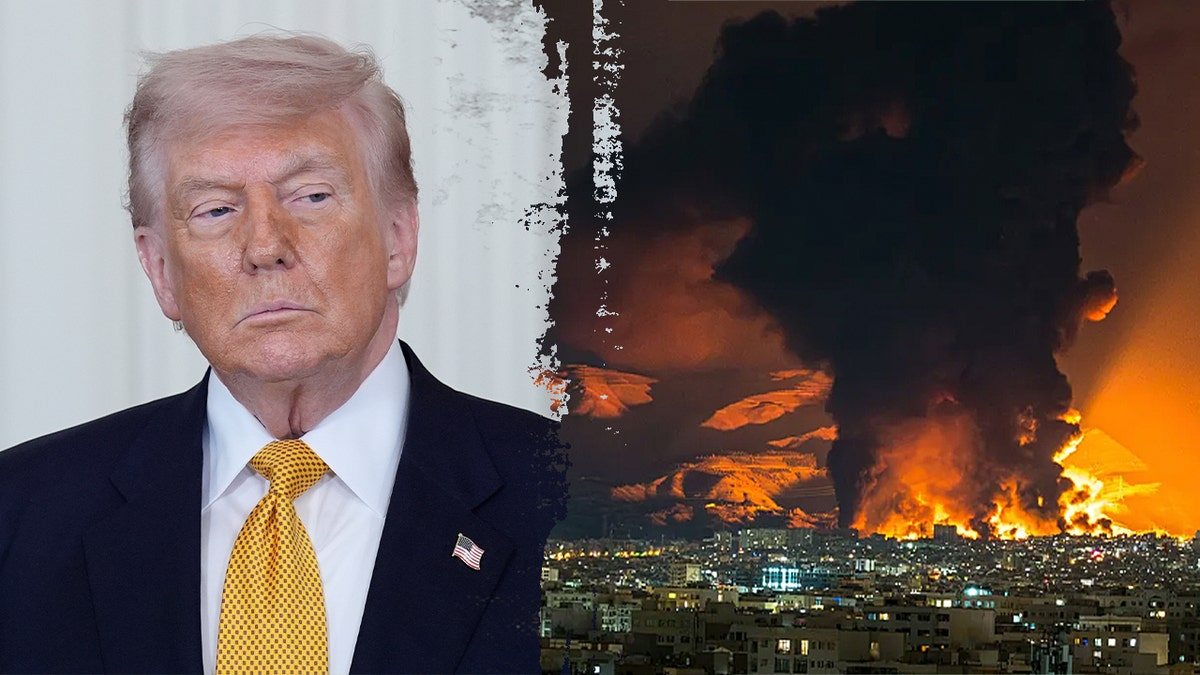
A conservative opinion essay published by Fox News argues that the United States has already committed itself to a confrontation with Iran and cannot now stop halfway. The author contends that Washington should maintain economic sanctions, enforce its position in the Strait of Hormuz, and carry out periodic military strikes against Iranian nuclear and military targets, while rejecting the idea of a full-scale war renewed every six months.
The argument rests on a long history of hostility that the author traces to the 1979 revolution. It cites the seizure of the US embassy in Tehran, where 52 Americans were held for 444 days, and the 1983 bombing of the US Marine barracks in Beirut, which killed 241 American servicemen. The essay also points to the 1994 bombing of the AMIA Jewish community center in Buenos Aires, which killed 85 people and which an Argentine court attributed to Iran, and to a 2011 plot against the Saudi ambassador in Washington. The author describes Iran's ideological opposition to the United States and Israel as a consistent feature of its policy since 1979.
On the nuclear file, the essay is critical of the 2015 Joint Comprehensive Plan of Action, which it describes as a set of temporary restrictions that left Iran's technical expertise intact. It cites International Atomic Energy Agency figures from June 2025 showing about 440.9 kilograms of uranium enriched to 60 percent. The author acknowledges that enrichment at that level is well short of confirmed weapons capability, but argues that it represents a dangerous step. The IAEA has also reported undeclared nuclear material and activities in Iran, and the essay points to a deep-buried site known as Pickaxe Mountain near Natanz, whose purpose has not been confirmed.
The piece also highlights Iran's conventional threats across the region, including its missiles, drones and network of proxy forces. It notes that Shahed drones, of Iranian design, have reportedly been used by Russia against Ukraine. The author presents these capabilities as reasons the United States cannot treat the nuclear question in isolation.
The essay acknowledges domestic concern in Washington about the economic effects of the confrontation. Members of Congress have raised worries about gasoline and fertilizer prices. The author argues that lower fuel prices do not outweigh the long-term risk posed by a nuclear-armed Iran, and criticizes the administration for not having explained a plan for the period after the conflict. Open questions, the author writes, include the terms of verification, the consequences if Iran cheats, and how victory would be defined.
Source: foxnews.com
8