3 minWorld
Ceuta Border Surge Highlights Despair Among Young Moroccans
Between 50,000 and 60,000 people entered Spain's North African enclave of Ceuta last week, exposing the desperation driving many young Moroccans to seek a future in Europe.
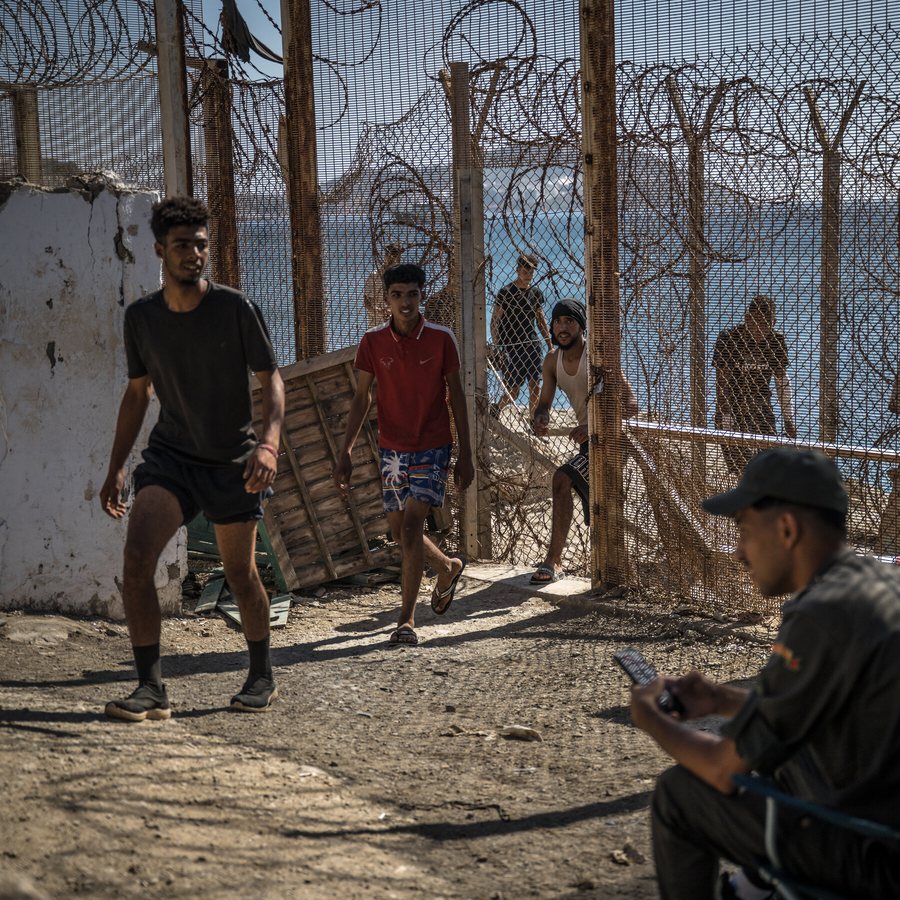
Last week, between 50,000 and 60,000 people entered Ceuta, the small Spanish exclave on North Africa's Mediterranean coast, in a sudden surge across the border from Morocco that laid bare the desperation driving many young Moroccans toward Europe. The mass crossing, one of the largest in the enclave's recent history, overwhelmed the frontier and triggered an urgent response from Spanish and Moroccan authorities.
Ceuta sits on Morocco's northern coastline and shares a land border with the kingdom, making it part of the European Union's external frontier on the African continent. For thousands of migrants, many of them young, the enclave is seen as a gateway to a different life. The events of the past week have focused attention on the bleak circumstances that push Moroccans to take such risks in the first place.
The scale of the influx quickly tested local infrastructure and border controls. Spanish authorities worked to manage the arrival of so many people in a territory that was never designed to absorb such numbers, straining services and raising urgent questions about reception capacity. In the days that followed, many migrants were moved back across the border to Morocco, with the gradual returns restoring a fragile sense of order.
The episode has exposed the depth of hopelessness among Morocco's youth, a generation struggling with limited economic opportunities and an uncertain future. While the immediate crisis may have eased with the returns, the underlying pressures that produced it remain. The sudden appearance of tens of thousands of people at the border is a warning sign that should not be ignored.
Ceuta has long been a flashpoint in migration between Africa and Europe. As one of the few places where the European Union and the African continent share a land border, the enclave has repeatedly found itself at the center of broader debates over who gets to enter Europe and under what conditions. Last week's events are likely to reverberate far beyond the territory, reopening discussions in Spain and across the European Union about border security, migration policy, and the need to address the root causes of such movements.
The return of migrants to Morocco may restore the status quo, but the deeper social and economic questions remain unresolved. For many young Moroccans, the decision to cross into Ceuta was not an act of opportunity but one of last resort, a reflection of the despair that has become a defining feature of their daily lives. Until those conditions change, Europe's southern border is likely to remain a point of pressure, and Ceuta a symbol of the human cost of stalled prospects at home.