5 minWorld
CBP officers seize $10.8 million in cocaine hidden in cabbage shipment at Texas border
Customs and Border Protection officers discovered 1,173 pounds of cocaine with an estimated street value of $10.8 million hidden inside a commercial tractor trailer transporting cabbage at the Pharr Port of Entry in Texas.
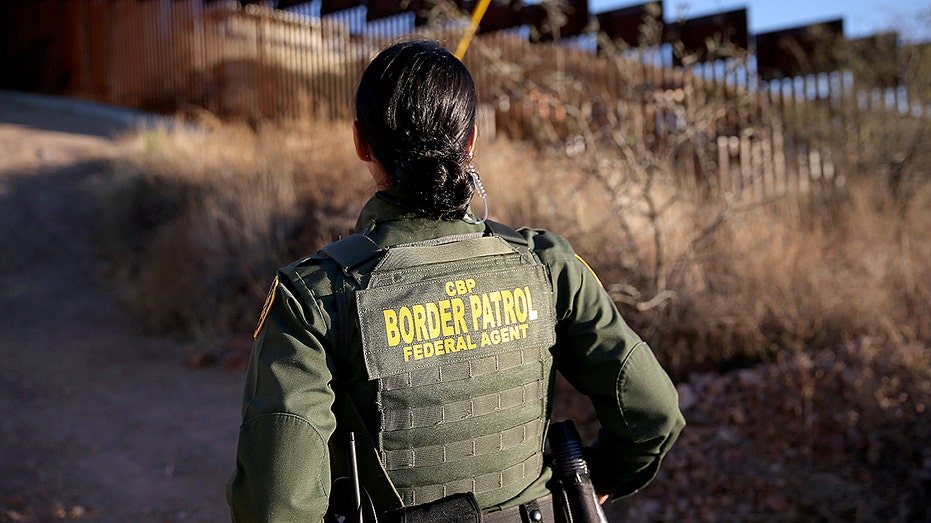
Customs and Border Protection officers made a major drug bust at a Texas port of entry this week, uncovering more than 1,100 pounds of cocaine hidden inside a commercial tractor trailer that was transporting a shipment of cabbage. The seizure, valued at nearly $10.8 million, highlights the ongoing threat of sophisticated smuggling operations even as border security investments reach historic levels.
The interception occurred Monday at the Pharr Port of Entry, a bridge crossing near the southernmost tip of Texas. According to CBP, a canine inspection and a nonintrusive imaging scan alerted officers to a hidden compartment inside the trailer. A subsequent physical search revealed 477 packages containing a total of 1,173 pounds of cocaine, with an estimated street value of $10,787,500.
«This interception is a powerful reminder that our CBP officers are on duty 24/7, employing every resource to detect and deter those who attempt to exploit our borders,» said Carlos Rodriguez, port director for the Hidalgo Port of Entry, in a statement. The narcotics and the commercial truck were both seized by federal authorities.
The bust comes amid a period of significant investment in border security and record-high staffing levels at CBP. Republicans in Congress have allocated substantial funding to the agency through President Donald Trump’s signature «Big Beautiful Bill» and subsequent legislation aimed at funding the Department of Homeland Security through the end of the administration. Those two bills provided $64 billion and $26 billion, respectively, for CBP, with a large portion of the second bill designated for agency manpower.
Earlier this year, CBP announced it had reached a historic staffing milestone, with 21,471 officers on the payroll — the highest number in the agency’s 102-year history. At the same time, border crossings have dropped dramatically since the end of 2024. Encounters at the southern border fell from over 144,000 in December 2024 to just 13,500 in May, representing a 90 percent reduction.
Despite these gains, CBP and other federal agencies continue to face the challenge of intercepting organized smuggling operations that attempt to bring drugs, weapons, and people illegally into the country. The cabbage shipment seizure is one of several recent high-profile drug busts at the border. In April, CBP prevented a car carrying a rocket-propelled grenade launcher, 16 AK rifles, 24 rifle magazines, 16 rifle stocks, 20 pistol grips, and other weapon parts from crossing into the United States.
«The threat of illicit narcotics is constant, but so is our vigilance,» Rodriguez said. The Pharr Port of Entry, located in the Rio Grande Valley, has been a frequent target for drug traffickers seeking to exploit commercial traffic. The use of legitimate agricultural shipments, such as cabbage, to conceal narcotics is a common tactic employed by cartels and other criminal organizations.
The seizure underscores the dual challenge facing border authorities: maintaining the flow of legitimate trade while preventing illegal goods from entering the country. The Pharr port is one of the busiest commercial crossings along the U.S.-Mexico border, processing thousands of trucks each day. Officers rely on a combination of canine teams, imaging technology, and physical inspections to detect hidden contraband.
Federal officials have not announced any arrests in connection with the cabbage shipment seizure, but investigations into the smuggling attempt are ongoing. The driver of the truck was taken into custody, though further details about the individual or the intended destination of the cocaine have not been released.
The bust is part of a broader pattern of drug interdictions at the southern border. In recent months, CBP officers have uncovered cocaine hidden in shipments of cucumbers, celery, and other produce, as well as in vehicles with concealed compartments. The agency has emphasized that the record staffing levels and enhanced technology have improved its ability to detect such smuggling attempts, but the sheer volume of commercial traffic continues to present logistical challenges.
As the investigation continues, the case serves as a reminder of the persistent efforts by drug trafficking organizations to exploit vulnerabilities in the border security system. CBP officials say they remain committed to adapting their tactics to stay ahead of smugglers, using every tool available to protect the nation’s borders.
96