4 minWorld
Abbas Delays Palestinian Elections to 2027, Extending Two-Decade Wait
Palestinian Authority President Mahmoud Abbas has postponed legislative and presidential elections to September 2027, citing conditions in the West Bank, Gaza, and east Jerusalem. The delay extends a nearly 20-year gap since the last legislative vote in 2006 and could further erode the PA's credibility.
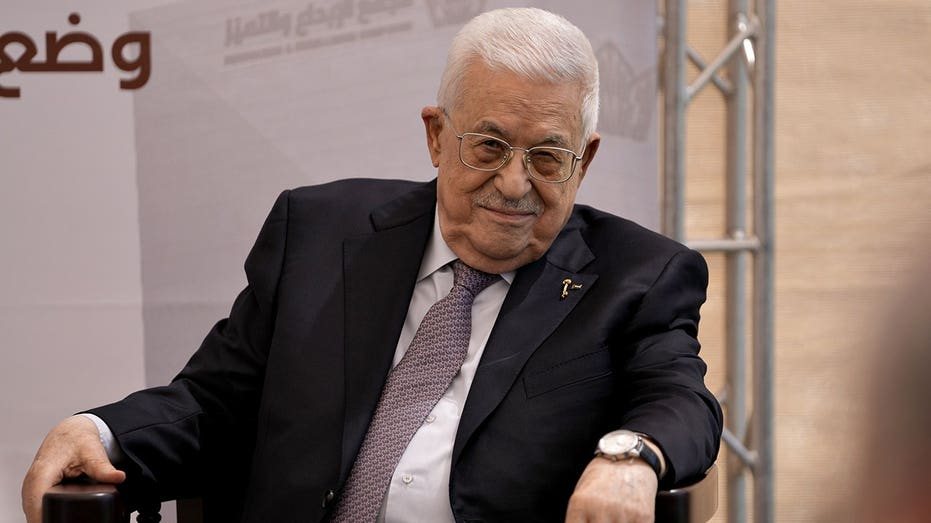
Palestinian Authority President Mahmoud Abbas has postponed long-awaited legislative and presidential elections, pushing the vote to September 11, 2027, according to a decree issued Friday and reported by the official Palestinian news agency WAFA. The decision extends a nearly two-decade gap since Palestinians last chose a legislature in 2006 and leaves Abbas, who was elected to a four-year term in 2005, in power without a fresh mandate.
The delay was justified by Palestinian officials citing conditions in the West Bank, Gaza Strip, and east Jerusalem. The Palestine Liberation Organization's Executive Committee, which Abbas heads, claimed Israel had blocked election materials and international observers from entering Gaza. Israeli Foreign Minister Gideon Saar rejected that assertion, accusing Abbas of trying to evade responsibility. In a post on X, Saar called the claim «yet another ridiculous lie designed to evade responsibility and accountability.»
Hamas, which has controlled Gaza since 2007, welcomed the postponement. The group described it as «a step in the right direction» and urged further talks on rebuilding Palestinian institutions before any vote. The rival factions have remained deeply divided since Hamas won a majority in the 2006 legislative elections, a result that led Israel and Western countries to boycott the Hamas-led government and fueled unrest that ended with Hamas taking full control of Gaza the following year.
Before the delay, Hamas, Palestinian Islamic Jihad, and a faction led by Mohammed Dahlan—a former Fatah security chief who fell out with Abbas—had been discussing an unlikely political alliance. Dimitri Dilliani, a spokesperson for Dahlan's faction, said in a statement that «Abbas is terrified by the electoral alliance bringing our faction together with opposition factions and forces within Fatah that reject his leadership.» The prospect of such a coalition had threatened to bring new challenges to Abbas' leadership.
The Palestinian Authority, dominated by Abbas' Fatah party, governs parts of the West Bank under agreements reached in the 1990s. Its credibility has faced criticism over corruption and security cooperation with Israel. The postponement allows Palestinian leaders to remain in power without facing voters, a move that could further damage the authority's standing.
The decision comes as the Palestinian Authority's future role in Gaza remains uncertain under a U.S.-brokered ceasefire plan reached last year. The plan calls for the authority to eventually play a role in Gaza, but its immediate responsibilities remain unclear. Hamas continues to govern the territory, while a committee of Palestinian technocrats remains in Cairo awaiting permission to enter Gaza and oversee a transition of power.
With the next vote now set for 2027, Palestinians face the prospect of more than two decades without legislative elections. The delay also means presidential elections, which have not been held since Abbas' 2005 victory, will be postponed alongside the legislative vote. The extended wait underscores the deepening political stagnation and the challenges facing any future electoral process.
4