5 minSports
WNBA Responds to Missing USA 250 Patch but Avoids Key Questions
The WNBA issued a statement about the absence of the USA 250 patch at the All-Star Game, but did not explain why the patch was dropped or who made the decision. The players' union says it did not request removal, contradicting earlier speculation.
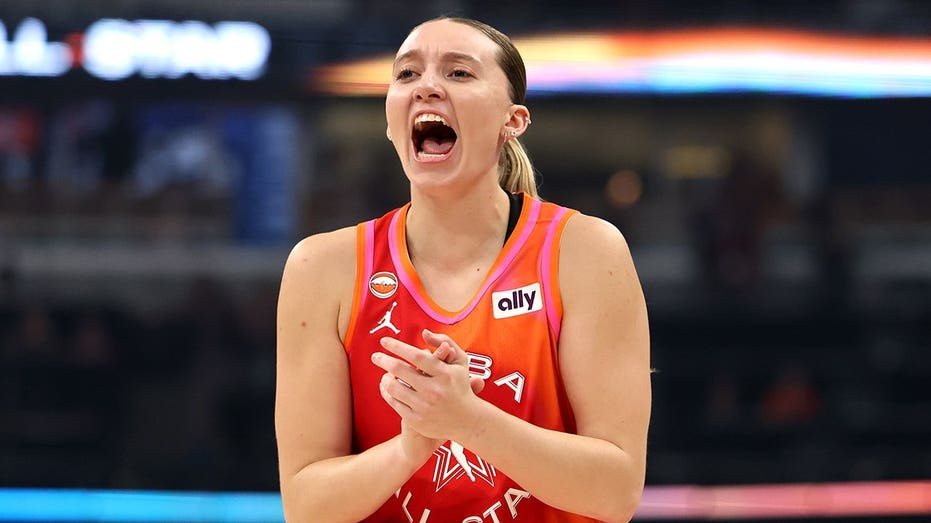
The WNBA has finally responded to questions about why the USA 250 patch was missing from players' uniforms during Saturday's All-Star Game in Chicago, but the league's statement sidestepped the central issues. A league spokesperson provided a statement Monday that highlighted tributes to veterans and military families but did not explain the decision to abandon the uniform patch, nor did it address whether player objections influenced the move.
The patch is part of the national America250 initiative, which has been embraced by the NFL, NBA, NHL, MLB, MLS, NASCAR, UFC, and WWE. Every player wore the patch during the Super Bowl, and NBA players displayed it throughout the Finals. The WNBA was not initially included in the announcement from Fanatics and America250, but reports later indicated the league planned to put the patches on All-Star uniforms. That report drew immediate criticism from Las Vegas Aces forward Brianna Turner, an elected member of the WNBA Players Association's executive leadership.
Turner publicly objected, writing on social media: «Whoever called for the WNBA all star uniforms to have the USA 250 patch should have thought that through considering no WNBA players would have been free 250 years ago.» She added that players would have been «breeders or in the fields working all day» in 1776. Following her remarks, player leaders reportedly contacted the league to discuss the issue. The union later told OutKick and Fox News Digital that those conversations were purely informational and that the WNBA made the final decision without seeking formal union input.
The WNBPA's statement undercut earlier suggestions that the union had demanded the patch be removed. «The league did not seek union input nor was the matter put before player leadership for action,» the union said. WNBPA president Nneka Ogwumike confirmed before the All-Star Game that players had raised the matter with league leadership, and Breanna Stewart, another executive committee member, told reporters that the patches would not appear on the jerseys.
The league's own statement, issued Monday, focused on honoring veterans and military families, a program that was not in dispute. «As America celebrates its 250th anniversary, the WNBA was proud to honor the service and sacrifice of our nation's veterans and military families,» the statement read, adding that the league recognized their contributions through All-Star Weekend activities. However, the statement failed to address why the planned uniform patch was scrapped, whether Turner's criticism or any other player opposition played a role, or who ultimately made the call.
The unanswered questions leave several possibilities. The WNBA may have independently decided that arena signage and an on-court tribute were more appropriate than a uniform patch. League executives might have been concerned about potential player objections without receiving a formal union request. Or the initial report may have overstated how close the league was to approving the patch. Another plausible scenario is that the league chose the safest public-relations path: if even a few players refused to wear the patch, All-Star Weekend could have become a public dispute over patriotism. Removing the patch preemptively avoided that risk, but the league cannot easily admit to such reasoning without acknowledging expected resistance from its players.
OutKick and Fox News Digital followed up after receiving the league's statement, noting that it did not address the central questions. The WNBA was again asked why it decided against using the USA 250 patch, whether Turner's criticism or opposition from any player influenced the decision, and who made the final call. The league has not provided further clarification.
The episode highlights a broader tension between the league's marketing initiatives and the social consciousness of its players. The America250 initiative is intended to commemorate the nation's semiquincentennial, but for some players, the symbolism of celebrating a country whose history includes slavery and oppression of women and minorities feels incompatible with the league's progressive identity. While the WNBA has not explained its decision, the absence of the patch has sparked debate about patriotism, protest, and who gets to decide what messages appear on the court.

87