4 minSports
USMNT Star Folarin Balogun Sent Off in Controversial World Cup Win Over Bosnia
Folarin Balogun scored and later received a controversial red card as the U.S. men's national team defeated Bosnia and Herzegovina 2-0 to advance to the World Cup Round of 16.
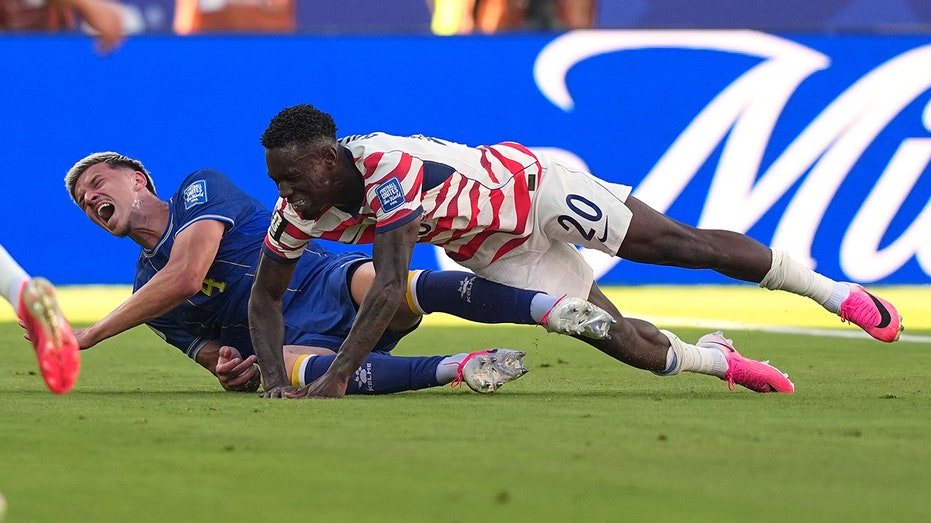
U.S. men's national team forward Folarin Balogun was at the center of a dramatic and controversial moment during Wednesday night's World Cup Round of 32 match against Bosnia and Herzegovina. After scoring the opening goal in the first half, Balogun was shown a red card in the second half following a VAR review, leaving the Americans to play the remainder of the match with 10 men. Despite the setback, the U.S. held on for a 2-0 victory and secured a spot in the Round of 16.
The incident occurred when Balogun challenged for a ball and inadvertently stepped on the leg of a Bosnia and Herzegovina player. Play continued briefly before referee Raphael Claus paused the match to consult the video assistant referee system. After several minutes of review, Claus determined that the challenge warranted a red card, a decision that sparked immediate outrage on social media. Fans and analysts alike questioned the severity of the punishment, arguing that the contact was accidental and did not meet the threshold for a sending-off.
Balogun had been a key figure for the U.S. throughout the tournament, and his first-half goal showcased his clinical finishing. The goal came from a precise touch by Malik Tillman, who later added a second goal on a free kick to double the lead. Balogun also had an earlier goal disallowed due to an offside call, but his overall performance had been electric. His red card, however, means he will be suspended for the Round of 16 match against Belgium, a significant blow to the U.S. attack.
The red card shifted the momentum of the game, with Bosnia and Herzegovina increasing their offensive pressure in an attempt to capitalize on the numerical advantage. The U.S. defense, however, held firm, and goalkeeper Matt Turner made several crucial saves to preserve the clean sheet. The victory was hard-fought, and the team's resilience in the face of adversity drew praise from fans and commentators.
The controversy surrounding Balogun's red card has reignited debates about the use of VAR in high-stakes matches. Critics argue that the system, while intended to correct clear errors, sometimes leads to overly harsh decisions that alter the course of a game. Supporters of the technology point out that the referee had the opportunity to review the incident thoroughly and made a judgment based on the available evidence. Regardless of the debate, the U.S. must now prepare for the next round without one of their most dangerous attacking players.
Balogun's absence will be felt deeply. The 24-year-old striker has been one of the standout performers for the U.S. in the tournament, combining speed, strength, and technical ability to trouble opposing defenses. His partnership with Tillman and other attacking players has been a key component of the team's success. Coach Gregg Berhalter will need to adjust his tactics and find a way to replace Balogun's goal-scoring threat against a strong Belgian side.
The U.S. men's national team has shown remarkable depth and determination throughout the World Cup, and Wednesday's win was a testament to their collective spirit. Despite the controversy, the team remains focused on the ultimate goal of advancing deep into the tournament. The Round of 16 clash with Belgium promises to be a challenging test, but the Americans have proven they can compete under pressure.
As the dust settles on the match, the focus now shifts to the disciplinary process. The U.S. Soccer Federation may consider appealing the red card, though such appeals are rarely successful in World Cup competitions. For now, Balogun will watch from the sidelines as his teammates take on Belgium, hoping that his absence does not derail the team's momentum.

86