5 minSports
USMNT Coach Pochettino Kicks Powerade Bottles in Frustration After Shaky First Half Against Belgium
United States men's national team head coach Mauricio Pochettino displayed visible frustration during the Round of 16 match against Belgium, kicking Powerade bottles after his team conceded two goals in the first half. Belgium's Charles De Ketelaere scored twice, while Malik Tillman equalized with a free kick, but the USMNT entered halftime trailing 2-1 and facing an uphill battle to reach the quarterfinals.
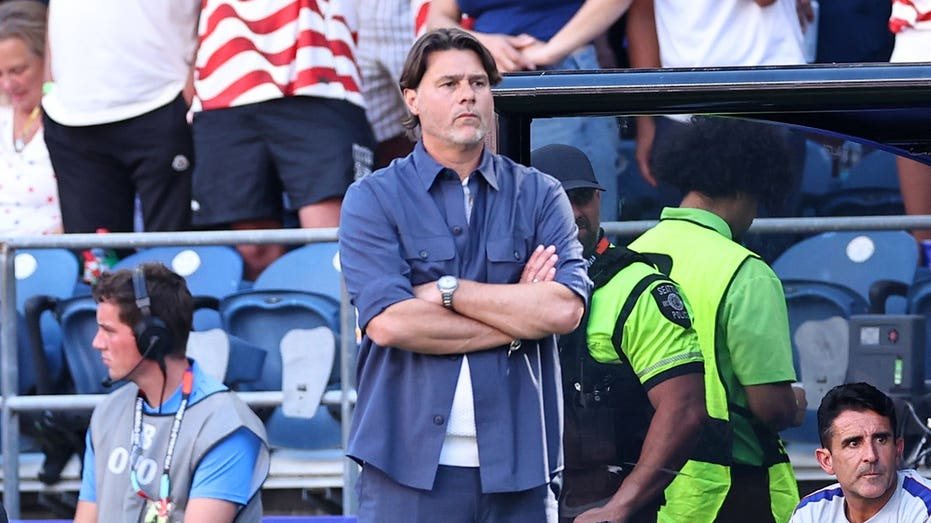
The United States men's national team faced a challenging first half in their Round of 16 match against Belgium at the FIFA World Cup, with head coach Mauricio Pochettino visibly losing his composure on the sideline. After Belgium scored their second goal just two minutes following a USMNT equalizer, Pochettino walked over to the bench and kicked a row of Powerade bottles in frustration, a moment captured by cameras and broadcast to a sold-out crowd in Seattle.
Belgium struck early, with Charles De Ketelaere tapping in a ball served directly in front of US goalkeeper Matt Freese less than 10 minutes into the match. The early goal sent a murmur through the stadium, but the USMNT responded in the 31st minute when midfielder Malik Tillman buried a free kick past legendary Belgian goalkeeper Thibaut Courtois. Tillman's goal, which came off a deflection from a Belgian defender, was his second free-kick goal of the tournament after scoring one in the Round of 32 against Bosnia and Herzegovina.
However, the USMNT's joy was short-lived. Just two minutes after Tillman's equalizer, De Ketelaere struck again, this time leaping over veteran defender Tim Ream to head the ball into the net. As Belgium celebrated, Pochettino's frustration boiled over, and he kicked the bottles on the ground before heading to the locker room at halftime.
The first-half statistics painted a clear picture of Belgium's dominance. While possession was relatively close — Belgium held 53% to the USMNT's 47% — the Belgians created four big chances and recorded five shots on goal compared to just one for the United States. The scoreline could have been worse for the USMNT, as Belgium's offensive pressure suggested they could have extended their lead further before the break.
Pochettino, who took over as USMNT head coach in 2024, has been known for his passionate and sometimes fiery demeanor on the sideline. His display of frustration underscored the high stakes of the match, as the USMNT is seeking to become only the second American team in history to reach the World Cup quarterfinals in the modern FIFA format. The 2002 USMNT squad was the last to achieve that feat, advancing to the quarterfinals before losing to Germany.
The USMNT entered the tournament with high expectations, having won their group and advanced past Bosnia and Herzegovina in the Round of 32. However, Belgium, a perennial powerhouse in international soccer, presented a formidable challenge. The Belgian squad, led by Courtois and a deep roster of talented players, has been a consistent contender in recent World Cups, and their experience showed in the first half.
For the USMNT to advance, they will need significant improvements in the second half, particularly on the defensive end. The team's backline, anchored by Ream and Freese, struggled to contain De Ketelaere and Belgium's attacking threats. Pochettino may need to make tactical adjustments, including potential substitutions, to regain control of the match and keep their World Cup title dreams alive.
The match also carries broader implications for the USMNT's development under Pochettino. The Argentine manager, who previously coached Tottenham Hotspur and Paris Saint-Germain, was brought in to elevate the program ahead of the 2026 World Cup, which the United States will co-host with Canada and Mexico. A strong performance in this tournament would build momentum and confidence for the team as they prepare for the home World Cup.
Belgium, meanwhile, is looking to build on their strong start and secure a spot in the quarterfinals, where they would face Spain. The Belgian team has been one of the most consistent performers in international soccer over the past decade, and their experience in high-pressure matches could prove decisive.
As the second half approached, Pochettino's challenge was clear: rally his team, shore up the defense, and find a way to break through Belgium's backline. The USMNT's ability to respond to adversity will be tested, and the outcome of the match could define their tournament and shape the narrative of American soccer's progress on the global stage.

73