5 minSports
USA Today Columnist Accuses Caitlin Clark of Endangering Black and Queer WNBA Players
Nancy Armour's column argues that Caitlin Clark's reactions to foul calls put Black and queer WNBA players at risk, sparking debate over race, safety, and media responsibility.
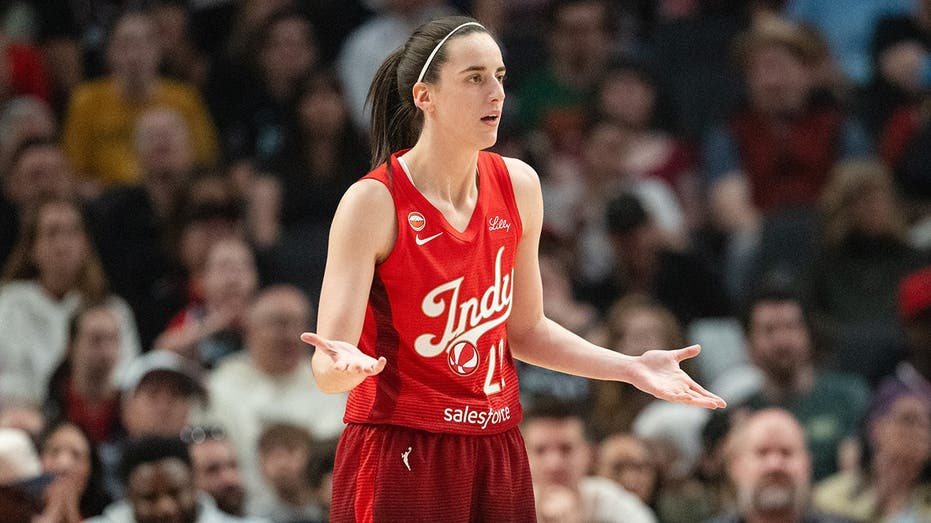
A USA Today columnist has ignited controversy by arguing that Indiana Fever guard Caitlin Clark's on-court behavior, including flopping and berating officials, puts Black and queer WNBA players in danger. Nancy Armour's column, published this week, goes beyond typical sports criticism by linking Clark's actions to racist messages sent to players by unknown individuals, a move that has drawn sharp rebuke from commentators and fans alike.
Armour's piece focuses on two recent plays involving Clark. The first occurred during a game against the Las Vegas Aces, where Clark appeared to exaggerate contact with Chelsea Gray. The second came in a July 15 loss to the Golden State Valkyries, when Clark collided with Kiah Stokes, fell to the floor, and later said she suffered a quad contusion. Armour questioned the severity of the injury, putting the word «contusion» in quotation marks and suggesting the replay showed minimal contact. However, slow-motion footage shows Stokes' knee hitting Clark in the exact area she identified, though the contact did not appear malicious.
The columnist uses these incidents to argue that Clark's reactions create false narratives about opposing players, which in turn incite toxic behavior from fans. Armour points to a direct message sent to Gray after the Aces game, in which a man used a racial slur against her. The sender was later identified and fired from his job at Hilton Grand Vacations. Armour contends that Clark's conduct puts Black and queer players in danger by fueling such attacks. Yet she offers no evidence linking Clark to the sender or suggesting that Clark encouraged any harassment.
Critics have noted inconsistencies in Armour's argument. For example, after DiJonai Carrington poked Clark in the eye during the 2024 playoffs, leaving Clark with a black eye, Armour wrote that Clark needed to «call out the toxic segment of her fan base.» Both players said the contact was unintentional, but Armour framed Carrington as the victim. In contrast, when Alyssa Thomas was suspended for a Flagrant 2 foul after driving her fist into Clark's throat last month, Armour did not write a column about the incident or demand that Thomas consider the consequences of her actions.
The debate highlights broader tensions in the WNBA, where Clark's rise as a white superstar has intersected with discussions about race, sexuality, and fan behavior. Armour's column has been criticized for holding Clark responsible for the actions of strangers, while ignoring similar dynamics involving other players. OutKick's Dan Dakich, who has previously criticized Clark's flopping, said Armour's column goes too far by blaming Clark for messages she did not send and has publicly condemned.
Armour's argument also relies on disputed basketball plays. In the Stokes incident, she claims the contact was minimal, but Clark played the remainder of the game with a contusion. While reasonable people can disagree about whether a foul should have been called, Armour's assertion that Clark fabricated the injury is unsupported by evidence. She is not a medical professional and did not examine Clark, yet she dismisses the injury as exaggerated.
The column has sparked a wider conversation about media responsibility in covering the WNBA. Some argue that Armour is using a legitimate critique of flopping to push a political narrative about race and sexuality. Others say that Clark, as the league's most visible player, has a responsibility to consider how her actions may affect opponents. However, the lack of direct evidence linking Clark to harassment has led many to question the fairness of Armour's attack.
As the WNBA season continues, the incident underscores the challenges of navigating race, gender, and fandom in professional sports. Clark has repeatedly condemned online harassment and called for respectful discourse, but Armour's column suggests that her behavior on the court may still have unintended consequences. Whether this debate leads to changes in how players interact with officials or how media covers the league remains to be seen.

89