5 minSports
U.S. Soccer Team’s Immigrant Roots Shine on America’s 250th Birthday
Nearly half of the U.S. men’s national soccer team players are dual-nationals, embodying the American dream as the nation celebrates its 250th Fourth of July.
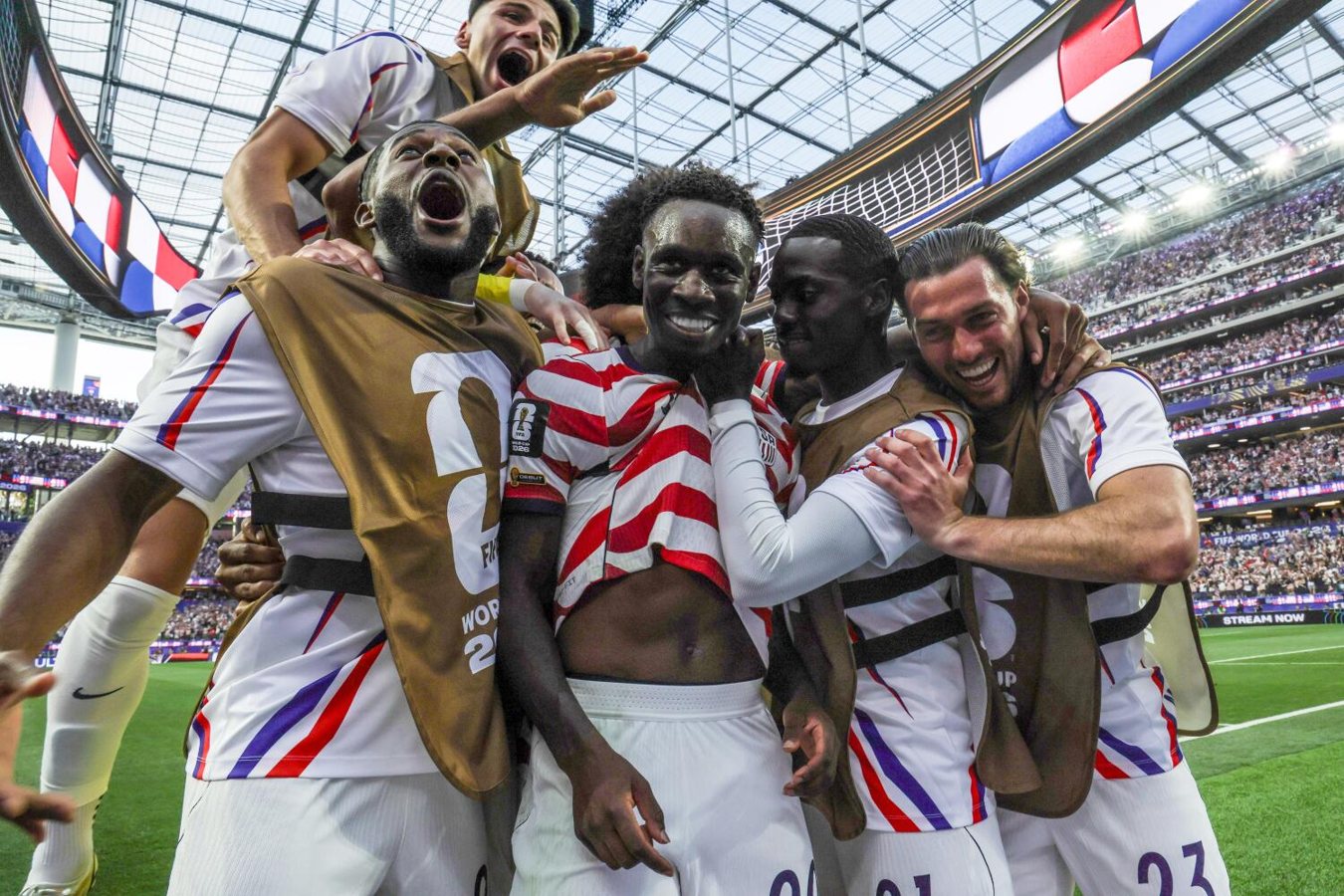
As the United States marks its 250th birthday on the Fourth of July, the U.S. men’s national soccer team is drawing attention for a roster that reflects the nation’s immigrant heritage. Nearly half of the players who led the team to an inspiring run in the World Cup round of 16 are dual-nationals, a fact that resonates deeply on this historic anniversary. The team’s composition, featuring athletes born abroad or with parents from other countries, embodies the founding ideals of a nation built by immigrants, according to observers and historians.
The U.S. squad’s performance in the tournament has captured the imagination of fans, but it is the background of its players that has sparked broader conversations about national identity. Dual-national players, who hold citizenship in the United States and another country, have become a cornerstone of the team’s success. Their presence on the field mirrors the demographic shifts and global connections that define modern America, turning the soccer pitch into a symbol of the country’s evolving story.
This year’s Fourth of July celebrations across the nation have included tributes to the founding era, with historic sites in Philadelphia spotlighting figures like Betsy Ross, who is traditionally credited with sewing the first American flag. The Betsy Ross House, a popular destination, has been helping visitors understand the risks Ross took in 1776, when creating a flag was considered an act of treason under British rule. The flag, with its 13 stars in a circle representing the original colonies, has become a lasting emblem of unity and sacrifice.
The connection between the team and the nation’s founding is not lost on fans and commentators. The U.S. soccer team’s diversity, with players of Mexican, German, Norwegian, and other backgrounds, echoes the contributions of immigrants and ordinary people who helped build the country. As Lisa Acker Moulter, director of the Betsy Ross House, noted, the founding of the United States was not solely the work of wealthy white men but also of women, free and enslaved people, and new immigrants. The soccer team, in this light, becomes a living representation of that inclusive history.
President Donald Trump marked the 250th anniversary with a speech at the Salute to America celebration on the National Mall in Washington, D.C., despite severe thunderstorms that delayed the event. Trump had one of the country’s first flags, dating from 1777, on stage with him, underscoring the historical significance of the day. The White House described the address as historic, and the event concluded with a fireworks display that drew thousands of spectators.
The U.S. soccer team’s journey in the World Cup has been a source of national pride, but the focus on its immigrant roots adds a layer of meaning on this milestone birthday. The team’s success, achieved by players who chose to represent the United States despite ties to other nations, highlights the enduring appeal of the American dream. For many, the sight of dual-national athletes competing under the Stars and Stripes is a powerful reminder of the country’s founding principles.
Historians point out that the American flag itself has evolved over time, from its early use on battlefields and ships to its current status as a widespread symbol of national identity. The flag’s transformation, particularly after the Civil War, mirrors the nation’s growth and the inclusion of new states and peoples. Similarly, the U.S. soccer team’s roster reflects a country that continues to be shaped by immigration and global exchange.
As the Fourth of July celebrations wind down, the story of the U.S. soccer team offers a contemporary narrative that aligns with the holiday’s themes of freedom and opportunity. The players, many of whom could have represented other nations, chose to wear the American jersey, a decision that resonates with the spirit of 1776. Their achievements on the world stage serve as a testament to the enduring power of the ideals that the founders envisioned more than two centuries ago.

80