4 minSports
Team USA Gains Folarin Balogun for Belgium Match, Sparking European Criticism
Team USA's men's soccer team has secured Folarin Balogun for a match against Belgium, drawing criticism from European fans and media, while the U.S. celebrates its Fourth of July weekend and debates beach reading habits.
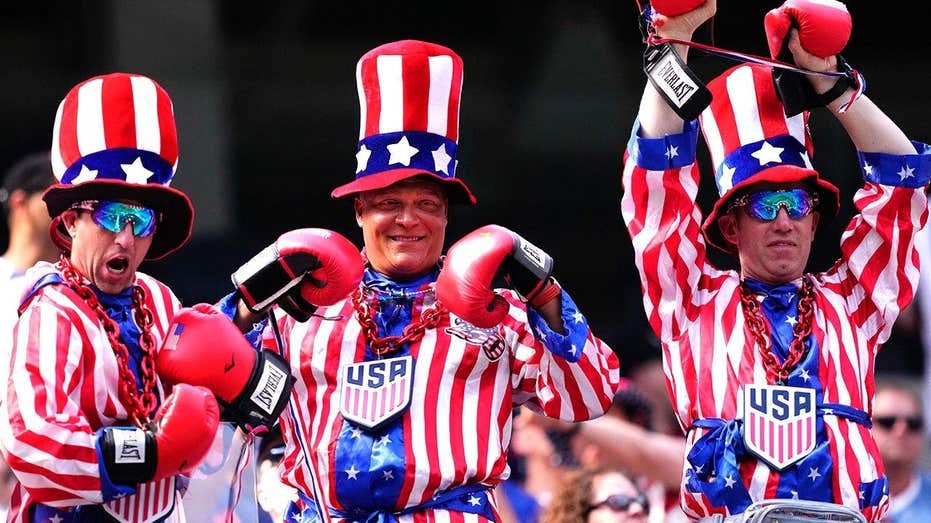
The United States men's national soccer team has received a significant boost with the return of striker Folarin Balogun for tonight's match against Belgium, a development that has sparked criticism from European fans and media outlets. Balogun, who previously represented England at youth levels, switched his international allegiance to the U.S. earlier this year, and his inclusion in the squad has been met with mixed reactions abroad. Some European commentators have argued that any World Cup success for the U.S. is now «tainted» due to Balogun's decision, reflecting ongoing tensions over player eligibility and national team loyalty.
This controversy comes amid a broader shift in American soccer's global standing. Historically, the U.S. men's team was often dismissed by European fans as a minor player in the sport, with critics pointing to the MLS as a less competitive league. However, recent successes, including a strong performance in the 2022 World Cup and the emergence of players like Balogun, have elevated the team's profile. The political dimension has also entered the conversation, with former President Donald Trump's involvement in a red card situation during a previous match drawing attention. Some observers have noted that the U.S. team's progress under Trump's administration has been a point of contention, with Democrats reportedly uncomfortable with the success.
The debate over Balogun's return highlights a broader cultural clash in soccer fandom. European fans, who once mocked American supporters for their «dorky» scarves and chants, are now facing a more competitive U.S. team. This shift has been accompanied by a change in the team's image, moving away from the «rubber band dorks» stereotype to a more serious contender. The success of the men's team has also been framed as a counterpoint to the women's team, led by Megan Rapinoe, whose outspoken political views have divided fans. Some American supporters are now rooting for the men's team as a way to push back against Rapinoe and her critics.
Beyond soccer, the Fourth of July weekend saw Americans celebrating with enthusiasm, as the country marked its independence with fireworks, barbecues, and beach trips. However, the holiday also prompted reflections on beach culture, with some questioning whether people actually read books at the beach or simply use them as social media props. This debate echoes earlier discussions about the authenticity of beach reading, with critics arguing that books are often used as a «social resume flex» rather than for genuine enjoyment. The conversation has been fueled by observations of celebrities like LeBron James, who displayed books in his locker room, sparking skepticism about their actual use.
In the world of golf, enthusiasts are sharing tips and stories from recent trips, with one reader recounting a challenging round at Ballybunion in Ireland, where a 10-handicap player shot 106. The discussion also touched on equipment choices, with one golfer revealing a preference for Cleveland irons and wedges, along with a budget-friendly driver purchased at a golf show. The exchange highlights the camaraderie and shared experiences that define the golf community, even as players grapple with difficult courses and weather conditions.
As the sports calendar enters a quieter period before NFL training camps open later this month, fans are turning to creative content to fill the void. The MLB All-Star break, the Tour de France, and the World Cup provide some entertainment, but many are eagerly awaiting the return of football season. In the meantime, debates over soccer, beach habits, and golf gear continue to dominate conversations, reflecting the diverse interests of American sports fans.

82