5 minSports
Ole Miss Sues Former Players Over Transfer Buyouts Amid College Football Contract Disputes
The University of Mississippi has filed lawsuits against two former football players, Devin Harper and Prince Umanmielen, alleging breach of contract for failing to pay buyout fees after transferring to LSU. The dispute highlights ongoing tensions over revenue-sharing agreements in college athletics.
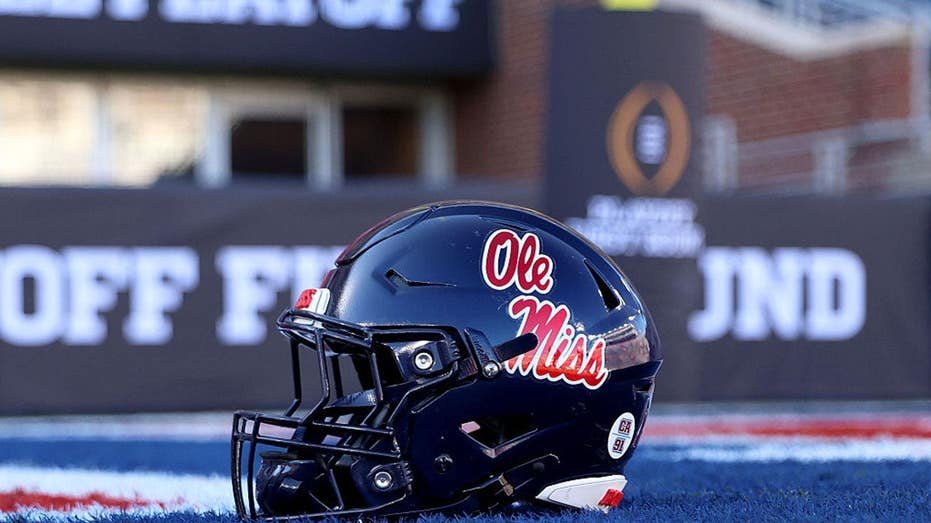
The University of Mississippi has taken legal action against two former football players who transferred to LSU, filing lawsuits this week that accuse Devin Harper and Prince Umanmielen of breaching their revenue-sharing agreements. The two lawsuits, filed in Mississippi civil court, seek a total of approximately $950,000 in buyout fees that the university claims the players owe after leaving Oxford. The move escalates a simmering contractual dispute and adds a new layer of tension to the upcoming Ole Miss versus LSU game scheduled for September 19.
According to court documents cited in the reports, both Harper and Umanmielen signed revenue-sharing agreements that included a provision requiring them to compensate the university with a predetermined amount if they departed before fulfilling their commitment. The players participated in the Rebels' College Football Playoff run last season, which ended with a loss to Miami in the Fiesta Bowl, before entering the transfer portal and eventually enrolling at LSU to play under former Ole Miss head coach Lane Kiffin. The university stated that it had tried to settle the dispute outside of court but felt it had no other choice but to seek judicial remedy.
«The University of Mississippi values its student-athletes and is committed to honoring all obligations made to them. In return, the university expects that same commitment from its student-athletes and their representatives in upholding their contracts,» Ole Miss said in a statement after filing suit. «Before transferring to another institution, student-athletes Devin Harper and Princewill Umanmielen signed revenue sharing agreements that included a provision requiring them to compensate the university with a predetermined amount if they departed before fulfilling their commitment. The University of Mississippi has a responsibility to enforce its contractual terms, and this position is consistent with the actions of other institutions in the current landscape of college athletics.»
The Rebels claim that they reached out to LSU on multiple occasions regarding the financial stipulations of the two players' departure from Oxford. According to court records, LSU denied the request for payment by noting that the school was not obligated to pay the fees associated with the players. In reality, the buyout responsibility falls on the athletes themselves, or on their agents to negotiate if they wish to avoid litigation. Ole Miss officials reportedly attempted to handle the situation without lawsuits, but the players failed to pay the owed amounts.
The context of the dispute is further complicated by the fact that Lane Kiffin, who previously coached Ole Miss, left for LSU and took several assistant coaches with him. In those cases, the Rebels successfully received buyouts for a number of those coaches, including offensive coordinator Charlie Weis Jr. However, dealing with players compared to coaches involves a different set of rules, especially with the introduction of revenue-share and NIL agreements that athletes now sign. The university's decision to sue represents a willingness to enforce contractual terms in an era of increased player mobility.
Such legal actions are not unprecedented in college athletics. Similar cases have emerged when players attempt to avoid paying buyouts to their previous schools. For example, the University of Cincinnati sued former quarterback Brendan Sorsby after he transferred to Texas Tech. In many instances, the buyout fee is either paid by the new school or negotiated down by the player and their representatives. However, in this case, Ole Miss alleges that LSU explicitly refused to cover the payments, leaving the athletes personally liable.
The lawsuits have injected additional bitterness into what was already a highly anticipated SEC showdown. The game between Ole Miss and LSU now carries not only the usual conference rivalry bragging rights but also a legal subplot that could affect both programs' reputations. As two Mississippi judges prepare to hear the cases, the broader implications for college football contract enforcement remain unclear. What is certain is that the Rebels have chosen to send a message: they expect their contracts to be honored, even if it means going to court.

81