5 minSports
Newsom’s office says Supreme Court ruling on trans athletes will not affect California law
California Governor Gavin Newsom’s office responded to the U.S. Supreme Court’s 6-3 ruling upholding state laws that protect women’s sports from biological male trans athletes, stating the decision does not change California’s existing policies. The state remains one of 23 without such protective laws and has faced ongoing controversy over trans athlete participation, including recent protests and a Department of Justice lawsuit.
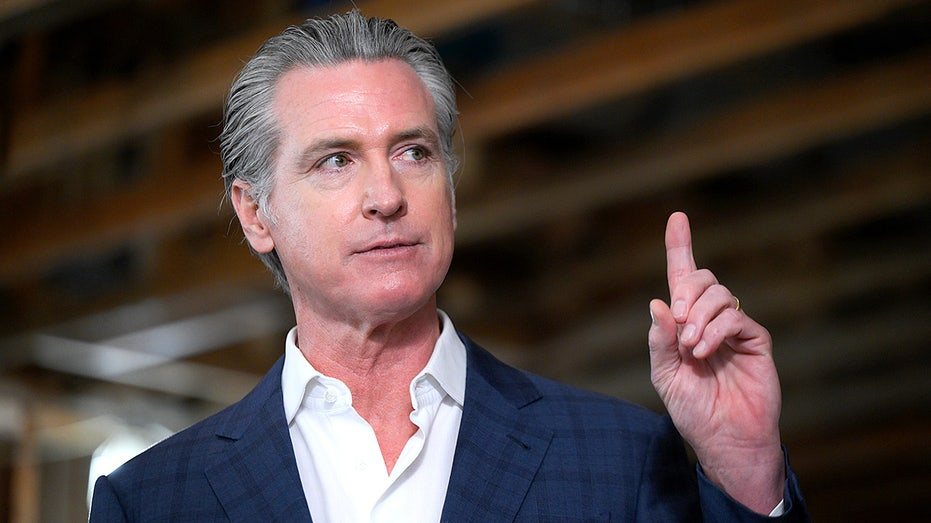
California Governor Gavin Newsom’s office has responded to the U.S. Supreme Court’s landmark ruling on Tuesday that upheld state laws protecting women’s sports from biological male trans athletes, asserting that the decision will not alter California’s current policies. The court ruled 6-3 in favor of states that have enacted laws to restrict trans athlete participation in girls’ and women’s sports, a decision that has reignited debate across the country. However, California, one of 23 states without such protective legislation, has maintained a law since 2013 that allows trans students to compete in accordance with their gender identity.
A spokesperson for Newsom’s office told Fox News Digital that the Supreme Court’s decision does not affect California’s laws, adding that the state remains committed to ensuring every Californian, including the LGBTQ community, is met with dignity and respect. The office also provided a bulleted list highlighting what it described as Newsom’s strong record on transgender rights, including making it easier to update gender markers on official documents and appointing multiple trans judges. The list noted that California is one of 22 states with laws requiring transgender students to participate in sports consistent with their gender identity, a policy enacted under Assembly Bill 1266 and signed into law by former Governor Jerry Brown in 2013.
The response comes amid ongoing controversy in California over trans athlete participation in girls’ sports, which has drawn national attention. In May, prominent trans athlete AB Hernandez competed in girls’ track and field events, winning two state titles for the second consecutive year. The competition sparked protests from activists with the group “Save Girls Sports,” led by former NCAA soccer player Sophia Lorey, who held a press conference near the event grounds. Newsom’s office had previously addressed the protests in a statement that emphasized fairness, dignity, and respect, while rejecting what it called the right wing’s cynical attempt to weaponize the debate. The statement drew criticism from activists across the country.
The controversy escalated further when the California Interscholastic Federation re-implemented a pilot program that moved every girl who finished behind Hernandez up one spot on the podium, creating widely circulated images of Hernandez sharing the podium with female second-place finishers. The U.S. Department of Justice, under President Donald Trump, has since filed Title IX lawsuits against education agencies in California over policies that allow trans athletes in girls’ high school sports. The lawsuit was launched in July after Hernandez won two state finals in triple jump and high jump and placed second in long jump at the previous year’s championships.
Newsom himself has expressed mixed views on the issue. In March 2025, during an episode of his podcast with the late Charlie Kirk, he described males competing in girls’ sports as “deeply unfair.” In a July 2025 interview on the “Shawn Ryan Show,” he said he has been “amazingly frustrated” by the situation and recounted encounters with parents at his children’s soccer games who expressed anger over state policies. “Every parent coming up says, ‘It’s so unfair.’ Like ‘Whoa,’ like everywhere I went, progressively-minded people, not bigots, that are champions of trans policy like I am, but didn’t like the sports. They were like ‘come on man, you got to figure this out,’” Newsom said. He added that his allies in the LGBTQ caucus were “furious” with him after his initial comments and recalled a conversation with President Trump about the issue, noting that Trump is “having the time of his life” and has threatened legal action against California.
The Supreme Court ruling and California’s steadfast position highlight a deepening divide in the United States over trans athlete participation in sports. While some states have moved to restrict such participation, California remains a focal point of legal and cultural battles, with the Department of Justice lawsuit and ongoing protests ensuring the issue remains in the national spotlight. Newsom’s office has not indicated any plans to change state law, despite the growing pressure from both sides of the debate.

85