4 minSports
Geno Auriemma Downplays Caitlin Clark’s Impact on WNBA Growth
UConn women's basketball coach Geno Auriemma sparked controversy by comparing Caitlin Clark's influence on the WNBA unfavorably to Tiger Woods' impact on golf, drawing sharp criticism from analysts who cite record viewership and financial growth driven by Clark's arrival.
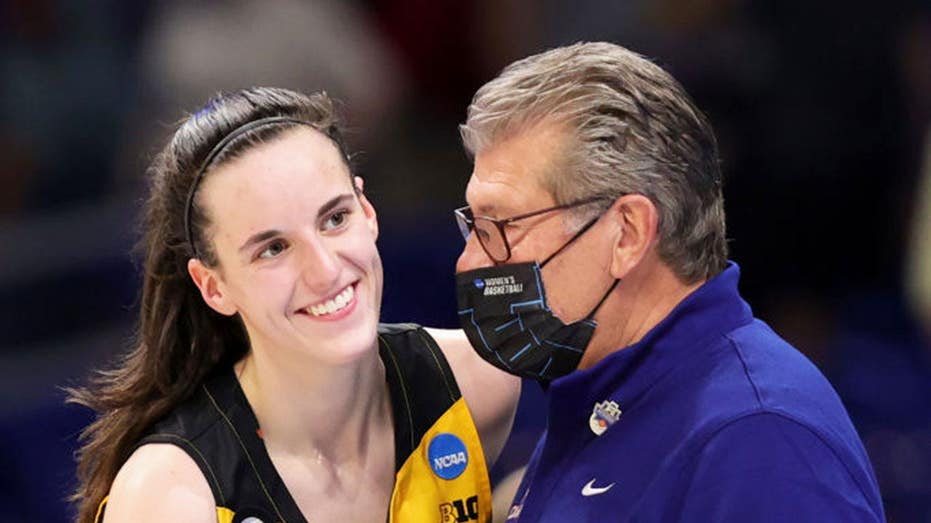
UConn women's basketball coach Geno Auriemma has ignited a fresh wave of debate over Caitlin Clark's role in the WNBA, dismissing comparisons between the Indiana Fever star and golf legend Tiger Woods as misguided. In an interview on the «Sports Media Podcast with Richard Deitsch,» Auriemma argued that Clark's impact on the league has been overstated, suggesting that the narrative around her was created by «delusional» fans rather than her own achievements. The comments come amid ongoing tensions in the league, including a recent incident where Connecticut Sun forward Alyssa Thomas shoved Clark to the floor, sparking widespread discussion about player safety and online harassment.
Auriemma, a Hall of Fame coach with 11 national championships, stated that Clark's arrival did not transform the WNBA in the same way Woods transformed the PGA Tour. «This was not something created by her,» Auriemma said. «It was created about her by all the people in America who are delusional that think one player who's not Wemby is going to come in and transform the league.» He added that while Clark brought increased attention and valuation, she has not matched Woods' record of winning every tournament, a standard he argued is necessary for such a comparison.
The remarks have drawn sharp criticism from sports commentators and analysts, who point to overwhelming evidence of Clark's transformative effect on the league. Before Clark entered the WNBA as a rookie in 2024, only one game in 15 years had drawn over 1 million viewers—a 2008 matchup between the Los Angeles Sparks and Phoenix Mercury. Since Clark's debut, at least 59 games have surpassed that threshold, including 21 Indiana Fever games in her first season alone. The league's collective bargaining agreement, renegotiated after Clark's arrival, raised team salary caps by nearly $6 million, increased maximum salaries from roughly $249,000 to $1.4 million, and quadrupled the average player salary. Charter flights, previously unavailable for all teams, are now standard across the league.
Critics argue that Auriemma's dismissal of Clark's financial impact ignores the league's pre-2024 struggles. The WNBA was not profitable before Clark, relying on subsidies from the NBA to stay afloat. Her presence drove record attendance, merchandise sales, and television ratings, making the league financially viable for the first time in its history. «Caitlin Clark is 100% the Tiger Woods of the WNBA,» wrote one commentator, noting that Woods made golf cool again but did not rescue a dying sport, whereas Clark revived a league that was bleeding money.
Auriemma also downplayed the physicality Clark has faced, including the recent incident with Thomas, which resulted in a flagrant foul but no suspension. «Not every foul is a good foul, not every foul is a bad foul, but there are fouls that are flagrant,» he said. «But that's all they are. They are not a referendum on America, which is what the whole goddamn thing has become.» This stance has been met with pushback from those who see a pattern of aggression toward Clark, including multiple hard fouls and confrontations that have drawn national attention.
The debate highlights broader tensions within the WNBA, where Clark's rapid rise has reshaped the league's economics and visibility but also sparked resentment among some players and coaches. Clark has not played since the Thomas incident, though she is expected to return soon against the Los Angeles Sparks. Her absence has not diminished the discourse, which continues to polarize fans, analysts, and insiders. Auriemma's comments, while controversial, reflect a persistent skepticism about whether one player can truly redefine a team sport—a question that Clark's career will continue to answer.

90