5 minSports
Former NFL Player Opposes Ted Cruz’s College Sports Reform Bill
A former NFL player argues against the Protect College Sports Act, warning that federal oversight could harm athlete opportunities and that reform should remain local.
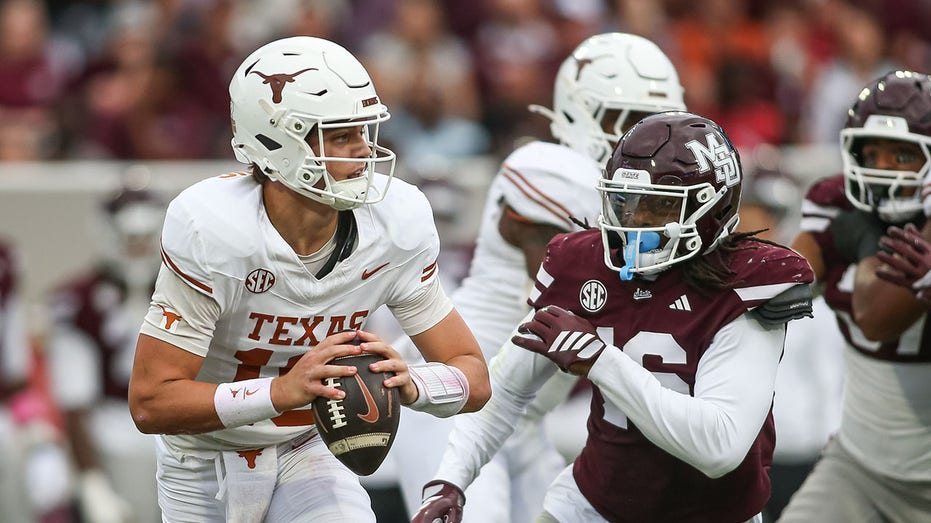
A former NFL and Arena Football player who now represents college athletes in name, image and likeness (NIL) negotiations is speaking out against a federal bill that would centralize oversight of college sports. The Protect College Sports Act, introduced by Texas Republican Sen. Ted Cruz, aims to bring order to what many describe as the Wild West of college athletics. But the former player argues that the legislation could undermine the very opportunities that athletes have only recently gained to build wealth, gain experience and control their futures.
Having spent years helping hundreds of high school and college athletes secure NIL and professional contracts, the former player says he has seen firsthand how these deals create life-changing opportunities. He recalls one mother’s relief and excitement when her son signed his first meaningful NIL agreement. He has watched players use NIL income to ease financial pressure on their families and has seen young men who once thought football would end with graduation begin to think differently about their futures as they learn to build brands, manage money and create opportunities beyond the game.
The Protect College Sports Act would create a federal regulatory framework for college athletics, including NIL rules, the transfer portal and other issues that have been shaped by a patchwork of state laws and court rulings. Supporters argue that Washington must step in to bring stability and uniformity. But the former player contends that college sports grew into a great American institution not because of federal planning but because schools, conferences, businesses and communities adapted to change and created value. He warns that moving decision-making away from those closest to athletes — coaches, schools and local communities — could harm the athletes themselves.
The former player, who also helped operate an NIL collective, says he has sat in living rooms with families to help them navigate cumbersome NIL rules that seem to change by the month. He notes that the transfer portal does not serve athletes or fans well and that litigation has created uncertainty for schools and players alike. While he acknowledges that college sports need reform, he insists that the rules should be clearer and the system more stable without handing more authority to Washington bureaucrats who are far removed from the realities facing athletes and the communities that support them.
Drawing on his own experience as a player, the former NFL athlete says that when decisions move farther from the locker room, the people who pay the price are usually the athletes themselves. He points to the different opportunities and challenges faced by an offensive tackle at Kentucky compared with a receiver at Texas Tech or a high school prospect navigating the recruiting process. These decisions, he argues, should not be made by federal officials who lack direct knowledge of the athletes’ circumstances.
The debate over federal involvement in college sports comes amid broader discussions about the future of the NCAA and the role of NIL compensation. Some lawmakers and advocates argue that a national standard is needed to prevent a race to the bottom among states and to protect athletes from exploitation. Others, like the former player, believe that reform should strengthen the people and institutions that built college sports — players, coaches, schools and communities — rather than centralize power in Washington.
The former player concludes that the future of college athletics should continue to be built under Friday night lights and on Saturday afternoons, by those who made these sports great in the first place. He emphasizes that athletes deserve reform that opens more doors, not fewer, and that the voices of families and communities should remain central to the process.

83