4 minSports
College football returns after offseason of NCAA lawsuits and NIL drama
College football is nearly back after an offseason of NCAA lawsuits, NIL drama, Playoff expansion and congressional fights over the future of the sport.
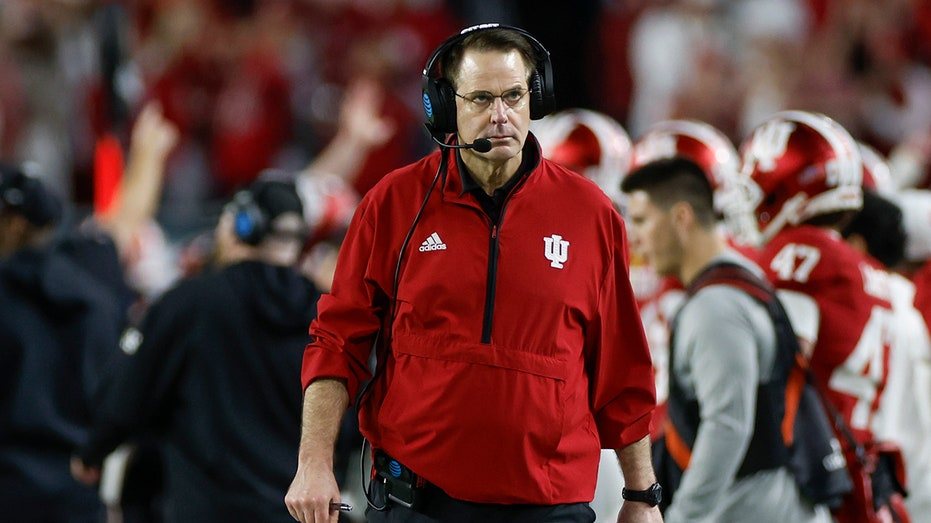
College football is back. Teams across the country have opened fall camp, and the opening games of the season are about three and a half weeks away after an offseason consumed by NCAA lawsuits, NIL debates and congressional maneuvering.
The buildup has been unusually noisy, even by the standards of college football. The College Football Playoff is expanding, lawmakers have pushed the Protect College Sports Act toward a Senate vote, and athletes have gone to court over the five-for-five eligibility rule, which gives players five years to play five seasons in every sport. Backers of the legislation have framed it as a way to protect college sports for future generations. The NCAA, meanwhile, has spent heavily to defend its decisions in courtrooms around the country.
For most fans, however, the focus is simpler. Conversations at media days about the future of college athletics and how much money programs must spend to compete for a national championship have grown old. The people buying tickets, parking passes, hotel rooms and streaming subscriptions want to sit in the stands, or on the couch, and cheer for their team.
Off-field noise has defined the sport since name, image and likeness deals took hold. One of the defining moments of the era came when Nick Saban and Jimbo Fisher traded barbs over roster spending at Texas A&M. Since then, offseason discussion has often shifted from the field to the lawyers representing players in disputes with the NCAA. That reality is not expected to disappear, no matter how Congress votes.
None of that has stopped the usual preseason storylines from taking shape. Brendan Sorsby, Lane Kiffin, the Texas Tech athletic department, Ole Miss and even Bill Belichick all supplied offseason drama. In Austin, Texas fans are wondering whether Steve Sarkisian finally has the Longhorns in position to play for a national championship. In Southern California, USC fans are already preparing to hold a picket line if Lincoln Riley cannot get the Trojans back into the College Football Playoff conversation.
The conference debate has also carried through the summer. Is the Big Ten or the SEC the best league in college football? At Big Ten media days in Chicago, Indiana coach Curt Cignetti added his voice to that argument from the podium. The ACC has its own questions: Can an ACC team make another run at the Playoff title game, and could Miami be that team? Is this the last season for Dabo Swinney at Clemson? How many coaching vacancies will the ACC have once the season ends?
There is real pressure on programs to deliver quickly. If a team is not in the College Football Playoff conversation by early November, fans will be ready to ask how much money was spent on a roster that came up short. That pressure is what makes this the most nerve-wracking part of the year, the «expectation period» when everyone still has a chance. Local radio stations are already getting their postgame shows ready for the calls that often sound like therapy sessions after a tough loss.
The legal and legislative fights are not going away. College athletics remains tangled in arguments over what the sport will look like in two or three years. But fall camp is underway, and the sight of a favorite team running out of the locker room is nearly here. After months of lawsuits and political battles, that is the moment fans have been waiting for.