5 minSports
CNN’s Abby Phillip claims GOP lawmakers back Caitlin Clark exclusively because she is White
CNN’s Abby Phillip and former ESPN broadcaster Cari Champion argued that Republican lawmakers’ letter defending WNBA star Caitlin Clark is racially motivated, sparking debate over race, politics, and player safety in women’s basketball.
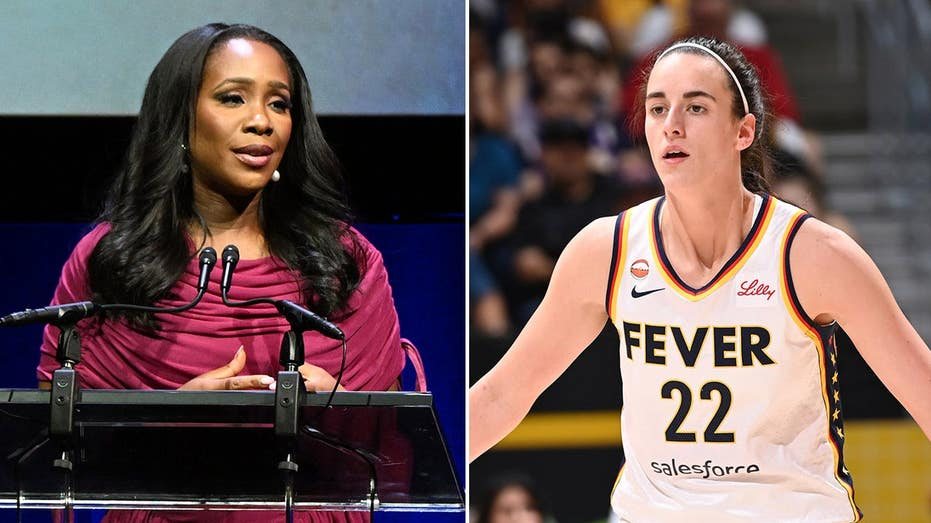
CNN’s Abby Phillip and former ESPN broadcaster Cari Champion have sparked controversy by claiming that Republican lawmakers who wrote a letter defending WNBA star Caitlin Clark did so exclusively because of her race. The comments came during an episode of CNN’s «Table for Five,» where the two discussed a letter sent by members of Congress to WNBA Commissioner Cathy Engelbert demanding accountability over Clark’s treatment on the court.
The letter, signed by several lawmakers, expressed concern over what it described as «repeated acts of unnecessary physical hostility and violence» against Clark, who has been the target of hard fouls and physical play since entering the league. The lawmakers urged Engelbert to ensure a safe and professional environment for all players, free from discrimination or retaliation, and suggested that federal civil rights laws could be implicated if such conduct is found to be racially motivated.
Champion, a former ESPN broadcaster, called the letter «really, really disrespectful,» arguing that the treatment Clark has received is not new to the WNBA. «This is from people who one haven’t watched sports, obviously, have never watched women’s basketball. They’re probably more so a fan of Caitlin Clark than the actual sport itself, or a fan of the Indiana Fever,» she said. «What has been happening to Caitlin has been happening since the inception of the WNBA. These women play tough. They play hard. It’s sports.»
Champion also criticized the lawmakers for suggesting the treatment could be racially motivated, saying it «leaves out a long history of women who supported this league and started this league who were Black.» She noted that 70% of the league’s players are Black and LGBTQIA, and questioned why the league is now being asked to investigate conduct that has long been part of the game. «Can you imagine going to work every single day, trying to do your job, but fear that you’re going to be attacked and get death threats?» she added.
Phillip then chimed in, asserting that the lawmakers’ support for Clark is racially driven. «The problem with Caitlin Clark is that she is a superstar. She’s great at what she does. However, the attention that she’s getting from Republicans and from government seems to be exclusively because she is White,» she said. «That’s the only reason,» Champion replied.
The lawmakers’ letter, however, framed the issue as one of player safety and league responsibility. «As Commissioner, you have an obligation to ensure that every player competes in a safe and professional environment, both on and off the court, free from violence, discrimination, or retaliation,» the letter stated. It concluded by urging the league to take stronger action, noting that «the league has an extraordinary opportunity to inspire the next generation of female athletes to pursue athletics, but that opportunity is undermined when its brightest stars are not adequately protected.»
Clark herself has recently called on the WNBA to do a better job of protecting its players, both on and off the court. Her comments have added fuel to an ongoing debate about the physicality of the game and the treatment of high-profile players. The WNBA has not publicly responded to the lawmakers’ letter, but the league has faced increasing scrutiny over how it handles player safety and conduct.
The controversy highlights the intersection of race, politics, and sports in America. Critics of Phillip and Champion’s remarks argue that they dismiss legitimate concerns about player safety and reduce a complex issue to racial politics. Supporters, however, contend that the attention Clark receives is disproportionate compared to Black players who have faced similar treatment for years without congressional intervention.
The debate is likely to continue as the WNBA season progresses and as Clark, a rookie phenom who has drawn record viewership and attendance, continues to navigate the physical demands of professional basketball. The league, meanwhile, faces pressure to address both player safety and the broader cultural dynamics at play.

69