5 minSociety
Walmart Heirs Commit $100 Million to Cut U.S. Maternal Deaths in Half
Olivia and Tom Walton are funding a five-year campaign to reduce maternal mortality, with state-matching grants and bipartisan policy support.
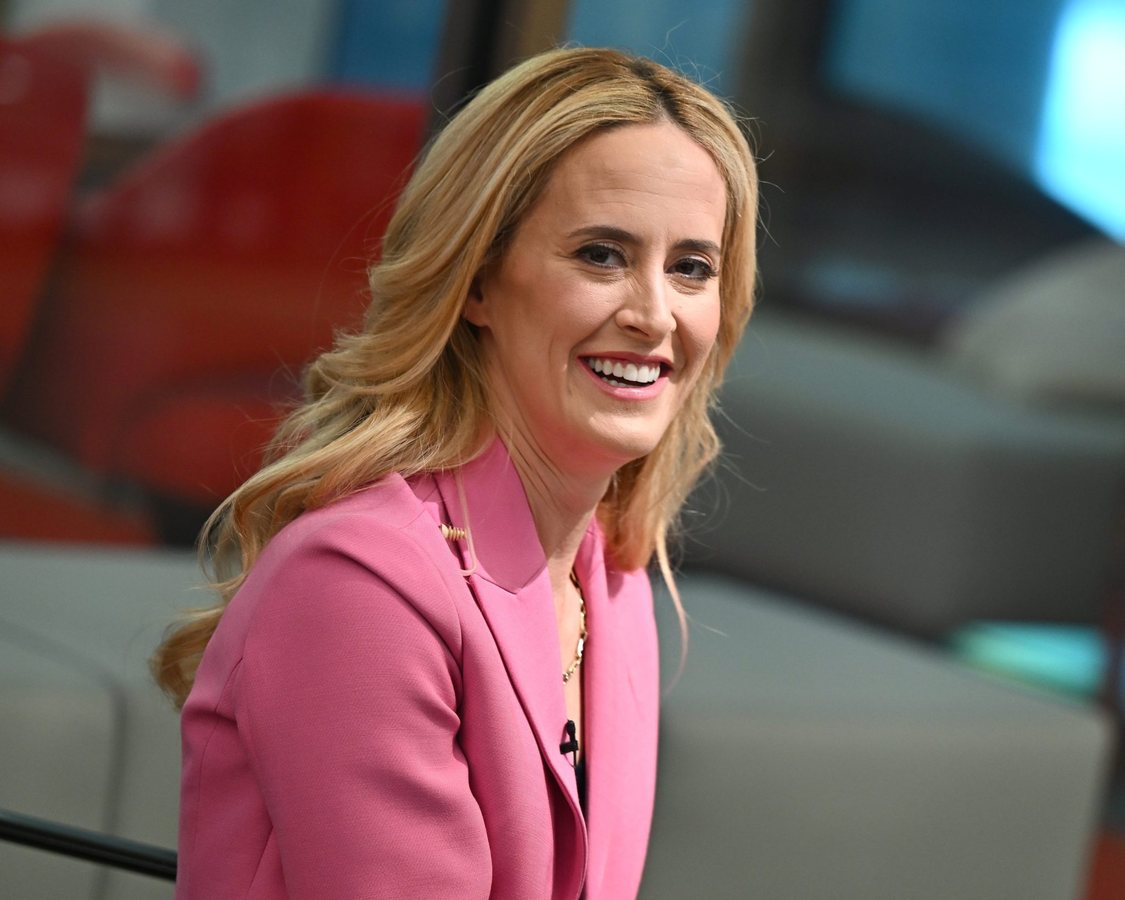
Olivia and Tom Walton, heirs to the Walmart fortune, are committing an initial $100 million over five years to halve the U.S. maternal mortality rate, their organization Healthy Moms, Healthy Babies America announced Thursday. The investment will seed state-matching grants, partnerships, and infrastructure, with the goal of drawing additional public and private capital.
The U.S. has one of the highest maternal mortality rates among wealthy nations. In 2023, the rate stood at nearly 19 deaths per 100,000 live births, and 669 women died of maternal causes, according to the Centers for Disease Control and Prevention. The risk is not evenly distributed: for Black women, the rate was 50.3 deaths per 100,000 live births, more than three times the rate for white women. Two-thirds of maternal deaths occur in the year after birth, and 40% of mothers do not receive follow-up care. Rural mothers face worse odds as hospitals close obstetric units.
Olivia Walton founded HMHBA in May through the Walton family’s Heartland Forward, a think tank focused on the U.S. Heartland. She made the mission personal. «It was more dangerous for me to give birth to my children than it was for my mother to give birth to me in the 1980s,» she said in a statement. «That is inexcusable—and it is fixable.» She argues the solutions already exist, including earlier prenatal care, extended postpartum support beyond six weeks, and care built around family needs. «Nearly 90 percent of maternal deaths are preventable,» she said. «We know what works, and states across the country are already proving it.»
HMHBA Executive Director Robin Reck said the U.S. spends more on maternal health than any other country but achieves worse outcomes. «Eighty-seven percent of these deaths are preventable, and 65% of them happen after the baby is born,» she said. «That is unacceptable. And it is un-American.»
The financial toll is significant. Poor health outcomes cost the U.S. economy an estimated $165 billion in 2020, according to a Heartland Forward study. Preventing half of those avoidable outcomes would save nearly $80 billion per year. A healthy full-term delivery costs about $6,400, while an extreme preterm birth can cost $238,000. March of Dimes found first-year medical costs are roughly four times higher for preterm infants than for full-term ones.
The campaign is betting maternal health can still draw bipartisan support. A July poll of more than 1,000 registered and likely voters found 86% say maternal health needs improvement, and 79% would vote for a candidate who champions reforms. All 15 policy proposals tested drew majority support from Republicans, Democrats, and independents. HMHBA is backing two bipartisan bills. The Rural Obstetrics Readiness Act, sponsored by Sens. Maggie Hassan (D-N.H.), Susan Collins (R-Maine), Katie Britt (R-Ala.), and Tina Smith (D-Minn.), would fund training, equipment, and teleconsultation so rural facilities without obstetricians can handle delivery emergencies. It cleared the Senate health committee in July and awaits a floor vote. The NIH IMPROVE Act, led by Britt and Sen. Cory Booker (D-N.J.), would authorize seven years of funding for the National Institutes of Health’s maternal-health research initiative.
Tom Walton is the grandson of Walmart founder Sam Walton. The family’s roughly 44% stake in the company is worth about $440 billion. Most family giving flows through the Walton Family Foundation, which awarded nearly $550 million in grants in 2024. Tom sits on its four-member board, while Olivia focuses on the arts and women’s causes. She succeeded Alice Walton as chair of the Crystal Bridges Museum of American Art and founded Ingeborg Investments, which funds female startup founders. In 2021, she and Tom helped seed a $1 million fund supporting LGBTQ+ groups in Arkansas.
«America should be the safest place in the world to have a baby,» Olivia Walton said. «We have the evidence and we have the solutions. Now we need the urgency and investment to make them available to every mom, across the country.»