6 minSociety
Sarah Josepha Hale campaigned for decades to make Thanksgiving a national holiday
Thanksgiving as Americans know it was largely shaped by magazine editor Sarah Josepha Hale, who pressed five presidents before Abraham Lincoln made it a national holiday during the Civil War.
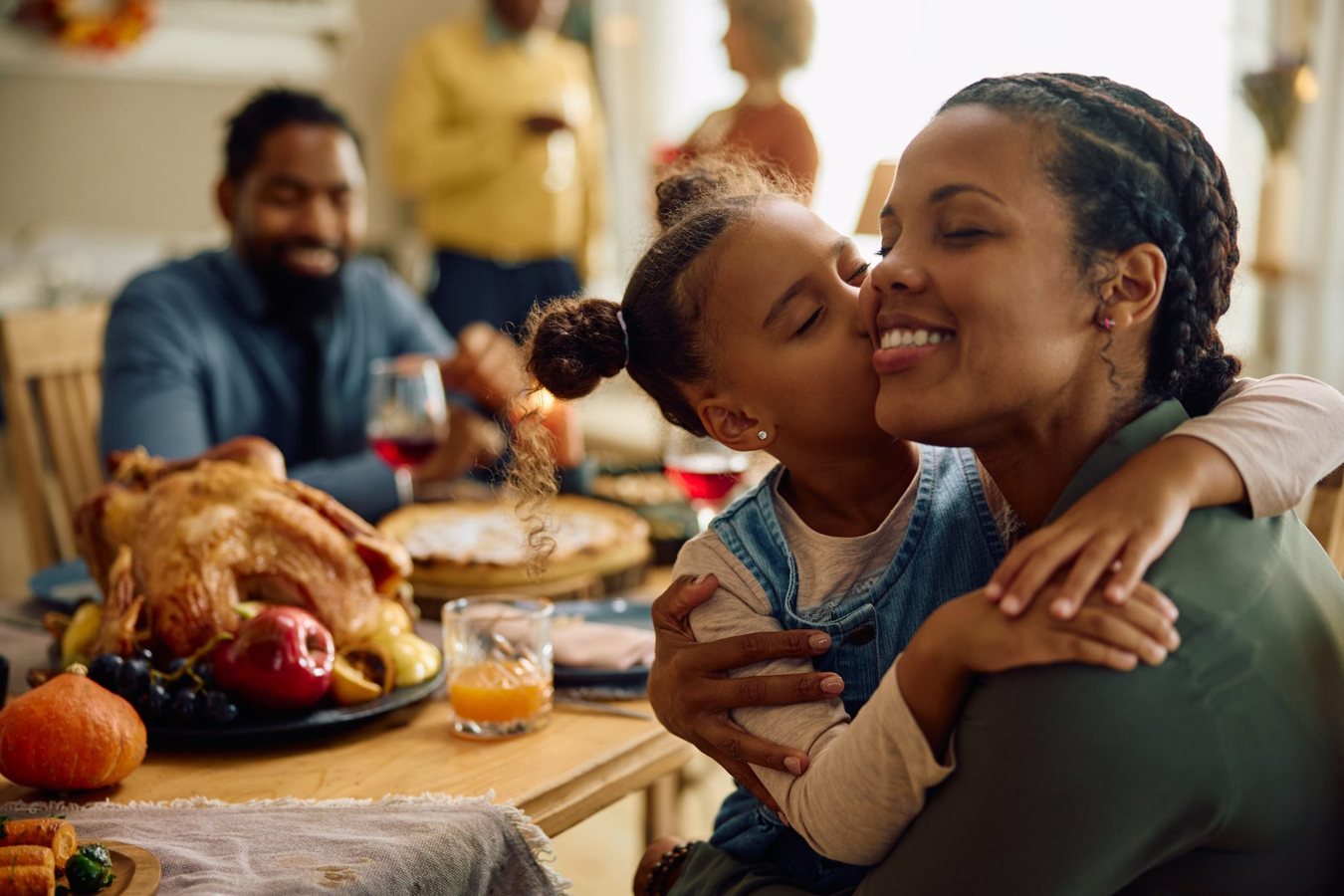
The Thanksgiving Americans celebrate today bears little resemblance to the first harvest feast in 1621, and much of its familiar shape came from a single magazine editor. Sarah Josepha Hale, born in New Hampshire in 1788, spent decades campaigning for a national day of thanksgiving and lobbied five presidents before Abraham Lincoln finally agreed during the Civil War.
The only surviving eyewitness account of the 1621 gathering says little about the menu. A slightly later account of the harvest mentions seasonal foods such as venison, corn and turkeys. The straight line often drawn from that event to modern Thanksgiving is, as the source material puts it, largely an American myth, one constructed in the 19th century to unify a young nation and later used to help assimilate new immigrants.
Before the modern holiday, New England's Puritans and Pilgrims regularly held fasts and feasts. Fast days were used to atone for sins, while feast days were occasions to give thanks to God. Some colonial and later state governors declared autumn days of thanksgiving, but they did not coordinate with one another, so there was no shared national date.
Hale's influence came through her work at Godey's Lady's Book, which she began editing in the 1830s. The magazine had the largest circulation of any American publication before the Civil War. It carried clothing patterns, recipes, household management advice, essays on educating children and fiction. Hale believed women were the heart of the home and could help shape the nation's identity through the family. Historian Elizabeth Pleck notes that Hale began publishing editorials calling for a national Thanksgiving, along with instructions for how the day might be observed.
The magazine did more than advocate; it taught readers how to celebrate. Its pages offered recipes for seasonal dishes such as turkey and cranberry sauce. Pies were central to the table, often decorated with elaborate pastry, including designs of the Mayflower or a cornucopia. The full holiday spread also celebrated what the magazine framed as women's work, at a time when industrialization was moving economic life toward factories and paid work, making unpaid domestic labor less visible. Hale's vision also stressed returning home to loved ones, as factory jobs were drawing many workers away from their families.
Hale repeatedly petitioned presidents to declare Thanksgiving a national holiday, and Lincoln was the one who acted. He hoped that a national holiday emphasizing the country's origin story could help unite a nation at war. Northern women sent pies to soldiers' families and turkeys to men at the front. Pleck also notes that the abolitionist Sojourner Truth went door to door collecting funds to provide Thanksgiving dinners for African American troops.
Adoption was gradual. Catholics were slow to embrace a holiday rooted in Protestant fast and feast traditions. The South was also late to adopt it, partly because of its association with Lincoln and the war. On the frontier, where single men dominated the population, the family-centered holiday was less commonly observed. Wherever it took hold, however, Godey's Lady's Book shaped how Americans marked the day, connecting the holiday menu to the Pilgrims' courage and offering a model of resilience to readers facing war, industrialization, urban growth and westward expansion.
As the holiday spread, it also became a tool of assimilation. Political cartoonist Thomas Nast's image Uncle Sam's Thanksgiving Dinner, published in Harper's Weekly in 1869, showed Americans of many races and ethnicities in national dress seated as equals at one table beneath portraits of presidents, with Uncle Sam carving a turkey. The picture suggested immigrants and formerly enslaved people could be incorporated into the nation. It appeared a year after the 14th Amendment granted citizenship to anyone born in the United States and four years after the 13th Amendment formally ended slavery.
A different cartoon with the same title, drawn by G.F. Keller for the San Francisco Wasp eight years later, presented a starkly opposite message. Keller showed a disheveled, entirely male group of diners each eating their own national food, or offensive stereotypes of it, implying immigrants could never truly become American. Many Americans nonetheless believed newcomers could assimilate, though they expected them to abandon their Old World ways and adopt the customs of their new country.
In the early 20th century, public schools taught the Thanksgiving story and sent children home with recipe cards so parents could cook the dishes Hale had popularized decades earlier. Schools presented the Pilgrims as the spiritual, if not literal, ancestors of all Americans, the first immigrants. The source material notes that these lessons did not dwell on how the Pilgrims' own story involved displacing Indigenous peoples, a gap that helps explain why the holiday's origin myth has endured while its history has been reexamined.
Source: fortune.com
7