4 minSociety
Richest families outspend poorest quarter 13 to 1 per child
A 2026 study of ten national U.S. surveys finds the richest 10 percent of families spend more than thirteen times as much per child on enrichment as the poorest quarter, a gap that has grown sharply since the early 1980s.
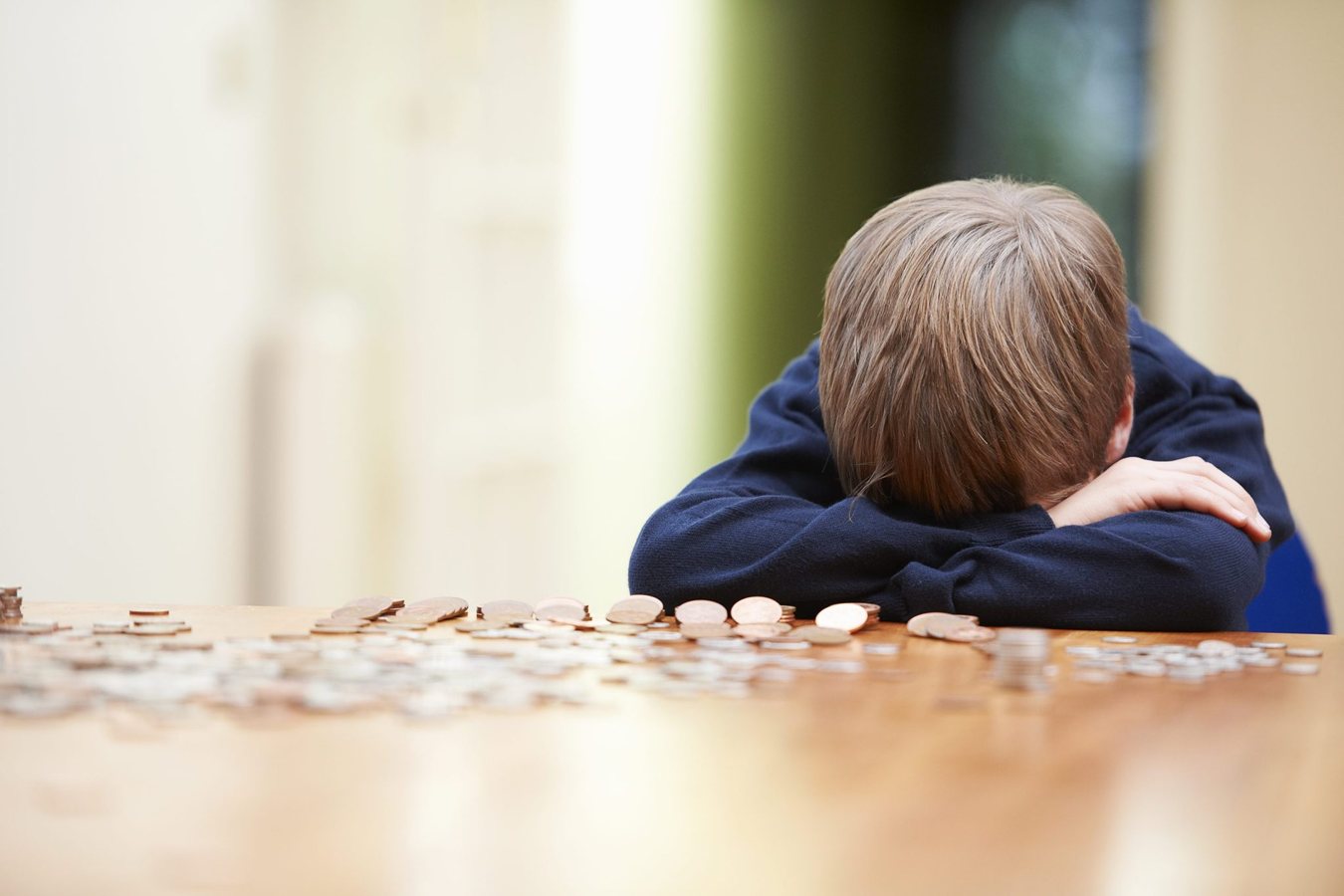
The wealthiest American families now spend more than thirteen times as much per child on enrichment as the poorest quarter of families, according to a new study that tracks how money and time are invested in children. In 2024, the richest 10 percent spent at that ratio on activities, tutoring, childcare and other enrichment, up from roughly three to one in the early 1980s.
The research was led by David Blazar of the University of Maryland and colleagues. It combined ten nationally representative government surveys and tracked 77 kinds of child investments, including teachers, tutoring, housing and childcare. The researchers valued parents' time at the average U.S. hourly wage, so that hours spent caring for and teaching children were counted alongside cash spending. Under that method, the average American child receives about $502,000 in investment from birth to age 18.
The gap is widest before children start school. Before age five, the poorest quarter of families receives about $44,000 less in investment than the richest quarter, a difference the study measures at 24 percent. Once school begins, the gap narrows by half, to about 12 percent. The researchers found a similar pattern along racial lines: the Black-white investment gap is 20 percent in the early years and 7 percent after kindergarten starts.
Public schools help offset some of the disparity, but not evenly. Children in the poorest families receive 72 percent more tutoring and 68 percent more special education than their peers, and Black children receive more than twice the tutoring of white children. Those figures reflect the scale of support schools provide to students who need it most, and they stand in contrast to the enrichment advantages that wealthier families can purchase outside the classroom.
Schools also received a major infusion of federal money during the pandemic, about $190 billion in relief funding. By the 2022-23 school year, more than a third of public schools offered high-dosage tutoring. Even so, the study notes that tutoring use among school-age children was only about 17 percent in data covering 2014 through 2021, and a fall 2022 parent survey found roughly 15 percent of students had been tutored. High-poverty districts still trail their pre-pandemic achievement levels.
The study's authors caution that equal spending does not guarantee equal opportunity. Wealthier children tend to have access to more experienced teachers and richer enrichment, and early gaps in reading and math appear before kindergarten. The largest early gaps lie in housing and childcare, areas that receive comparatively thin public support. The size of summer learning loss, which can affect children from different backgrounds differently, remains an open question for researchers.
The findings revive a debate that dates back to Horace Mann, who called public schooling the «abig equalizer» in 1848. More than 175 years later, the new data suggest that schools narrow some gaps once children enter the classroom, while the investment differences that matter most for young children begin at home and in the years before school.
Source: fortune.com
8