3 minSociety
Italian Researchers Introduce Electroshock Treatment in Rome, 1938
Electroconvulsive therapy grew out of 1920s–1930s experiments based on the belief that seizures could treat mental illness, and its mechanism of action is still not fully understood.
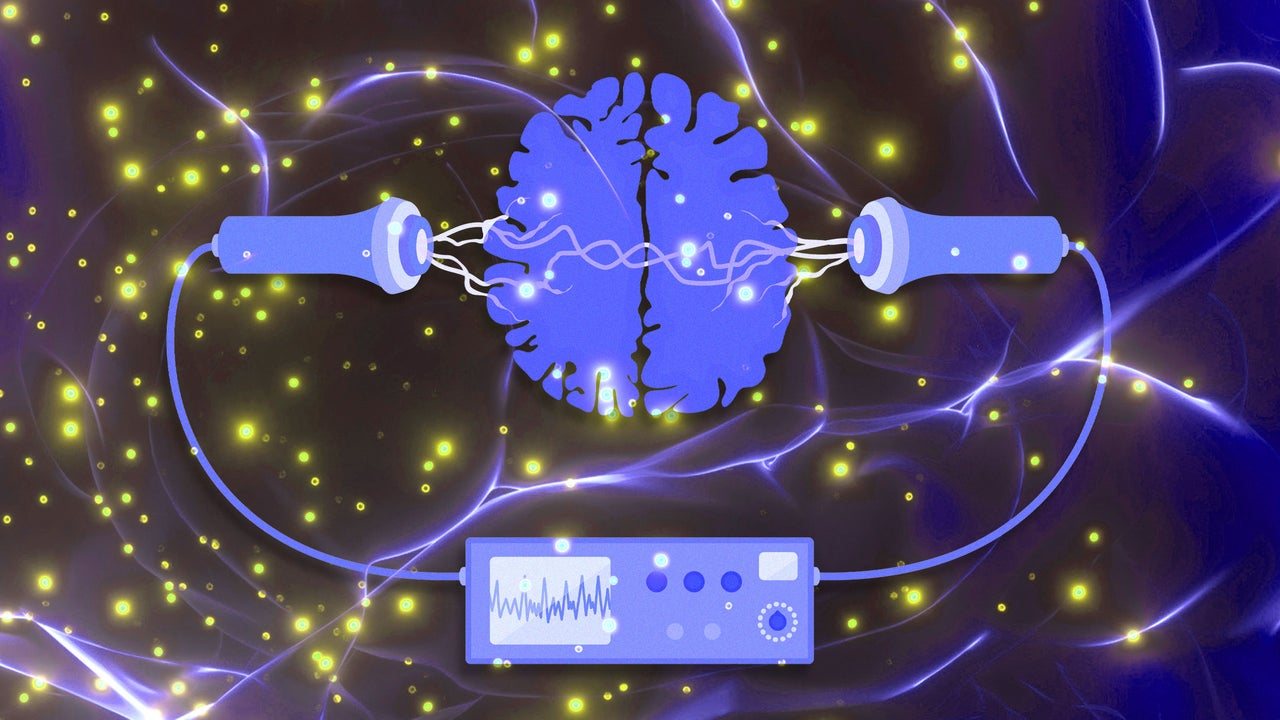
Electroconvulsive therapy, often called electroshock, owes its origins to the idea that a physical jolt to the body could alter the course of a mental illness. The term "shock" originally referred to any physical method meant to jolt the body, and only later became attached to one specific procedure.
In the late 1920s, several approaches based on this logic emerged in Europe. Constance Pascal, working in a clinic in France from about 1926, began using the term "shock" and treated mental disorders much like allergies requiring a reset of the nervous system. In 1927, Manfred Sakel in Berlin developed insulin coma therapy. The results were uneven, and the method carried a real risk of death. Among those who received insulin shocks was mathematician John Nash in 1961.
Next came Ladislas Meduna, who linked changes in the brain during epilepsy to schizophrenia and proposed inducing seizures deliberately. In 1934 he began using camphor to induce them. Metrazol brought on seizures more quickly, but patients experienced intense terror, so this drug did not solve the problem.
In April 1938, Ugo Cerletti and Lucio Bini first applied electroshock to a human in Rome. Before that, Cerletti had conducted experiments on dogs, and many of them died. The placement of electrodes on the human head was based on observations of animals being stunned at a Roman slaughterhouse. The first patient later became ill again and was re-hospitalized about two years later.
Wartime insulin shortages accelerated the spread of electroconvulsive therapy, as it proved cheaper and safer. Emigrant psychiatrists carried the method from Rome to London and New York, and in America it came into wide use by about 1940.
At the same time, it was often overused in hospitals. Some institutions practiced so-called "annihilation therapy" with repeated daily procedures. Bellevue Hospital treated 98 children between 1942 and 1947.
The modern version of the procedure differs from the early one. It was supplemented with anesthesia, muscle relaxants and oxygen, and succinylcholine was introduced in 1951. Today the method is still used for elderly patients who cannot tolerate medications. In the mid-1960s, stigma surrounding the therapy grew amid the antipsychiatry movement and opposition from the "New Left." The Church of Scientology funded campaigns against electroconvulsive therapy, and its use was restricted in many states.
Despite decades of use, the mechanism by which electroconvulsive therapy produces its effect remains unclear, and the question remains open for researchers.
Source: fastcompany.com
4