5 minSociety
HOA Records Can Expose Homeowner Data to Scammers, State Laws Offer Limited Protection
Homeowners association records — meeting minutes, membership lists and other documents — can reveal personal details that scammers use to make fraudulent calls and messages more convincing. California law offers an opt-out, but rules vary widely by state.
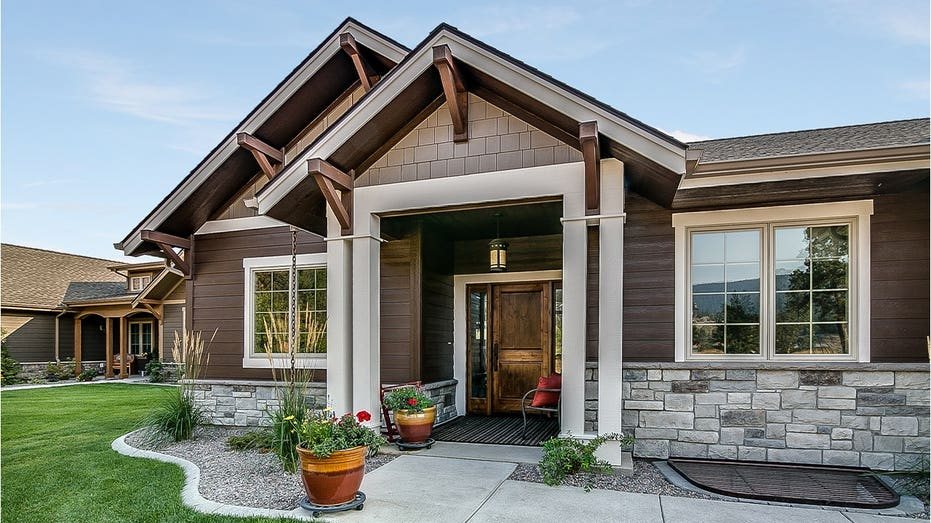
Homeowners association records that many residents never think about — meeting minutes, membership lists and other association documents — can expose personal information that scammers use to make fraudulent calls, texts and emails sound credible, according to privacy and fraud experts.
The risk does not require a hacker to break into an HOA system. In many cases, the information is already available to association members or posted online, and it can include a homeowner's name, property address, mailing address and email address. A scammer who knows a resident's name, street address and community can weave those details into a message about an assessment or another property-related issue, making the contact far more believable.
What associations can collect and publish depends heavily on state law. Some states give HOA members broad rights to inspect association records, while sensitive disciplinary, collection and payment matters often receive additional privacy protections. California provides a frequently cited example. State law treats board meeting minutes as association records available for member inspection but excludes minutes and other information from executive sessions, which can cover member discipline, certain payment issues and other sensitive association business.
California law also allows an association to withhold or redact information when releasing it could reasonably lead to identity theft or fraud, or compromise a member's privacy. The state defines the membership list as including a homeowner's name, property address, mailing address and email address as collected by the association. Members can request access to association records under state law, but homeowners also have a privacy option: they can opt out of sharing those details through the membership list by notifying the association in writing. The law further restricts association records from being sold, used for commercial purposes or used for purposes unrelated to a member's interests.
Rules differ from state to state, so homeowners are advised to check local laws and ask their HOA exactly what information it collects, who can access it and whether an opt-out is available. The concern extends beyond the association itself. Once personal information appears publicly online, it can be indexed or copied and combined with data already collected from public records and other sources. Data brokers and people-search sites build profiles using many of those sources, and personal details give scammers context they can use to make a fraudulent message feel legitimate.
Federal prosecutors have already pursued companies that supplied consumer information to fraud operations. Epsilon Data Management, one of the largest marketing companies in the country, agreed to pay $150 million after prosecutors said it sold consumer data to operators running fraudulent mass-mailing schemes involving fake sweepstakes and astrology solicitations. The government said many victims were elderly and vulnerable. A related company, Macromark, pleaded guilty after lists it provided to fraudulent clients resulted in at least $9.5 million in victim losses. Those cases involved marketing databases rather than HOA records, but they demonstrate why personal details can become valuable to criminals. Names and addresses helped fraudsters identify and target potential victims.
Older adults remain especially attractive targets for financial scammers. The FBI says criminals may target older Americans because many have accumulated significant savings, and older victims can be more likely to engage with unsolicited phone calls, texts or emails. In 2025, Americans over 60 reported more than $7.7 billion in internet-enabled fraud losses. The FBI received more than 201,000 complaints from people in that age group, which reported the highest total losses of any age group.
Those figures do not mean everyone living in a retirement or 55-plus community will encounter fraud. They do show why reducing unnecessary exposure of personal information matters. For homeowners, the practical steps are straightforward: find out what the association collects and shares, ask who can access it, review state law for inspection and privacy provisions, and use any opt-out that applies. Meeting minutes and membership records can reveal more than residents expect, and the details they contain may be exactly what a scammer needs to make a fraudulent contact sound real.
59