5 minSociety
FDA Hearing Highlights Infrastructure Gap for Psychedelic Therapies
A September FDA hearing drew more than 80 speakers to discuss how psychedelic therapies could work in regulated settings. Supporters say the U.S. needs licensed supply chains, clinical protocols, and trained practitioners before these treatments can reach patients at scale.
The Food and Drug Administration convened a hearing on September 14 that brought more than 80 speakers together for four hours to examine how psychedelic therapies might function in regulated settings. The discussion reflected mounting interest from regulators, physicians, patients, and veterans' organizations in whether these treatments can offer relief to people living with mental illness. It also exposed a gap that goes beyond rescheduling or reclassification: the operational infrastructure required to deliver these therapies safely and at scale.
The patient need is substantial. More than 62 million American adults live with mental illness, and tens of millions have few effective treatment options. Nearly one in three patients treated for major depressive disorder sees no meaningful relief from medication, while first-line treatments for post-traumatic stress disorder carry an average nonresponse rate of 40 percent. Those figures have intensified interest in alternatives, including psychedelic-assisted therapy.
Clinical evidence has been building. A 2022 trial published in the New England Journal of Medicine found that a single 25 milligram dose of psilocybin, combined with psychological support, significantly reduced depressive symptoms in patients whose condition had resisted other treatments. Oregon Health & Science University later published findings from the largest real-world U.S. study of psilocybin, covering 346 people across 24 licensed service centers. Participants reported reduced symptoms of depression, anxiety, and PTSD, and nearly two-thirds ranked the session among the most meaningful experiences of their lives.
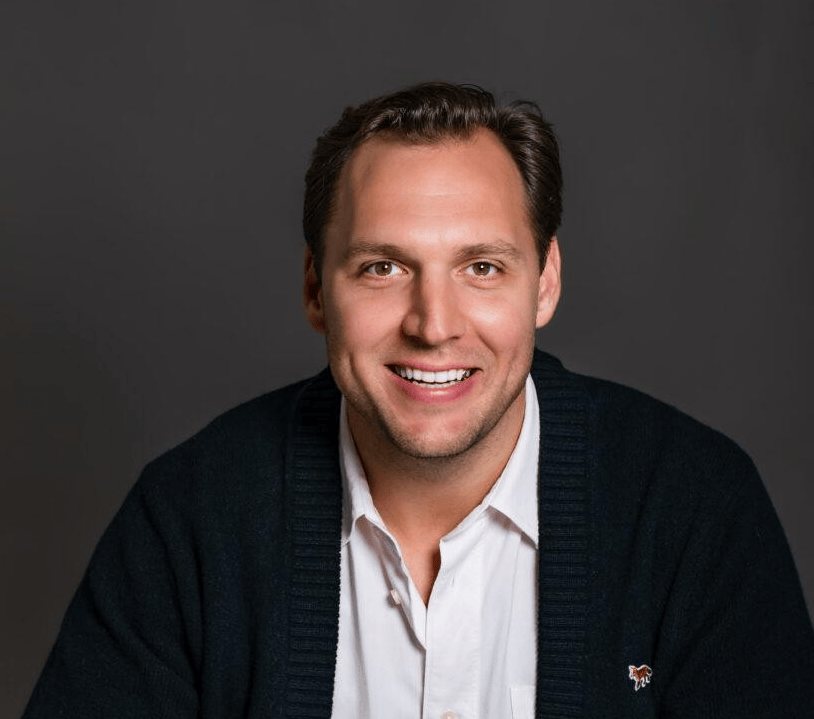
Today's psychedelic medicines bear little resemblance to their 1970s counterparts. They undergo rigorous clinical trials and licensed manufacturing processes designed to preserve safety, chain of custody, and therapeutic effect. According to Dane Stevens, chief executive and co-founder of Optimi Health, a Canada-based manufacturer and developer of pharmaceutical-grade psychedelic compounds, the clinical foundation has been established and the United States now needs the operational foundation to act on it.
That operational foundation involves more than FDA approval or rescheduling. It includes manufacturing standards, licensed supply chains, clinical administration protocols, and trained practitioners capable of supervising sessions. Stevens, whose company has manufactured and exported pharmaceutical-grade psychedelic therapies for clinical settings in Australia, Canada, and the United Kingdom, points to Australia's model as an instructive example. There, a patient with treatment-resistant depression sees an authorized psychiatrist, who prescribes a pharmaceutical-grade dose from a licensed manufacturer. The patient takes it under physician supervision, and the chain of custody is documented at every step. There is no ambiguity about what was administered, at what dose, or by whom.
Optimi has supported dozens of clinics in Australia with no serious adverse events reported, according to Stevens, and has supplied more than 5,000 doses of psychedelic therapies globally for patients and clinical research. Those figures suggest that responsible manufacturing and distribution models already exist and could be adapted for the American market.
The United States is the world's largest and most innovative pharmaceutical market, and the American psychedelic drugs market is forecast to reach $3.60 billion by 2032. Stevens argues that the country has the resources to build its own model and lead in this space, provided pharmaceutical companies and the government are willing to take the next steps.
Veterans and millions of other Americans living with treatment-resistant mental illness are waiting for solutions. The FDA hearing showed that regulators are asking the right questions. What remains unresolved is whether the commercial and clinical architecture — from manufacturing to supervised administration — will be in place when the first therapies are approved.
6