5 minSociety
Campus antisemitism persists as federal lawsuit against Harvard is dismissed
A federal judge dismissed the Trump administration's lawsuit against Harvard, ruling the alleged antisemitism was too isolated to show a federal law violation. The decision highlights the limits of federal enforcement and the role of academic culture and alumni in addressing campus antisemitism.
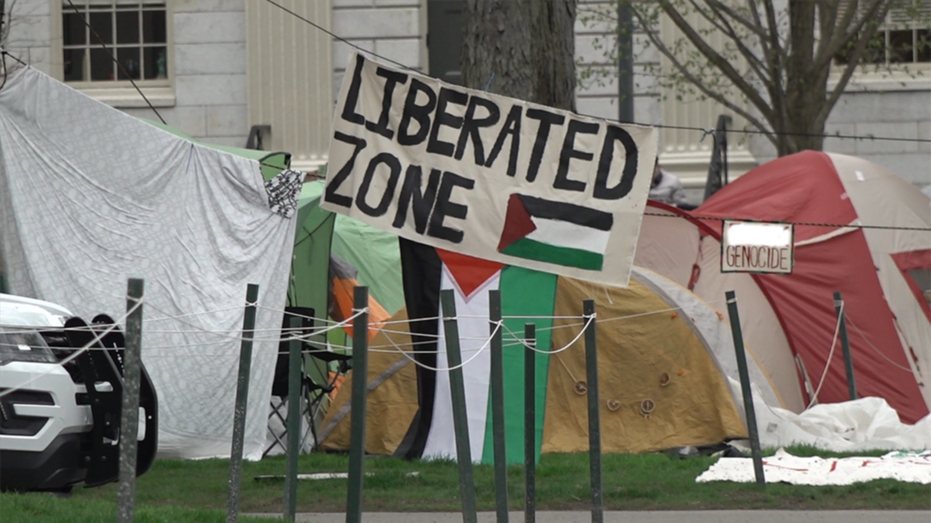
The dismissal of the Trump administration's lawsuit against Harvard earlier this month marks a significant setback in federal efforts to combat campus antisemitism, but the underlying problem remains rooted in academic culture rather than legal enforcement alone. A federal judge ruled that the antisemitism alleged by the Justice Department was "too isolated and episodic" to demonstrate that Harvard had violated federal law. While the decision sends the administration back to the drawing board, advocates argue that meaningful change will require more than government action.
At the center of the debate is the classroom, where faculty and administrators shape the environment that Jewish students navigate daily. Recently, 170 Harvard faculty members, both Jewish and non-Jewish, published an open letter detailing antisemitic incidents at the institution. These included an Israeli undergraduate student who was "told to leave a classroom by an instructor because her being Israeli made other students uncomfortable." Other Jewish students reported being pressured to "renounce Zionism" and faced ostracism when they refused. Critics argue that such incidents are allowed to persist because administrators foster a culture of impunity.
The issue extends beyond Harvard. During the height of the campus encampment movement, demonstrations and associated violations of student codes of conduct and criminal law were often justified as displays of "free expression." However, signs and chants calling for the elimination of Israel and the removal of Jewish students violated the rights of Jewish students to free expression and religious liberty, according to observers. At George Washington University, a student standing peacefully across the street holding an Israeli flag was told to leave while tents remained for weeks. A group known as Faculty and Staff for Justice in Palestine later defended the protesters as "peaceful."
Course materials have also drawn scrutiny. Course descriptions at Princeton and Stanford characterized the Israel-Hamas war as a Palestinian genocide. In 2025, the University of California Berkeley offered an English comparative literature course that initially referred to the Israeli military as the "Israeli Occupying Force" and described Hamas militants as "revolutionary resistance forces" opposing colonialism and imperialism. Such academic language, critics say, weaves a narrative that shapes student attitudes and contributes to a hostile environment.
Professors who mobilize students to harass, humiliate, and ostracize their classmates are not exercising First Amendment rights, according to those who have studied the phenomenon. Instead, they are violating academic integrity codes and using academic freedom as a cover. A university is supposed to defend intellectual honesty and open minds, but observers describe a crisis of accountability that will continue unless administrators hold faculty to their codes or are themselves held to account.
In May 2025, a lawsuit was filed against George Washington University over pervasive antisemitism, detailing what the complaint calls a "pipeline of hate" that begins with academic culture and spills outward. That August, the Department of Justice's own investigation found that GW had been "deliberately indifferent" to the hostile environment facing its Jewish and Israeli students. Federal investigations and settlements provide some solace, but they offer little remedy for what Jewish students are enduring now. Investigations take months, meaningful enforcement can take years, and a college career lasts only four.
This timeline is why alumni involvement is considered essential. At the Israel on Campus Coalition's National Leadership Summit, speakers stressed that addressing antisemitism is an America First issue and that doing so requires reinfusing academic freedom with academic integrity. Alumni are urged to mentor current students, build bonds with professors, and amplify student voices. The federal government has a role to play, but it must do so thoughtfully and with the systemic nature of the issue in mind. Federal law enforcement efforts must target classroom culture and administrative impunity that let antisemitism take root. Otherwise, the fight against antisemitism will be nothing more than an effort at pruning branches while the roots remain intact.
58