3 minPolitics
Trump says U.S. to take control of 65 billion barrels of Venezuelan oil reserves
President Donald Trump announced an agreement with Venezuela to take control of 65 billion barrels of oil reserves, a deal he called the biggest in world history, as the U.S. faces high gas prices and shrinking strategic reserves.
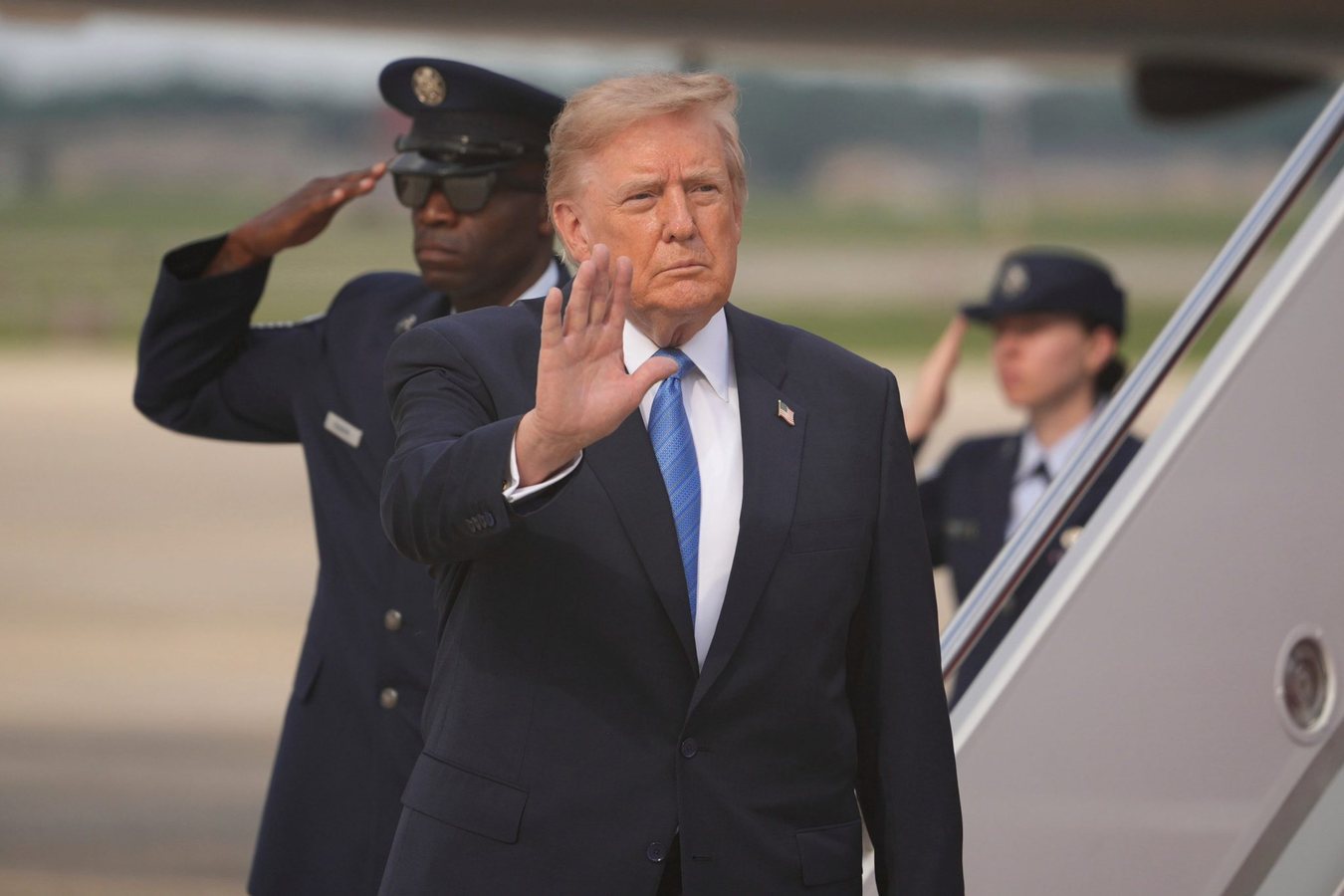
President Donald Trump said Friday that the United States has entered an agreement with Venezuela to take control of 65 billion barrels of the South American country's oil reserves, a deal he described as the largest in world history. In a social media post, Trump said the agreement was negotiated by Secretary of State Marco Rubio, Defense Secretary Pete Hegseth and Venezuela's interim President Delcy Rodriguez.
«The United States of America has just entered into an Agreement with the Country of Venezuela on, THE BIGGEST OIL DEAL IN WORLD HISTORY!» Trump wrote. The announcement comes nearly nine months after the U.S. military, at Trump's direction, carried out an operation to capture Venezuela's president Nicolás Maduro and bring him to the United States to face federal narcoterrorism and drug trafficking charges.
The deal arrives as Trump faces mounting pressure to address high gas prices while the war in Iran reaches a six-month milestone with no conclusion in sight. The U.S. has tapped its strategic petroleum reserves, which fell below 300 million barrels in early August, down by more than 100 million barrels since the start of 2026.
In the days following Maduro's ouster in January, Trump floated the idea of U.S. oil companies returning to Venezuela to tap its oil reserves. He has argued that Venezuela stole U.S. oil when former Venezuelan President Hugo Chavez moved decades ago to nationalize hundreds of foreign-owned assets, including those owned by American oil companies.
Venezuela holds one of the largest oil reserves in the world, with an estimated 303 billion barrels of crude oil in the ground, about 17% of the world's supply, according to the U.S. Energy Information Administration. Unlike other regions where geologists must search for untapped oil, the reserves under Venezuela's soil are largely mapped and known, experts say. But because of dilapidated infrastructure, the country only produces about 1% of the world's oil.
The agreement signals a significant shift in U.S. energy policy toward Venezuela, reversing decades of sanctions and diplomatic isolation that followed Chavez's nationalization push. The deal's implementation details, including how U.S. companies would operate in Venezuela and how revenue would be distributed, have not been disclosed.
Analysts note that reviving Venezuela's oil production would require substantial investment in infrastructure that has deteriorated under years of mismanagement and sanctions. The country's oil industry, once among the world's most productive, has seen output decline sharply over the past two decades.
The announcement also carries political implications as the Trump administration seeks to demonstrate progress on energy prices ahead of the midterm election cycle. The White House has not yet released additional details about the agreement's terms or timeline.
46