4 minPolitics
Trump administration proposes six-figure fee for new H-1B visas
The Department of Homeland Security proposed a $103,265 fee for cap-subject H-1B petitions, replacing a temporary charge blocked by a federal court.
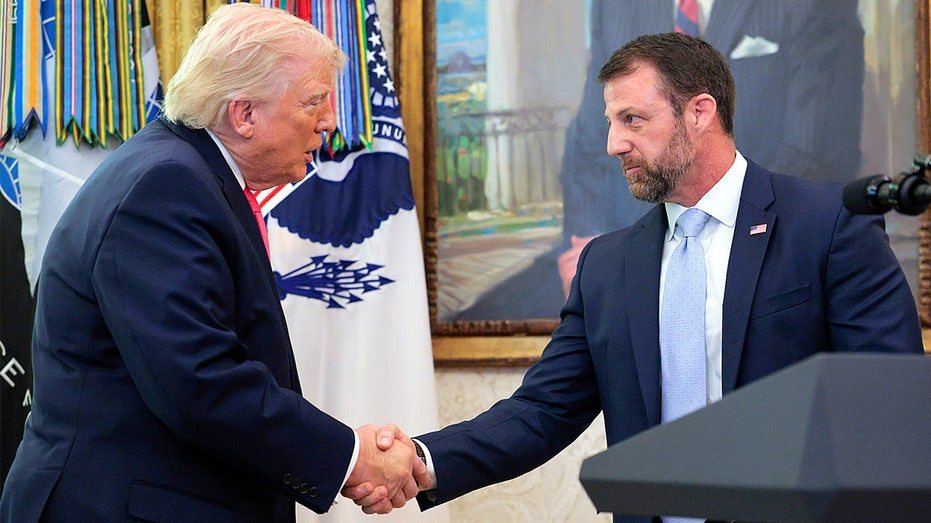
The Trump administration on Monday unveiled a proposal to make permanent a fee of more than $100,000 for new H-1B visas for highly skilled foreign workers, a charge first imposed by presidential proclamation last year and currently blocked by a federal court. The Department of Homeland Security's proposed rule would require an additional $103,265 payment for every H-1B petition subject to the annual statutory cap, including petitions filed under the advanced-degree exemption.
The fee is designed to cover the federal government's costs of administering the legal immigration system, including work carried out by the Department of Homeland Security, the Department of Justice, the Department of State, and the Department of Labor. U.S. Citizenship and Immigration Services spokesperson Zach Kahler said in a statement that the proposed fee is intended to recover costs incurred across the federal government to adjudicate, vet, and support lawful immigration programs that otherwise would be funded by taxpayers.
The H-1B program allows U.S. employers to hire foreign workers with training in specialty occupations, with 65,000 visas offered annually under the regular cap and an additional 20,000 for workers with a master's degree or higher from a U.S. institution. The visas are heavily relied on in the technology, education, and research industries. Before the temporary fee was imposed, these visas typically carried costs between $2,000 and $5,000.
The proposed fee would apply to all cap-subject H-1B petitions, including petitions filed by foreign students already in the United States seeking to change to H-1B status. It would not apply to cap-exempt petitions, and routine extensions for current H-1B holders generally are not subject to the annual cap.
The temporary fee, first imposed by the administration last year, was blocked in June by a federal judge who ruled it an unconstitutional tax. An appeals court is reviewing that decision while a different court considers whether a challenge to the fee by a major business group was properly rejected. The temporary fee increase expires next month, one year after it was issued.
The proposed rule was posted for public inspection Monday and is scheduled to be published in the Federal Register on Tuesday. The charge could be finalized by the end of the year. According to court filings, about 70 employers had paid the $100,000 fee on a total of 85 visa applications as of late February.
The fee is being challenged by the U.S. Chamber of Commerce, a coalition of labor unions, and employers. Those complaints could be altered to challenge the rule proposed this week once it is finalized. The administration has also ordered increased vetting of H-1B applicants and proposed a new visa selection process that would favor higher-skilled and better-paid workers. Earlier this month, DHS added fees of up to $4,500 to applications to extend the stay of H-1B workers or to transfer employees based in other countries to the U.S.
President Donald Trump has argued that the H-1B program is abused by companies that replace American workers with cheaper foreign labor. Business groups and many U.S. companies contend the program is needed to address a lack of qualified American workers for certain jobs and to allow American firms to bring in the most skilled workers to support the U.S. economy.
45