3 minPolitics
Trump administration asks Supreme Court to block counting of 20,000 California mail ballots
The Trump administration asked the Supreme Court on Monday to set aside about 20,000 disputed California mail ballots, a day before the midterm elections, after an appeals court rejected its request.
The Trump administration asked the Supreme Court on Monday to intervene in a dispute over about 20,000 mail ballots cast in California, one day before the midterm elections. The federal government wants the justices to sideline the ballots, arguing they should not be counted until the status of the voters who cast them can be verified.
The emergency appeal followed a decision by an appeals court that rejected the administration's request to set aside the ballots. The federal government says the ballots came from people it suspects may not be citizens. The filing was described as a last-ditch plea, with the administration asking the justices to force California to set the ballots aside. The request is part of a broader effort by the administration to argue that the elections could be affected by illegal votes cast by noncitizens.
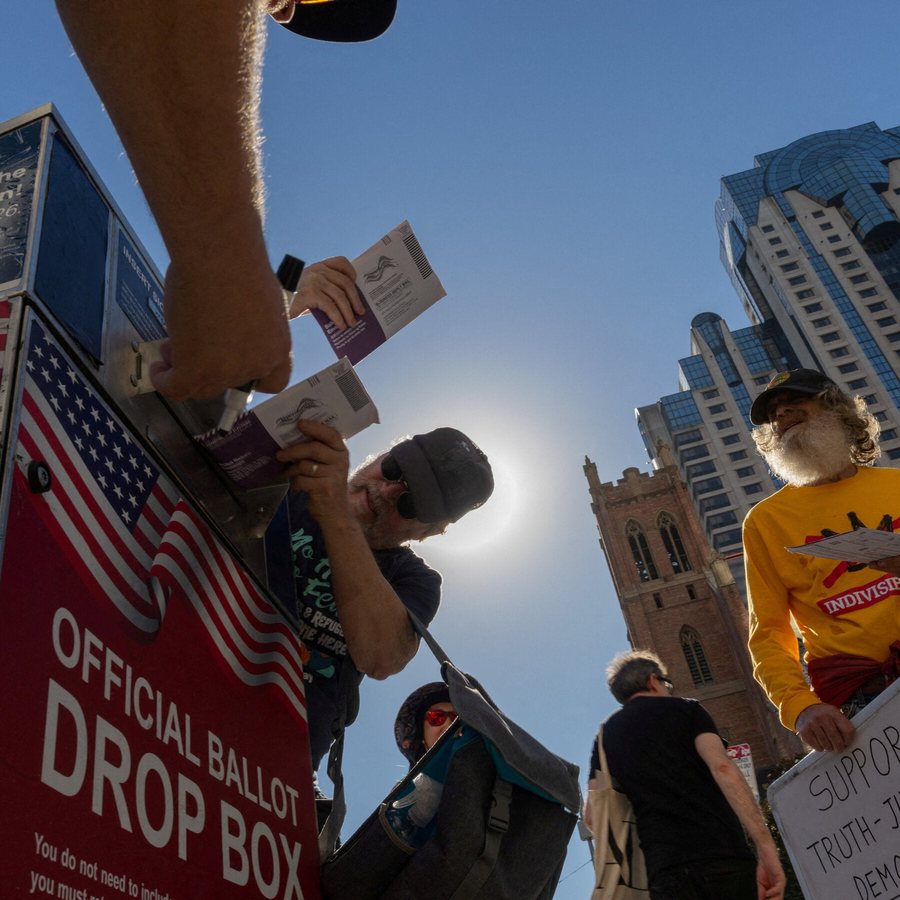
Voters dropped off ballots in San Francisco last month, and the case centers on mail ballots that the administration contends should be held back rather than tallied. The government's position rests on suspicions about the citizenship of the people who cast them, and the dispute has turned on whether those suspicions justify withholding the votes before they are counted.
The timing of the request, coming on the eve of the midterms, underscores how quickly the dispute has moved toward the highest court in the country. A ruling from the Supreme Court could determine whether the disputed ballots are counted in races across the state, as California continues to process mail ballots in the days after polls close. Because the request is an emergency appeal, the justices can act quickly, leaving little time before ballots must be tallied.
The administration's appeal reflects a legal strategy that goes beyond a single batch of ballots. By focusing on noncitizen voting, the government is pressing a broader argument about the integrity of the election process. That argument has so far not been accepted by the appeals court that reviewed the request, which rejected the effort to set the 20,000 ballots aside.
The case highlights a tension between federal efforts to police voter eligibility and state responsibility for running elections. California officials, who oversee the counting of mail ballots within the state, are the ones directly affected by any order the Supreme Court issues, and the outcome will shape how the disputed ballots are handled in the final days before voting ends.
Source: nytimes.com
7