5 minPolitics
Ted Cruz urges Senate to stay until Protect College Sports Act passes
Sen. Ted Cruz is pressing the Senate to delay the start of the August recess until the Protect College Sports Act passes, as procedural hurdles and a tight timeline threaten to push the vote into September.
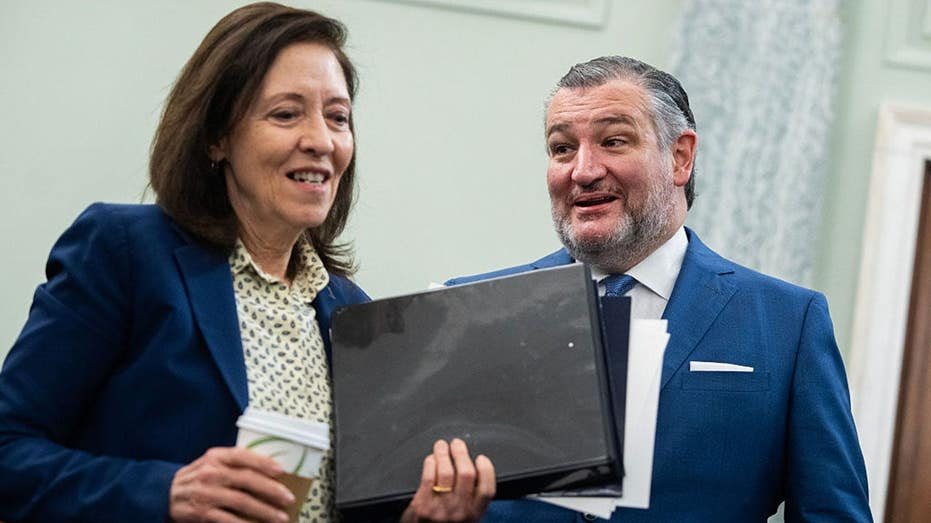
Senator Ted Cruz is pressing the Senate to remain in Washington through the start of the August recess until lawmakers pass the «Protect College Sports Act», as the bipartisan proposal faces a tightening timetable and unresolved procedural hurdles on the floor.
The Texas Republican made the push Monday after congressional leaders released final text for the legislation, following a week of intense negotiations and a last-minute endorsement from the Big Ten and the Southeastern Conference. Speaking to reporters in the Oval Office, President Donald Trump said he was hopeful that the Senate would finally hold a vote on the measure, which has generated sharp disagreement behind the scenes.
The bill was first introduced by Cruz, Senator Maria Cantwell of Washington and Senator Eric Schmitt of Missouri. While many conferences across the country had already expressed support, the SEC and Big Ten wanted additional concessions before signing on. Their backing came late last week after what participants described as a strenuous stretch of talks, including conversations involving White House officials and members of Trump's college sports committee.
Even with that support, senators had not received a final version of the bill until recently, and one of the most closely watched questions is whether the chamber can vote before leaving town. As of late Monday and early Tuesday, Senate Majority Leader John Thune had not started the cloture process needed to advance the legislation. A Senate Commerce Committee aide told reporters that political hurdles remain, and the likelihood of a vote by Friday appears to diminish by the day.
The compressed calendar is not the only complication. Senate leaders are also juggling other priorities, including Russia sanctions, confirmation of nominations and the CLARITY Act. Cantwell spent part of the weekend attending to wildfires in Spokane, a reminder of the competing demands facing members as the chamber tries to wrap up its work.
According to the latest bill language, which could still be revised, several changes were made compared with the original version. The revisions include amendments on pooling media rights, a limit on conference size and the creation of a retention pool separate from the House settlement pool established last year. Schools would be allowed to use a multimedia rights partner to direct funds toward athletes, a mechanism designed to prevent institutions from circumventing the revenue-share cap. The retention pool would let schools use $22.5 million to keep players, and an additional $5 million would be set aside for women's and Olympic sports. Conferences would not be permitted to exceed 19 member institutions.
The bill also retains the so-called «Lane Kiffin Rule», which targets midseason coaching changes, but the provision now carries more serious consequences. The rule would affect schools looking to make a change during the season and begin the search for a replacement. Critics note that athletic departments rarely wait until the end of a season to announce or hire a new coach, and a coach could argue in court that the government is interfering with their ability to find work.
Opposition remains a factor. Senator Tommy Tuberville and other lawmakers are skeptical of the proposal, and their resistance could push consideration into September, after Congress returns from recess. A number of sources have indicated that getting the bill to a vote by Friday evening will be a tall task, but that has not stopped senators from trying.
If the legislation cannot move this week, supporters may have to wait until the fall, when the calendar becomes crowded with midterm elections and other national priorities. For now, the debate over «saving college sports» is far from settled, and the coming days will determine whether the Senate can meet its own deadline.