5 minPolitics
State Department removes DEI criterion from Foreign Service promotion
A personnel overhaul ordered by the Trump administration now reaches promotion, recruitment and training, while statutory and departmental anti-discrimination rules remain.
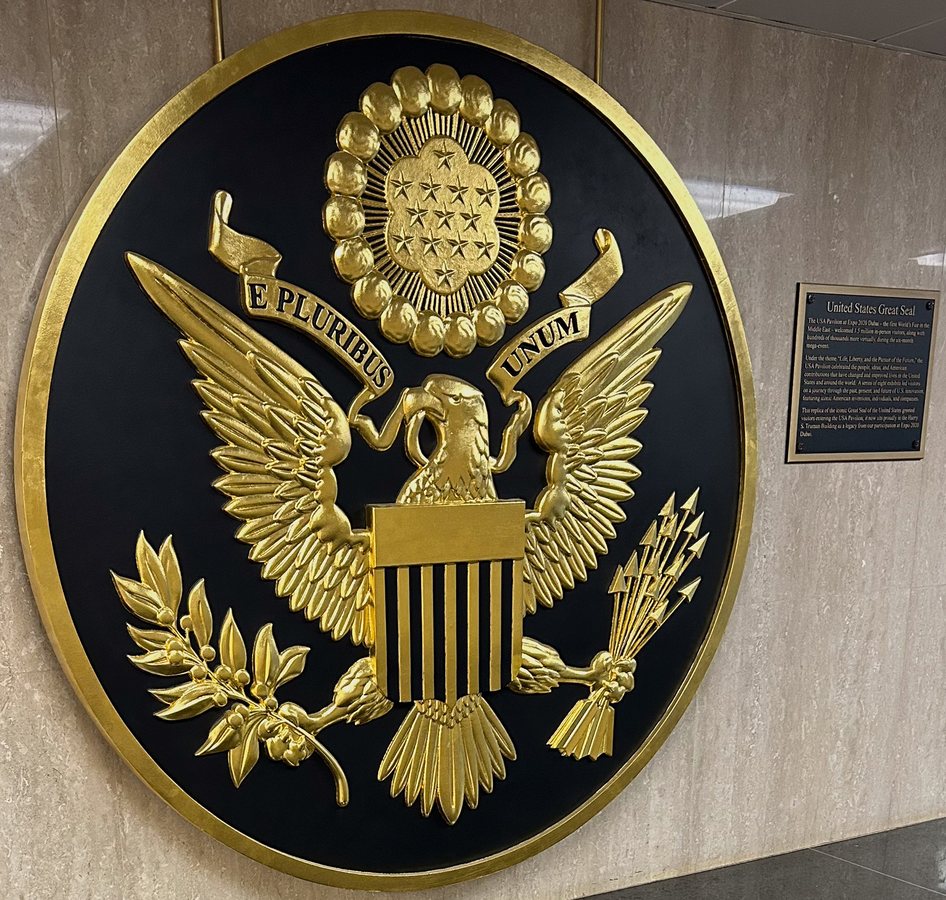
The State Department is moving the U.S. Foreign Service away from diversity, equity and inclusion as an explicit personnel criterion, replacing that framework with a stronger emphasis on individual merit, professional qualifications and performance. The change is part of a wider reorganization of how career diplomats are selected, prepared and promoted under President Donald Trump and Secretary of State Marco Rubio.
The clearest directive came from a March 19, 2025 White House memorandum. It ordered the State Department to revise the 2022–2025 tenure and promotion criteria and remove the Diversity, Equity, Inclusion, and Accessibility Core Precept. The memorandum also said foreign-policy personnel should be hired on merit and that career decisions should not be allocated according to race, color, religion, sex or national origin.
That order fit a broader administration policy that directed federal agencies to dismantle DEI and DEIA programs. State Department administrative records show that a Diplomatic Security DEI Operations function was marked discontinued as of March 6, 2025, an indication that the policy shift affected organizational functions as well as promotion language.
In 2026, the department extended the overhaul to recruitment and training. Its current careers site describes the Foreign Service Officer Test as part of a merit-based selection process. The revised exam adds logic and reasoning, drops the situational-judgment section and eliminates personal narrative essays. The department says job knowledge and English testing have been brought closer to actual job requirements.
The initial training curriculum is also being refocused. The State Department announced greater emphasis on American history, diplomatic theory, economic statecraft, strategic competition, public speaking, negotiation and leadership. Officials have presented the changes as preparation for an elite diplomatic corps oriented toward the administration’s foreign-policy priorities rather than toward internal ideological programs.
The department says the shift also requires correcting past promotion decisions. In an official public statement, it said an internal review found that 295 Foreign Service officers were denied promotion opportunities in 2024 after DEI had been incorporated into the process. State said affected officers would be treated fairly based on prior performance. The department has not released a comparably detailed public methodology explaining how each case was attributed to the DEI criterion, so the figure remains an official departmental conclusion.
The American Foreign Service Association disputes portions of the administration’s case. AFSA said the return of active recruitment was welcome but argued that American history, diplomacy and negotiation were already central to Foreign Service training. The organization has also questioned claims that the previous testing system measured ideological conformity and has warned that a professional career service must remain credible across changes in political leadership.
The legal baseline, however, is more stable than the political rhetoric. The State Department’s Foreign Affairs Manual continues to require appointments, assignments and promotions to be based on merit. The same rule also bars discrimination on protected grounds. Separate performance regulations still require Equal Employment Opportunity leadership, and employees remain subject to mandatory No FEAR Act training on discrimination and retaliation.
Those provisions make the distinction precise: DEI is being removed as a separate personnel-policy objective, but equal employment protections are not being withdrawn. The administration is asserting that fairness should be enforced through neutral rules and job-related standards rather than through an additional diversity-oriented career precept. Critics question whether that distinction will be applied neutrally in practice.
The next evidence will come from the system itself. Future selection-board results, the demographics and qualifications of new Foreign Service classes, retention rates and the speed with which high-performing officers advance will show whether the overhaul changes only the vocabulary of personnel management or the composition and culture of the diplomatic corps. That matters because career diplomats carry U.S. policy through administrations and represent the country in hundreds of posts worldwide.
75