5 minPolitics
South Carolina GOP Senate debate exposes party divisions over filibuster and Iran
Five Republican candidates vying to fill the seat of the late Sen. Lindsey Graham clashed over the filibuster, the Iran war and data center expansion during a Monday debate, exposing intraparty fissures.
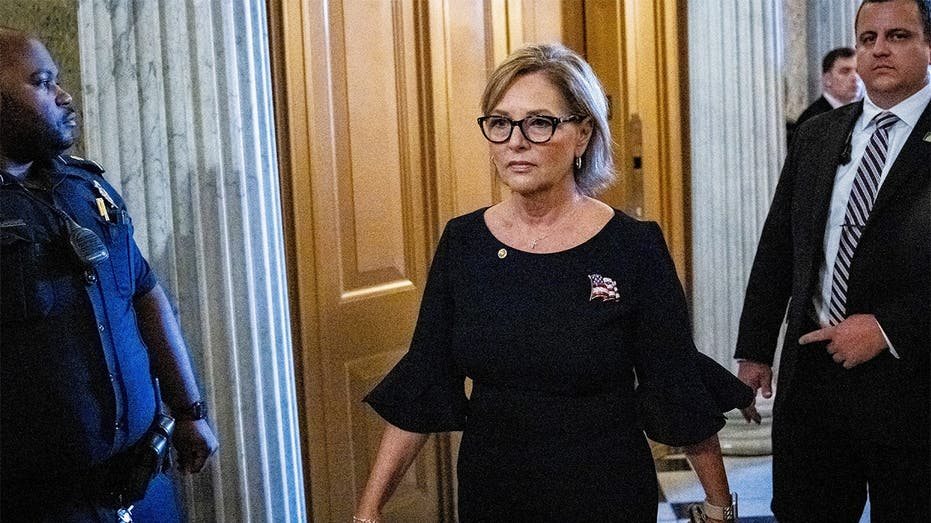
Five Republican candidates vying to replace the late Sen. Lindsey Graham of South Carolina laid out sharply different positions on the filibuster, the war in Iran and federal spending during a Monday evening debate, exposing fractures within the party even as the contenders largely agreed on broader conservative priorities.
The debate gave voters one of their clearest looks yet at a primary contest that will effectively decide who fills the Senate seat left vacant when Graham died in office last month. The field includes Sen. Darlene Graham Nordone, Graham's sister and the appointee currently holding the seat, Rep. Ralph Norman, Rep. Russel Fry, businessman Mark Lynch and former Gov. Mark Sanford.
The sharpest clash of the night came when Nordone, who has received President Donald Trump's endorsement, announced she would support ending the filibuster, a procedural rule that requires 60 votes for most legislation to pass the Senate. Republicans currently hold 53 seats in the chamber.
«And I am all for — this is where I differ from my brother — getting rid of the filibuster to get this done, because eventually the Democrats are going to get rid of it anyway,» Nordone said, acknowledging the break with her late brother's position.
Supporters of the filibuster argue it forces bipartisan compromise and prevents either party from imposing its views without broad input, describing it as one of the last institutional checks on partisan legislation. Critics, including some Republicans, say the rule has throttled priorities pushed by Trump and his allies, including national voter identification legislation.
Sanford, who served two terms as South Carolina governor, then waded into one of the campaign's most sensitive national security debates, suggesting that Congress, not the president, should set the direction of U.S. involvement in Iran.
«Only Congress has the authority to declare war. This decision needs to be made by Congress … body bags don't go back to Washington. They come back to home states and congressional districts,» Sanford said.
The United States first struck Iran in coordination with Israel nearly six months ago, killing Ayatollah Ali Khamenei. The conflict has stretched well beyond the timeline the administration said it had expected, and lawmakers have sparred over whether the president overstepped his constitutional authority by ordering military action without congressional approval.
Other candidates voiced support for Trump's approach, citing concerns about Iran's nuclear capabilities. Fry, a Republican congressman, qualified his backing with a firm pledge against deploying U.S. service members into the region.
«No boots on the ground. I'm not a believer in that. My brother served in Iraq, and I've lost friends in foreign wars. But we can finish the mission by defanging Iran and making sure they have no capabilities left,» Fry said.
A different kind of split emerged over data center expansion, a niche but increasingly contentious policy issue in South Carolina. Lynch, a businessman who challenged Graham in the 2026 primary, said he would prioritize local community concerns over the rapid growth of the facilities.
«It is a pain point for South Carolinians,» Lynch said. «We're tired of waking up and seeing 100 acres of trees bulldozed, and we're told the data center is going to go right next to our neighborhood. It is horrible noise pollution. They're robbing our water. It takes millions of gallons to cool the data centers, and it's causing our electric utilities to increase. We already have a problem with inflation and affordability.»
The tension between Lynch and the Graham family carried into the debate's closing moments. Lynch had criticized the late senator's record on amnesty and the legalization of marijuana, and Nordone used her final remarks to push back.
«Mr. Lynch mentioned Lindsey Graham multiple times, and I don't know if he's just afraid Lindsey beat him, and now his little sister is going to beat him. But I just don't like hearing that,» Nordone said.
Lynch ran against Graham earlier this year in the 2026 primary and lost by a wide margin, with Graham taking 56.8% of the vote to Lynch's 28.9% in June.
With the debate concluded, the Republican nominee will be chosen in the Aug. 11 primary and will face Democratic nominee Annie Andrews in the Nov. 3 general election. The race is projected to heavily favor the GOP, meaning the primary outcome is widely expected to determine who serves the full six-year term in the Senate.