5 minPolitics
Socialist candidates score primary wins in New York, alarming Democratic leaders
Self-described socialist candidates won Democratic primaries in New York, prompting concerns among party leaders and raising questions about the direction of the party and economic policy.
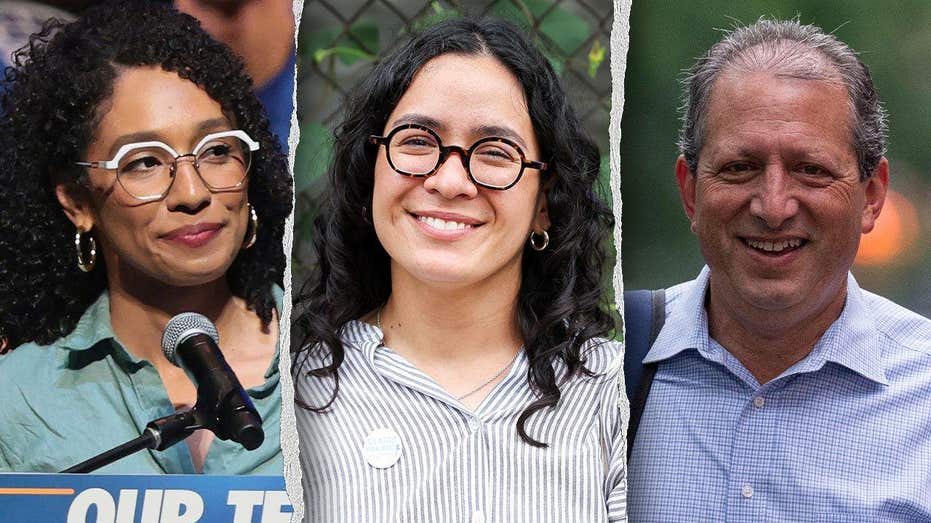
The latest wave of primary victories by self-described socialist candidates in New York and other parts of the country is sending shockwaves through the Democratic Party and raising alarms about the future of economic policy in the United States. Brad Lander, Darializa Avila Chevalier, and Claire Valdez, all backed by New York City Mayor Zohran Mamdani, won their respective Democratic primaries in districts where the general election is often a formality. The results have been described by some House Democrats as an «earthquake» and a «huge defeat» for party leadership, according to reports.
These victories are not isolated incidents. They represent a broader trend in which socialist-aligned candidates are increasingly winning primaries against establishment-backed incumbents, particularly in progressive urban areas. The movement, once dismissed as a fringe element within the Democratic Party, is now setting the party's direction in key districts. Mayor Mamdani, who has risen from a local elected official to a political kingmaker, has been instrumental in backing these candidates and amplifying their message.
The policy implications of this shift are significant. Lander has supported measures that would restrict independent contracting, potentially limiting opportunities for millions of Americans who rely on freelance and gig work for flexibility and income. Avila Chevalier has advocated for eliminating right-to-work protections and allowing unions to collect dues directly from workers' paychecks, including from those who choose not to join a union. Valdez has called for using federal power to expand union membership, regardless of individual worker preference.
Critics argue that these policies would fundamentally alter the American free enterprise system, which has long been a driver of economic growth and opportunity. «We don't help businesses by making government bigger, we help them by getting out of the way,» said a former small-business owner and commentator. The concern is that expanding government control over labor markets and contracting could reduce economic flexibility and discourage entrepreneurship.
The trend is not confined to New York. In Seattle, voters recently elected Katie Wilson, another socialist candidate with similar priorities. In Wisconsin, gubernatorial candidate Francesca Hong openly identifies as a socialist, signaling that these ideas are moving beyond deep-blue coastal cities into battleground states. Wisconsin is expected to play a crucial role in the upcoming elections, and Hong's candidacy has drawn attention to the growing influence of socialist ideology in Midwestern politics.
For years, many Americans assumed socialism could only gain traction in a few areas like New York City or San Francisco. Recent elections suggest otherwise. The movement is producing candidates, winning primaries, and replacing establishment Democrats with candidates who embrace a far more expansive role for government in the economy. This has prompted some moderate Democrats to admit they no longer have control of their party.
The consequences of these victories extend beyond individual races. They could shift the national conversation on economic policy, affecting how Americans work, start businesses, save money, and pursue economic opportunity. The policies championed by today's socialist movement would permanently change the free enterprise system that has made the United States one of the most prosperous nations in the world, according to critics.
As the 2026 midterm elections approach, the rise of socialist candidates within the Democratic Party is likely to remain a central issue. Voters in districts across the country will have to decide whether they support the direction set by these primary victories or push back against what some see as a radical shift. The outcome in New York has made one thing clear: socialism is no longer on the fringe of American politics.
88