5 minPolitics
Socialist candidates face tougher scrutiny in Senate races than in House contests
A political analysis examines how Democratic Socialist candidates are winning House primaries through surprise campaigns but struggling in Senate races where longer exposure reveals controversial past statements.
A growing divide is emerging in Democratic primary contests across the United States, as socialist candidates backed by the Democratic Socialists of America continue to score surprise victories in House races while facing far greater resistance in Senate campaigns. The pattern reflects a strategic advantage for the far left in lower-profile congressional districts, where candidates can emerge quickly and win before voters have time to scrutinize their records.
In Colorado, Melat Kiros recently won a Democratic primary for a House seat against a more moderate rival, catching many voters off guard. Erick, a Denver resident and self-described Democrat who leans slightly Republican, told a reporter he had only heard of Kiros about a week before the election. «I’m a Democrat. I lean a bit to the Republican side maybe, but these socialists are crazy,» he said. The rapid rise of such candidates follows a three-step playbook: a year-round organizing machine that mobilizes socialist voters, use of nontraditional media to reach activist circles, and a mainstream introduction so late that opponents have little time to respond.
This model has worked repeatedly. In New York, Darializa Chevalier defeated longtime Representative Adriano Espaillat with little advance notice. Claire Valdez is poised to join Congress using the same approach. New York City Mayor Zohran Mamdani employed the strategy in his 2025 primary race, and Representative Alexandria Ocasio-Cortez used it in 2018 when she unseated Representative Joe Crowley. In each case, the element of surprise proved decisive.
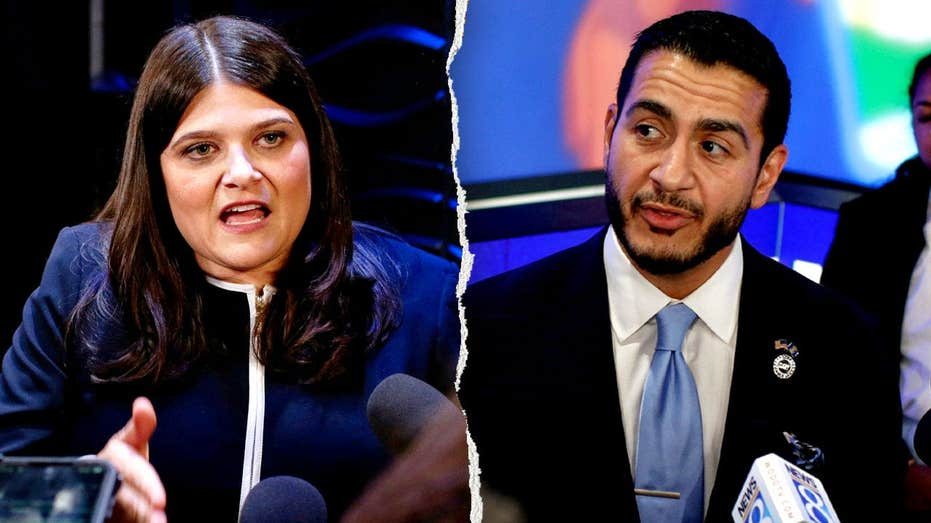
Senate races, however, are proving more difficult for socialist candidates. The longer campaign timeline forces them to remain in the public eye for months, giving voters and opponents time to examine their past statements and policy positions. In Michigan, Abdul El-Sayed is running for Senate but has faced repeated questions about controversial remarks he made years ago. Terry, a Detroit native in her 30s, told a reporter that «there keep being these crazy things he said in the past, they keep coming.» Even CNN’s Jake Tapper pressed El-Sayed on his refusal to celebrate the death of Iran’s ayatollah, an exchange that went poorly for the candidate.
El-Sayed’s opponent, Representative Haley Stevens, has launched an aggressive advertising campaign across multiple channels, including news, sports, and the Hallmark channel. The ads highlight El-Sayed’s past criticisms of former President Barack Obama and Michigan Governor Gretchen Whitmer, neither of whom has endorsed in the race. The message is clear: El-Sayed is not a mainstream Democrat but a radical. Stevens still has two weeks to solidify that perception before Election Day.
The contrast between House and Senate races raises a fundamental question about the socialist movement’s strategy. In Colorado, Erick had no time to evaluate Kiros before she won. In Michigan, voters have had weeks to examine El-Sayed and still have time to make up their minds. «Are the Marxists of the Democratic Socialists of America even trying to win the votes of Democrats like Erick, or are they simply trying to blindside them?» the analysis asks. The surprise approach has succeeded at the congressional level, but statewide and national victories will require winning over American voters rather than catching them off guard.
The challenge for socialist candidates is compounded by the fact that their coalition includes figures like Senator Bernie Sanders and Representative Ocasio-Cortez, who draw enthusiastic crowds but also reinforce perceptions of radicalism. El-Sayed has shared the stage with both while insisting he is not a socialist. Meanwhile, the broader political landscape includes competitive gubernatorial races across 36 states, where Democrats hold 24 of 50 governorships and are trying to maintain their advantage. The outcome of these contests will test whether the socialist surge in House primaries can translate into broader electoral success.
78