4 minPolitics
Serbia has not ended visa-free travel for Russians as EU alignment advances
Russian ordinary passport holders still have 30-day visa-free access to Serbia. EU documents show the exemption is one of the policy gaps Belgrade has committed to address during accession reforms.
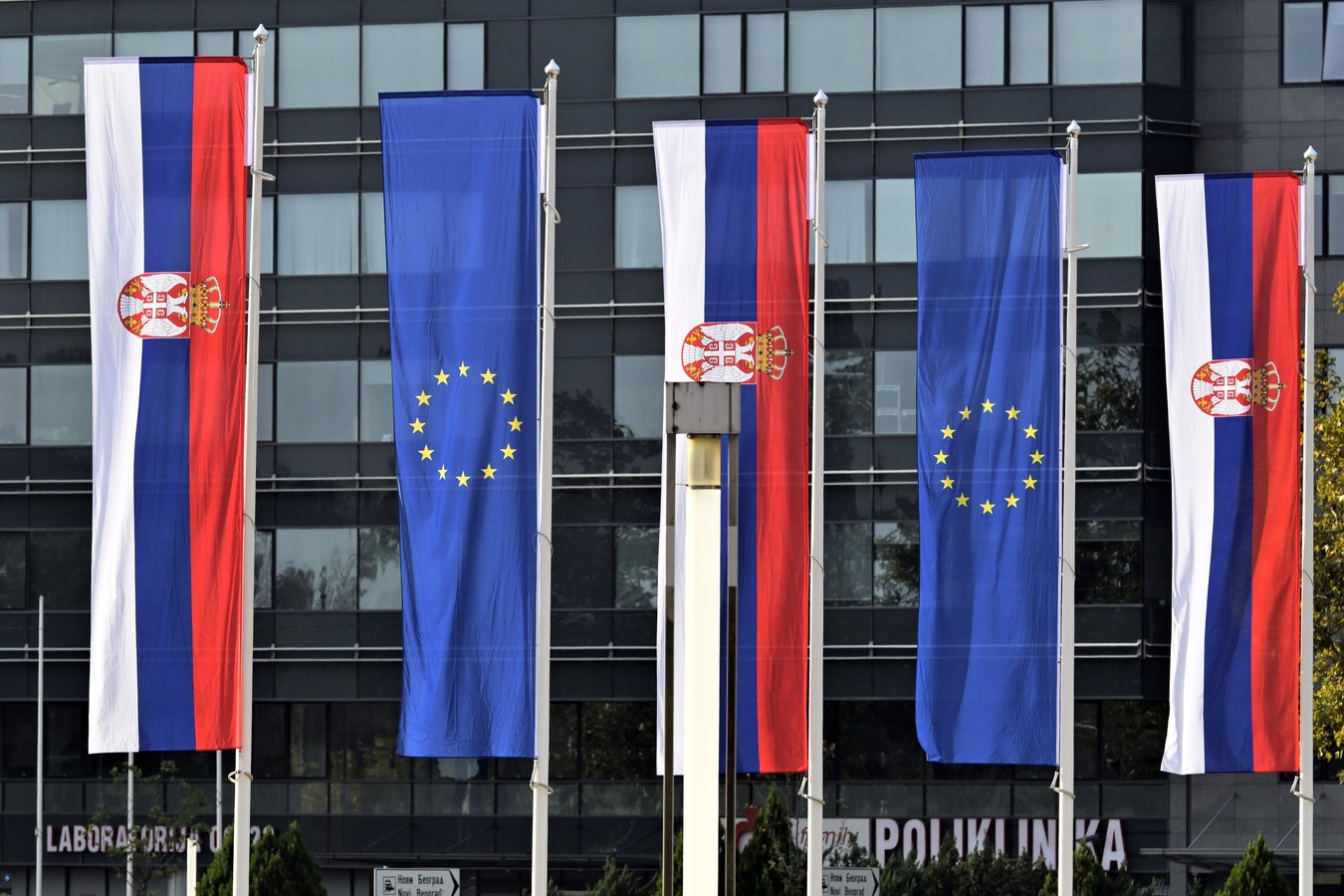
Serbia has not imposed a visa requirement on Russian citizens, despite growing attention to the issue after Montenegro announced its own change. Serbia’s Ministry of Foreign Affairs continues to state that holders of ordinary Russian passports can enter without a visa for stays of up to 30 days. No Serbian government measure currently sets an end date for that rule.
The policy is nevertheless tied directly to Serbia’s European Union accession obligations. The European Commission has documented a gap between Serbia’s national visa regime and the EU’s visa-required list. In its sixth report under the visa suspension mechanism, the Commission named Russia among 16 countries whose citizens were exempt from Serbian visas while still requiring visas for entry to the EU.
Serbia adopted a plan in November 2023 to harmonize its visa regime with EU visa policy. The Commission said the plan specified that alignment involving countries on the EU’s visa-required list would take place one year or six months before Serbia’s accession. At the same time, Brussels called for faster progress, leaving the exact timing subject to negotiations and domestic Serbian decisions.
Montenegro moved from that kind of alignment requirement to a concrete legal measure this summer. Its government adopted a decree on July 23 requiring visas from Russian citizens, along with nationals of Belarus, China, Saudi Arabia and Türkiye, beginning Nov. 1, 2026. Montenegro said the change fully aligned its visa policy with the EU and satisfied a closing benchmark in negotiating Chapter 24.
Serbia’s process is separate. It has not announced a matching decree, and there is no basis for treating Montenegro’s Nov. 1 date as a Serbian deadline. However, the subject remains on the official Serbia-EU agenda. In April, Interior Minister Ivica Dačić and EU Commissioner for Internal Affairs and Migration Magnus Brunner discussed border management, migration and visa-policy harmonization. Serbia said it remained committed to further alignment with EU home-affairs standards.
The institutional context also undercuts claims that Serbia is simply preparing to “join Schengen in 2027.” Serbian officials have cited 2027 as a target for completing major reforms required for EU membership. That is not an announced Schengen accession date. EU membership and Schengen participation involve separate legal and political steps, even though common visa rules are part of the broader acquis Serbia is expected to adopt.
The result is a policy question with a clear long-term direction but no immediate Serbian decision. If Belgrade continues toward full EU alignment, it will eventually have to address visa exemptions that conflict with the EU list. Russia is especially politically sensitive because Serbia has historically maintained closer ties with Moscow than many EU candidates.
For now, travelers should distinguish that institutional pressure from the rule in force at the border. Russian ordinary passport holders remain eligible for 30 visa-free days in Serbia. A change would require an official Serbian act and an implementation schedule. Montenegro has already crossed that line; Serbia has not.
67