4 minPolitics
Rural districts swing over 15 points toward Democrats, Kansas Senate seat flips
Rural districts shifted noticeably toward Democrats in the 2026 midterm elections, and polls show many small-town residents are dissatisfied with the cost of living and the state of the local economy.
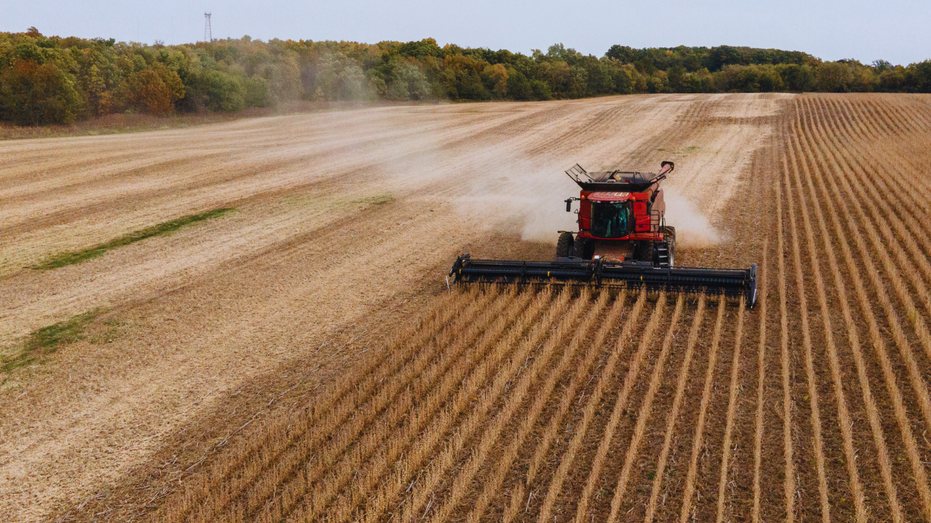
Rural districts across America shifted noticeably toward Democrats in the 2026 midterm elections, with the change most visible in traditional Republican strongholds. Rural areas moved more than 15 points toward Democrats, and Republicans lost ground in Iowa, South Carolina and Kansas. In Kansas, a Democrat won a Senate seat from the state for the first time since 1932.
According to a poll, about 75 percent of rural voters rate the local cost of living as fair or poor. Nearly half of them worry about paying rent or their mortgage. For many small-town residents this is not an abstract political issue but a daily financial problem that affects the family budget and plans for the future. According to the article's logic, this dissatisfaction was one of the main factors behind the shift in votes, as rural voters expected concrete help from Republicans rather than just political slogans.
Farmers and cattle ranchers explain their dissatisfaction with rising costs. Total spending on agricultural production in 2026 is forecast at about 493 billion dollars, up 4.5 percent. At the same time, farmers' net income adjusted for inflation is projected to fall 5.5 percent. The number of bankruptcies of family farms rose 46 percent in 2025, and behind these figures are specific farms that could not withstand the pressure of costs.
Equipment has become one of the most painful expense items. A flagship John Deere combine cost about 454 thousand dollars in 2012; now its price exceeds 1.1 million dollars. Cattle producers, for their part, report that their production costs have risen almost 30 percent since 2020, despite record cattle prices. At the same time, four companies buy about 85 percent of steer and heifer purchases, which limits choices for the ranchers themselves and forces them to sell on the terms of large buyers.
Tariffs have also added costs. They raised the price of imported machinery, steel and agricultural supplies, that is, the things a farmer cannot work without. Direct government farm payments for this year are forecast at 47.4 billion dollars, but they do not compensate for rising costs for many farms, especially those buying equipment and materials at the start of the season.
Separately, the article discusses forests and extraction, which are also part of the rural economy. Timber volumes from national forests fell from 12.6 billion to 2.7 billion board feet between 1988 and 2024. Opening a new mine in the United States takes almost 29 years. Coal production is forecast to fall 2 percent in 2026, and diesel, despite record oil production, is expected to cost an average of 5.25 dollars per gallon. For rural communities, where trucks, tractors and combines run on diesel, this means that every trip to the field or the market keeps getting more expensive.
The Trump administration has proposed repealing the 2001 roadless rule, adopted under Clinton. The repeal process has not yet been completed. The Senate is also expected to consider bills, including the Bipartisan American Affordability and Jobs Act, as well as proposals on the Endangered Species Act, permitting systems, the Equal Access to Justice Act and meat inspection rules. It is currently unknown whether these reforms will pass Congress, and their fate will determine whether rural voters feel real relief before the next elections.
Source: foxnews.com
41