3 minPolitics
Rogers Sees Opening With Key Democratic Voter Blocs in Michigan Senate Race
With two weeks until the midterms, Republican Senate candidate Mike Rogers is courting traditionally Democratic voting blocs in Michigan while warning that his opponent's agenda is too extreme for the state.
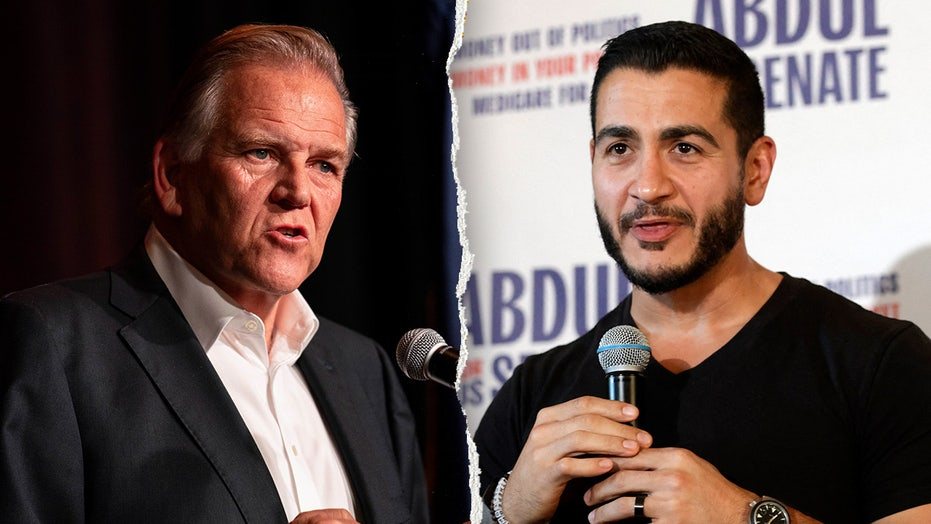
Republican Senate candidate Mike Rogers is making a direct appeal to traditionally Democratic voting blocs in Michigan, arguing that his party has an opening with voters who feel their economic interests have been overlooked. With two weeks remaining until the midterms, Rogers is framing the race around what he describes as the extreme agenda of his Democratic opponent, El-Sayed, and warning Michigan voters that the state cannot afford a shift toward policies he says go beyond the mainstream.
The contest has drawn national attention as Republicans look to flip a Senate seat in a battleground state that has tilted narrowly in recent cycles. Rogers, a former congressman and intelligence committee chairman, has centered his closing argument on affordability, public safety, and the economy — themes Republican candidates across the country are pressing as voters cite inflation and household costs as top concerns. His campaign's focus on Democratic-leaning blocs suggests internal polling or voter-contact data showing softness in parts of the traditional Democratic coalition, particularly working-class and union households that have drifted toward Republicans in recent elections.
Democrats, for their part, have sought to portray Rogers as out of step with Michigan voters and tied to a national Republican agenda they say threatens Social Security, Medicare, and abortion rights. The race is one of a handful that will determine control of the Senate, and both parties have poured resources into the state. Outside groups have spent heavily on advertising, and surrogates from both national parties have made repeated visits to the state in the final stretch.
The broader political environment has been shaped by a flurry of late-cycle developments. President Trump is scheduled to travel to North Carolina in the final two weeks as Republicans seek to energize their base, while a top Trump ally has warned that the Republican Party would be «dead» if it loses a key voting bloc. In West Virginia, Senator Joe Manchin delivered a stinging rebuke to Senate Majority Leader Chuck Schumer with a surprise campaign stop, underscoring continued friction within the Democratic coalition. Strategist James Carville has warned that a slim Democratic majority would leave the House «hostage» to the party's progressive wing, a message Republicans are amplifying in competitive races.
For Rogers, the closing argument is aimed at voters who may be open to a Republican message but have historically backed Democrats. His campaign has emphasized that Michigan's Senate seat could tip the balance of power in Washington, and that the state's voters should weigh the practical consequences of their choice rather than party loyalty. Whether that appeal translates into support from the Democratic blocs his campaign is targeting will be tested when polls close in two weeks.
5