4 minPolitics
Penn professor calls for Supreme Court packing litmus test for Democratic candidates
University of Pennsylvania professor Michael Mann is calling for all Democratic candidates to pledge to expand the Supreme Court, a proposal that has drawn criticism from legal scholars who say it reflects a growing push to reshape the judiciary.
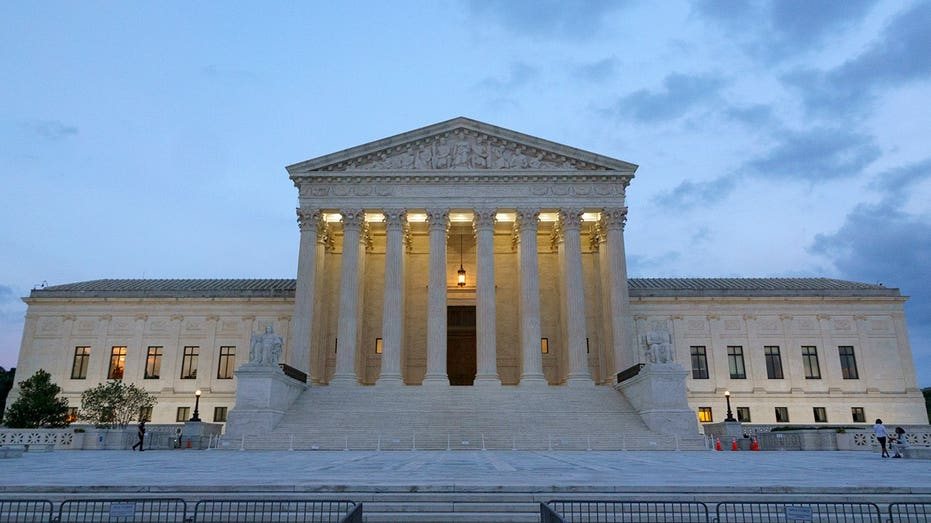
University of Pennsylvania professor Michael Mann is calling for all Democratic candidates to face a litmus test on expanding the Supreme Court, a proposal that has reignited debate over the future of the judiciary and its role in American governance.
In a recent podcast interview, Mann, who serves as vice provost for Climate Science, Policy, and Action, said Senate candidates should be required to commit to adding seats to the court. «When it comes to Senate races, there should be a litmus test,» Mann said. «It isn’t just good enough to be a Democrat. You’ve got to be a Democrat who would be willing to expand the Supreme Court.» He added that «there’s no way not to be partisan» on the issue, arguing that those concerned about environmental policy must support Democrats who back the expansion.
The proposal has drawn sharp criticism from legal analysts who argue it reflects a broader effort to neutralize the court as a barrier to progressive policies. Critics point to a 2024 Supreme Court ruling that overturned the Chevron doctrine, which had previously required courts to defer to federal agencies’ interpretations of ambiguous statutes. Mann described the decision as one that stripped the Environmental Protection Agency of its authority to make rules based on science, a characterization that legal experts say misstates the ruling. The Court in Loper Bright Enterprises v. Raimondo held that courts should review agency decisions without the prior presumption in favor of agency interpretation, restoring traditional judicial review rather than eliminating agency rulemaking authority.
Mann’s call comes amid a wider push by some Democratic figures to expand the Court. Former Vice President Kamala Harris and former Transportation Secretary Pete Buttigieg have both voiced support for structural changes to the judiciary. Sen. Elizabeth Warren of Massachusetts has also renewed her previous calls to pack the Court, describing it as illegitimate when it issues rulings against «widely held public opinion.»
Legal scholars note that expanding the Court would require legislation and would likely face significant political hurdles. Critics argue that such a move would undermine the Court’s independence and turn it into a partisan institution. «Once packed, the court could greenlight a variety of unconstitutional measures,» wrote Jonathan Turley, a law professor at George Washington University, in a column on the proposal. Turley and others have warned that the push reflects a broader agenda to remove constitutional barriers to policies such as wealth taxes, reparations, and climate regulations.
Mann has had his own legal conflicts with the courts. He was sanctioned last year after winning a defamation case against bloggers Rand Simberg and Mark Steyn over attacks on his climate research. A D.C. Superior Court judge reduced the punitive damages award against Steyn to $5,000, finding the original award «grossly excessive.» The court later sanctioned Mann and his legal team for what it called «bad-faith trial misconduct,» citing alleged misrepresentations about grant income and losses. The court ordered Mann to pay $1.1 million of his critics’ legal expenses.
The litmus test proposal has become the latest flashpoint in the ongoing debate over the Court’s composition and its role in American democracy. Supporters argue that expansion is necessary to counter what they see as a partisan judiciary, while opponents contend that it would erode the separation of powers and set a dangerous precedent for future political cycles.
57