4 minPolitics
Patriot License Debate Turns on Sensitive Seeker Technology
A White House promise to Ukraine is now subject to the slower rules of defense exports, classified technology and wartime industrial security.
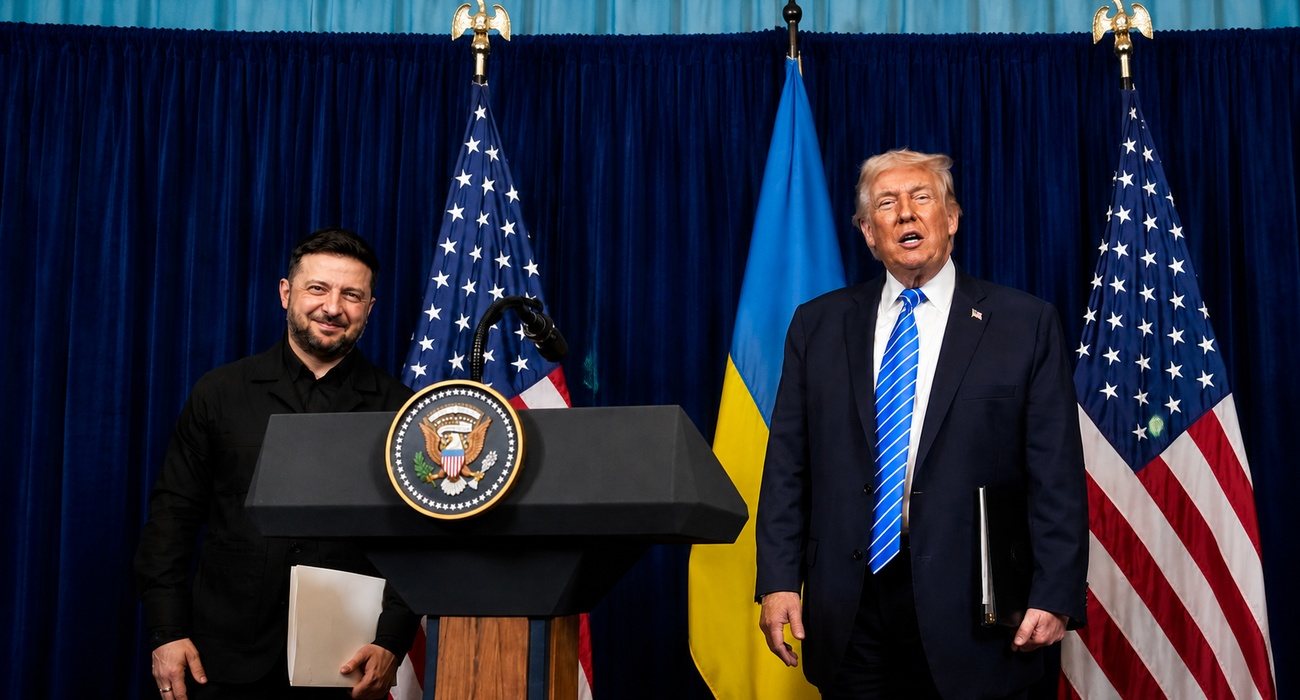
The U.S. decision to let Ukraine produce Patriot interceptors has entered the part of defense policy where a presidential commitment must be translated into export licenses, technical boundaries and secure factories. The Telegraph reports that officials inside the Trump administration are disputing how far the arrangement should go because of the PAC-3 Ka-Band Active Radar Seeker built by Boeing.
President Donald Trump announced the policy publicly on July 8 while meeting Ukrainian President Volodymyr Zelenskyy at the NATO summit in Ankara. The statement was significant, but it did not specify what “make Patriots” meant. The Associated Press reported that a license could cover final assembly from imported kits, selected components or a much broader production package. Each version creates a different level of technology transfer.
The active radar seeker is among the most sensitive possibilities. Boeing describes the seeker as the component that detects and tracks a target during the terminal phase and supplies information to the missile’s onboard guidance system. PAC-3 is a hit-to-kill interceptor, designed to collide directly with an incoming threat. That makes the seeker’s performance central to defeating fast ballistic missiles rather than a peripheral electronic feature.
According to The Telegraph, administration officials are concerned that giving Ukraine the full manufacturing package could increase the chance that Russia obtains the technology. Licensing would require Washington to identify factories, workers and subcontractors with access to drawings, software and specialized production knowledge. In a country at war with Russia, those access points carry risks from espionage and cyber operations as well as from direct military attack.
The geographic question is therefore part of the policy question. AP noted in July that a Patriot factory in Ukraine would become a priority Russian target. The Telegraph now reports that Germany or another European state is being considered as a possible production site. The newspaper says Under Secretary for Policy Elbridge Colby supports that option. An overseas site would be safer from direct Russian strikes, but it would still operate under U.S. export controls and would require a carefully defined chain of custody for sensitive components.
The industrial base is expanding while policymakers argue. Boeing announced a seven-year framework in April to triple PAC-3 seeker production and said it has invested more than $200 million in Huntsville since 2024. Lockheed Martin is separately planning to increase PAC-3 MSE annual capacity from roughly 600 to 2,000 missiles. Those increases could allow the United States to retain control of the seeker while supplying it in larger numbers to a licensed assembly line abroad.
Foreign experience shows why the timeline matters. Japan entered a licensed PAC-3 arrangement in the mid-2000s and successfully tested a missile assembled in Japan in 2008. Germany has a major new Patriot program as well, but its 2024 contract through COMLOG is for GEM-T missiles derived from PAC-2, not proof that Germany has received the full PAC-3 seeker manufacturing package.
Ukraine’s immediate air-defense needs will still depend on deliveries from existing factories. The AP estimate for establishing even a pilot line starts at 18 to 24 months. The policy decision now before Washington is about the years after that: whether Ukraine gains a durable manufacturing role, where that role is located and how much of the PAC-3’s most sensitive technology the United States is willing to share.
71