An Oregon ballot measure that would have removed legal protections for hunting, fishing, ranching, and other traditional animal-related activities has failed to qualify for the November election after state officials determined that supporters did not submit enough valid signatures. The Oregon Secretary of State's Office announced that Initiative Petition 28, also known as the PEACE Act, received more than 142,000 signatures, but only 104,262 were verified as valid. That left the campaign roughly 13,000 signatures short of the 117,173 required to secure a spot on the ballot.
The proposal, formally titled the People for the Elimination of Animal Cruelty Exemptions Act, would have eliminated existing exemptions in Oregon's animal-cruelty statutes that protect lawful hunting, fishing, trapping, ranching, farming, pest control, and standard animal-husbandry practices. Under the measure, killing or injuring an animal would have been classified as abuse unless it was done to prevent immediate harm to a person or another animal. That meant activities such as harvesting deer, keeping fish, processing cattle, commercial fishing, and controlling pests could have led to criminal charges.
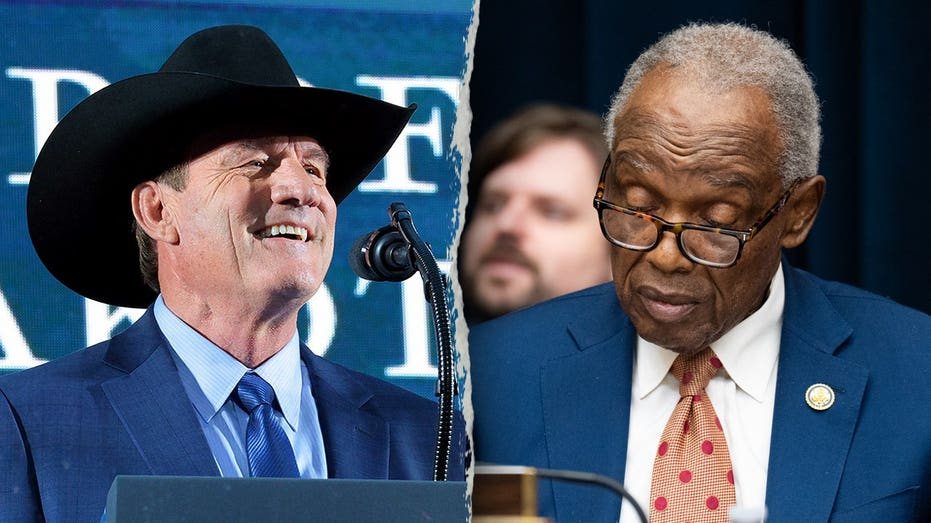
Opposition to the initiative was unusually broad and bipartisan. Governor Tina Kotek said she wasrelieved
the measure failed to qualify and argued it would have done nothing to help Oregonians. U.S. Senator Jeff Merkley, all 37 Democrats in the Oregon House, and numerous Republican lawmakers spoke out against it. The Oregon Farm Bureau, the Oregon Veterinary Medical Association, and the Oregon Hunters Association also opposed the proposal. Travis Thompson, a conservation advocate who helped lead a successful campaign in Florida to establish a constitutional right to hunt and fish, noted that IP28 was so extreme that it united political factions that rarely agree.
Beyond the immediate legal implications, opponents argued that the measure would have undermined Oregon's wildlife-management system. Hunters and anglers provide substantial conservation funding through license sales and federal excise taxes on firearms, ammunition, archery equipment, and fishing gear. Those dollars support habitat acquisition, boat-ramp maintenance, wildlife research, species restoration, and public recreation programs. Eliminating hunting and fishing would not eliminate the need for wildlife management, but would shift the financial burden onto taxpayers. Without regulated hunting, growing wildlife populations can cause habitat destruction, disease, starvation, crop damage, and vehicle collisions. The measure also did not include a broad exemption for removing invasive species, which would have created additional ecological risks.
The failure of IP28 reflects a broader national debate. In some states, activists are attempting to restrict hunting, fishing, trapping, and the use of live bait. In others, sportsmen are working to pass constitutional amendments that recognize the right to hunt and fish. Florida became the 24th state to adopt such a protection when voters approved Amendment 2 in 2024 with 67.4% support. Thompson and the International Order of Theodore Roosevelt are now working with lawmakers and advocates in states including Ohio, Colorado, Delaware, and New Hampshire. These amendments do not override wildlife regulations but create a higher legal threshold for efforts to eliminate hunting and fishing altogether.
Chief petitioner David Michelson, who led the IP28 campaign, has previously pursued similar initiatives. The fact that the campaign submitted more than 142,000 signatures — despite the proposal being widely considered extreme — suggests the issue is unlikely to disappear. Many supporters were first-time petitioners, and the fight over animal-rights exemptions in Oregon may continue in future election cycles. For now, hunters, anglers, and farmers in the state can continue their activities without facing the threat of criminal prosecution under the defeated measure.