4 minPolitics
New York Mayor Mamdani Faces Scrutiny Over Evasive Responses on Key Political Issues
New York City Mayor Zohran Mamdani, a self-described democratic socialist, has a history of avoiding direct answers on topics ranging from his definition of the working class to his stance on international conflicts, drawing criticism from both parties as he rises as a national figure.
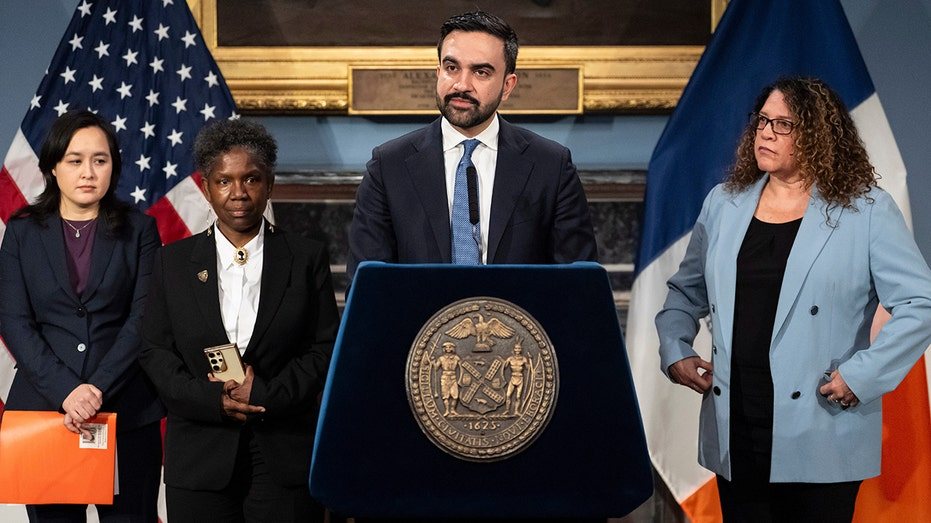
New York City Mayor Zohran Mamdani has developed a pattern of sidestepping direct questions about his political positions, a tendency that has drawn increasing scrutiny as the self-described democratic socialist ascends to national prominence. Since winning the Democratic primary and the mayoralty, Mamdani has faced pushback from both Republicans and Democrats who argue his rhetoric and policy proposals are too radical for mainstream politics.
In a mid-July interview with New York Times journalist Lulu Garcia-Navarro, Mamdani was pressed on how the Democratic Socialists of America (DSA) define the working class. When asked whether someone earning $250,000 annually qualifies as working class, Mamdani initially responded that those who work to pay bills fit the description. After further questioning, he eventually drew the line at an annual income of about $1 million, though he later argued that such definitions are not the central focus of his political movement.
Mamdani’s evasiveness extends beyond domestic policy. During a podcast appearance earlier this year, host Jillian Superstar asked whether he would run for president if eligible. Mamdani, who was born in Uganda and is thus ineligible, deflected by praising his role as mayor of New York City. Superstar remarked that he could teach a master class on dodging questions.
The mayor also faced criticism for his response to the death of Iranian Supreme Leader Ayatollah Ali Khamenei, who was killed in an Israeli military strike in Tehran. When asked whether Iran is better off without the dictator, Mamdani acknowledged the regime’s systematic repression and its killing of thousands of protesters but declined to answer directly. Instead, he warned against the consequences of U.S.-led regime change, referencing past conflicts in the region.
Mamdani’s social media posts have further fueled controversy. He condemned the U.S. and Israeli attack that killed Khamenei as a catastrophic escalation in an illegal war of aggression, stating that Americans do not want another war in pursuit of regime change. The statement drew backlash from critics who viewed it as insufficiently critical of the Iranian regime.
In November, Mamdani avoided commenting on a House resolution condemning socialism, which passed with bipartisan support just hours before his meeting with President Donald Trump. When asked about the vote, he replied that he was focused on preparing for the meeting and advocating for New Yorkers.
Perhaps the most notable example of Mamdani’s evasiveness came during his mayoral campaign, when he refused to condemn the phrase «Globalize the intifada,» which is associated with violence against Israel. Despite repeated questions, he avoided taking a clear stance, a move that drew sharp criticism from pro-Israel groups and some Democratic allies.
Mamdani has led a broader shift in Democratic Party politics, backing three far-left New York congressional candidates who recently ousted more establishment incumbents in primary contests. This growing divide has prompted longtime strategist James Carville to propose a schism to prevent such candidates from taking over the party.
Critics argue that Mamdani’s reluctance to clarify his positions undermines transparency and accountability. Supporters, however, contend that his focus remains on representing working-class New Yorkers and challenging entrenched political norms. As Mamdani continues to rise as a national figure, the pressure to provide clear answers on key issues is likely to intensify.
85