3 minPolitics
Military leaders warn Hegseth that Iran operation is unsustainable
Senior U.S. military leaders have told Defense Secretary Pete Hegseth that the ongoing operation against Iran has become "too much for too long," warning that the prolonged conflict is putting the American homeland at risk and straining the armed forces.
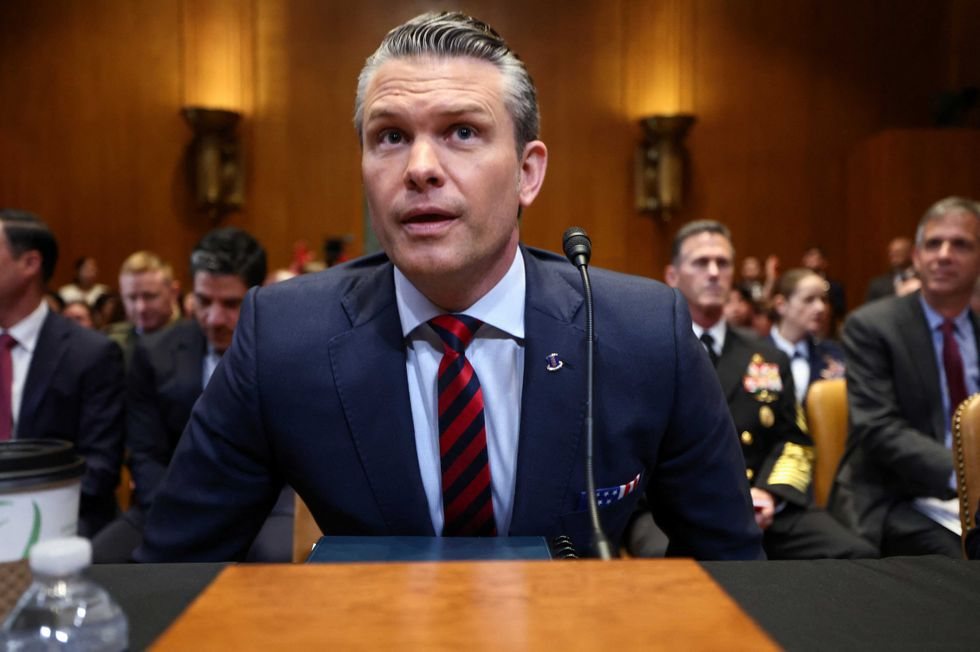
Senior U.S. military leaders have warned Defense Secretary Pete Hegseth that the ongoing operation against Iran has become unsustainable, according to sources familiar with the discussions. The warnings, delivered through the Aug. 14 edition of the Secretary of Defense Orders Book, reflect growing concern among top commanders that the conflict, now at the six-month mark, is putting the U.S. homeland at risk.
"Overall, the tenor from the military leadership is that the ongoing Iran operation, having reached the six-month mark, has been 'too much for too long,'" an insider told the Washington Post. "Certain generals and admirals were more expansive and frank than is usual in telling Hegseth they disagreed with orders to keep providing equipment and personnel when the operation's trajectory remains uncertain."
The Army, Navy, Air Force, and the four-star commanders overseeing U.S. operations abroad delivered these concerns directly to Hegseth. At the heart of the issue is President Donald Trump's effort to reopen the Strait of Hormuz, which has required military action to remain a possibility. That means U.S. Central Command, the headquarters responsible for prosecuting the war, must keep 50,000 troops on alert for months.
The Aug. 14 orders book directs some troops deployed in the Middle East to remain there through September, and some others into 2027. The prospect of extending those forces further compelled military leaders to voice their concern, the sources said.
The strain is being felt beyond the Middle East. U.S. operations in Europe, Asia, and Latin America have lost ships, aircraft, and other equipment to the conflict, limiting their ability to conduct missions. The Navy, in particular, has had to stretch its capacity to keep up with wartime demands.
The warnings reveal the precarious situation the administration now faces. "The military's warning to Hegseth offers new insight into the administration's dilemma as Trump seeks to end the conflict on terms favorable to the United States," the report states. "Iran, cognizant of the war's unpopularity with most Americans and its mounting toll on the U.S. arsenal, refuses to capitulate."
The internal dissent marks a significant moment in the relationship between the Pentagon leadership and the Defense Secretary. Military leaders are typically reluctant to openly challenge orders, but the sustained nature of the operation and its uncertain trajectory have prompted unusual frankness in their communications with Hegseth.
The situation presents a difficult choice for the administration: continue the operation at the risk of further straining the military and exposing the homeland to potential threats, or seek a negotiated end to the conflict that may not meet the president's stated goals. With Iran refusing to capitulate and the American public growing weary of the war, the path forward remains unclear.
73