4 minPolitics
Mamdani pressed on antisemitism and Oct. 7 rhetoric at DealBook Summit
New York City Mayor Zohran Mamdani was questioned by Andrew Ross Sorkin at the New York Times DealBook Summit over his choice of language about Oct. 7 and the rise of antisemitism, as Jewish New Yorkers voice concern about the current climate.
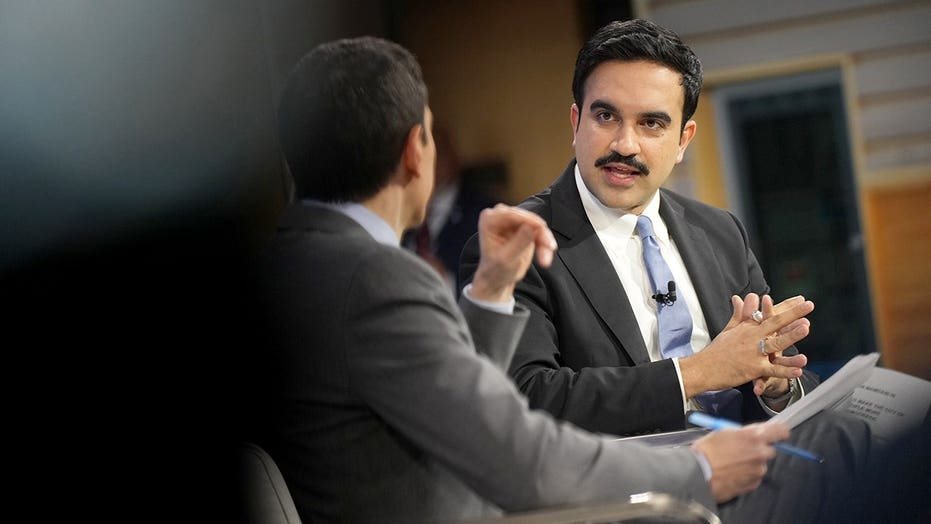
New York City Mayor Zohran Mamdani faced sharp questions on Wednesday about his language on the Oct. 7 Hamas attack and his efforts to combat antisemitism, during an onstage appearance at the New York Times DealBook Summit. Moderator Andrew Ross Sorkin pressed him on whether his words carry extra responsibility when Jewish New Yorkers are already fearful of the current climate in the city.
The focus of the exchange was a social media post Mamdani published to commemorate the anniversary of the Oct. 7 attack, which killed roughly 1,200 Israelis. Sorkin argued that the post devoted more words to the plight of Palestinians and Israel's military response in Gaza than to the victims of that day. He noted that the head of the Reform Jewish movement had said at the time that the statement made New Yorkers less safe, and cited a rabbi who asked whether the city could simply have one day of mourning without a political turn. Sorkin also cited a statistic that roughly 53 percent of hate crimes in New York City target Jews, even though Jewish residents make up about 10 to 12 percent of the population.
Mamdani rejected the premise that his post captured his full position. He said the message did not cover the entirety of the day, which included a vigil for the victims that he attended, and noted that he was also protested for taking part in it. «My politics is one that believes that there has to be room to mourn everyone,» he said. He added that he would oppose violations of international law no matter who committed them, and said he had described Oct. 7 as a war crime and had been critical of the Israeli government. He also called the hate crime statistic unacceptable, saying he was proud to be the mayor of what he described as the most Jewish city in the United States and that rooting out antisemitism and all forms of bigotry was a central responsibility of his office.
Sorkin followed up by asking whether Mamdani would ever post a single statement on Oct. 7 condemning the attack and then wait until the next day to criticize Israel's handling of the situation. The question drew applause from the audience. Mamdani responded that when the Israeli government is accused of conducting a genocide against Palestinians, the defense often offered is the link to Oct. 7, and that the date was both a horrific war crime and a day later used to justify what followed. He said it was important to mourn the full impact of the day. He acknowledged that he understood the other side of the argument but maintained his stance, saying his politics rested on universal values of empathy and that he would extend the same commitment to Palestinian rights.
The exchange took place as Mamdani has faced continued scrutiny over his positions on Israel and Palestine, including criticism of an antisemitism plan from some rabbis who argued it did not address what they see as a key driver of hate crimes. Mamdani said that Jewish New Yorkers, like residents of other faiths or none, may disagree with him on those issues, and that his job remains to deliver for all of them.
Source: foxnews.com
41