6 minPolitics
Lawmakers Split on Congressional Term Limits Amid Health Concerns
Amid recent health scares and deaths of senior members, U.S. lawmakers are divided on implementing term limits, with some arguing for voter choice and institutional expertise, while others push for constitutional amendments to cap service.
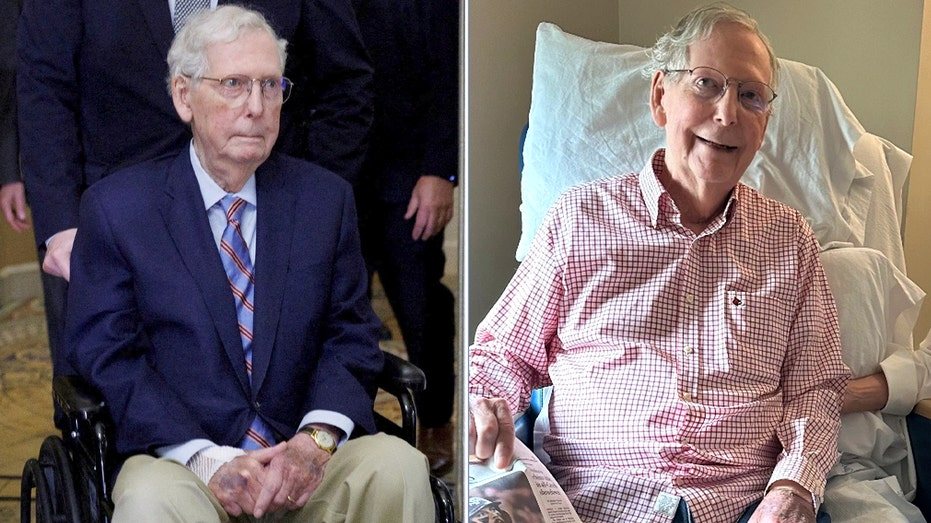
Amid renewed scrutiny over the age and health of members of Congress, lawmakers are expressing sharply divided views on whether to impose term limits on federal elected officials. The debate has been reignited by a series of recent health incidents, including the unexpected death of Senator Lindsey Graham of South Carolina at age 71, as well as extended absences by Senate Minority Leader Mitch McConnell of Kentucky, 84, and Representative Tom Kean Jr. of New Jersey, 57. These events have prompted a broader discussion about the capacity of aging legislators and whether structural reforms are needed to ensure effective governance.
Senator Tim Sheehy, a Republican from Montana, argued that voters should retain the ultimate authority to decide who represents them. “The voters will decide who they want. We have term limits, and we have age limits and that is the voter. And if they decide they want to elect an 80-year-old or 100-year-old that's up to the voters,” Sheehy said. His position reflects a longstanding argument that term limits would infringe on democratic choice and remove experienced lawmakers who have accumulated valuable institutional knowledge.
Representative Glen Grothman, a Republican from Wisconsin, echoed that sentiment, specifically referencing Senator Chuck Grassley of Iowa, who at 92 is the oldest serving member of Congress. “I think the voters — when they’re electing, if they want to elect Grassley, you shouldn’t take that right away from them,” Grothman said. Grassley remains in good health, but his advanced age has become a symbol in the debate over whether Congress has become a gerontocracy.
Senator Mark Warner, a Democrat from Virginia, acknowledged that lawmakers should recognize their own personal limits but stopped short of endorsing a one-size-fits-all policy. “People ought to know when it’s time to step aside,” Warner said. “I’ve never been a big supporter of legislative term limits. I’ve served two terms in every position I’ve held until this one. I’m in my third term, but I’ve kind of limited myself before because I feel like you should make opportunities for others. And there’s always a trail on the pool of people who are willing to do it.” Warner’s comments highlight a middle-ground approach where individual self-restraint, rather than a constitutional mandate, guides tenure.
On the other side of the debate, Senator Ted Cruz, a Republican from Texas, argued forcefully for term limits as a necessary check on concentrated power. “I’d like to see limits on everybody. And the best limit would be term limits and that’s what we should pass,” Cruz said. “I’ve authored a constitutional amendment that would limit all senators to two terms and limit all House members to three terms. An overwhelming majority of Americans support that, and that would solve the problem effectively because you wouldn’t have people staying here forever.” Cruz’s proposal reflects a long-standing populist push to break what many see as a permanent political class.
Senator Roger Marshall, a Republican from Kansas, also voiced strong support for term limits, arguing that long tenures contradict the founders’ vision. “I’ve been in favor of term limits before I came to Congress. I think the last thing that we need are professional politicians up here. I don’t think that the founding fathers ever meant for it to be that way. Too much power invested in one person — absolute power corrupts absolutely,” Marshall said. His remarks tap into a broader public sentiment that career politicians become disconnected from constituents and more focused on self-preservation.
The issue of term limits has been a recurring theme in American politics, with polls consistently showing broad public support. However, previous efforts to enact a constitutional amendment have stalled in Congress, where incumbents are naturally reluctant to limit their own careers. The recent health scares have given the debate new urgency, but the path to any legislative change remains uncertain. Critics of term limits warn that they could lead to a loss of expertise, making Congress more dependent on lobbyists and staff, while proponents argue that fresh perspectives and accountability are worth the trade-off.
As the 118th Congress continues, the conversation over age, health, and tenure is likely to intensify, especially with the 2024 elections approaching. The deaths and absences of senior members have underscored the physical demands of the job and raised questions about whether the current system adequately prepares for succession. For now, lawmakers remain split, with no consensus on whether term limits are the solution or whether the ballot box should remain the ultimate arbiter of political longevity.
81