5 minPolitics
Jewish American Security Act Remains in Committee as Security Debate Grows
The bipartisan legislation would expand nonprofit security grants and require a broader federal response to antisemitism, but neither chamber has passed it.
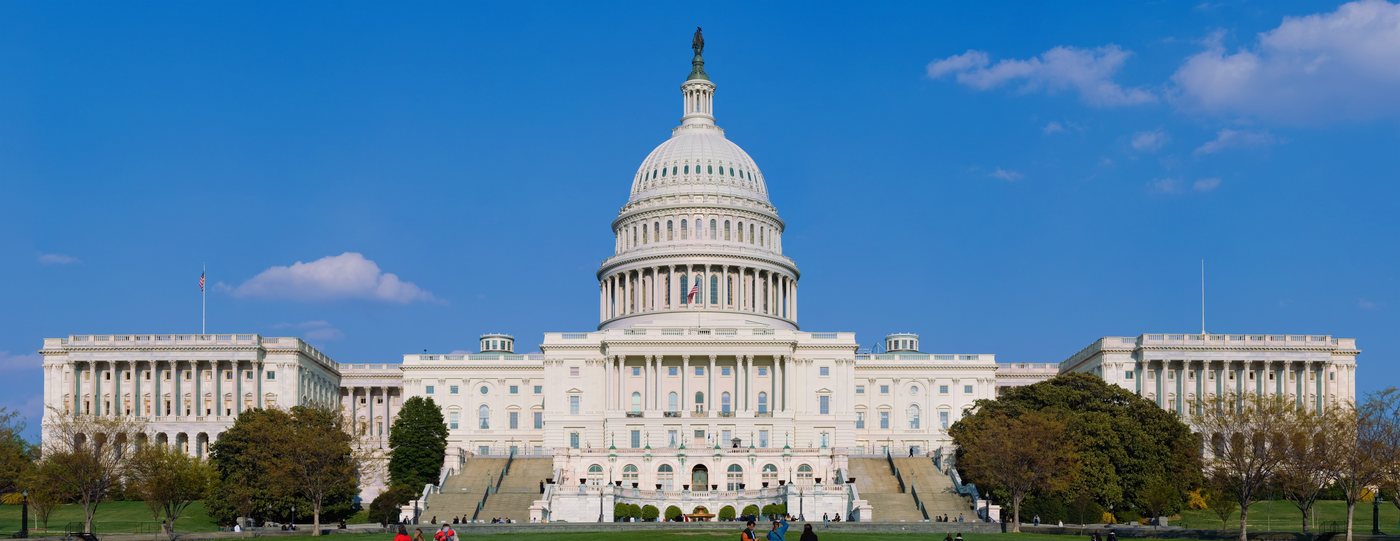
Congress is considering a bipartisan package that would expand federal security support for Jewish institutions and create new responsibilities across law enforcement, education, intelligence agencies and major online platforms. Despite its broad scope, the Jewish American Security Act has not yet passed either chamber.
Sen. Jacky Rosen, D-Nev., introduced S.4576 on May 19, 2026, with a bipartisan group of original cosponsors that includes Sen. James Lankford, R-Okla. Rep. Daniel Goldman, D-N.Y., introduced the House companion, H.R.9211, on June 9 with bipartisan cosponsors including Rep. Mike Lawler, R-N.Y.
The legislation states that its purpose is to strengthen federal efforts to counter antisemitism in the United States and protect the Jewish community. The central security provision would raise the authorized level for the Nonprofit Security Grant Program to $1 billion in each fiscal year from 2027 through 2031, divided between the program’s urban-area and state components.
That proposal does not appropriate $1 billion a year. Authorization sets the amount Congress permits for the program, while appropriations determine the money actually made available. Even if the bill becomes law, annual budget decisions would remain necessary.
The legislation also directs the attorney general to collaborate with state and local law enforcement to enhance security for at-risk religious institutions facing threats or religious hate crimes. Grants could be used for increased police presence, patrols, training and related assistance.
Federal threat analysis would become more regular and formalized. The FBI, Department of Homeland Security and National Counterterrorism Center would participate in assessments of domestic and transnational antisemitic violent extremism. The bill calls for public declassified versions of those assessments where possible and establishes a multi-year reporting structure.
At the Education Department, the bill would add an antisemitism coordinator and strengthen guidance and coordination around Title VI obligations. It also calls for a federal clearinghouse to share safety, security and best practices for schools and universities.
The online section would impose transparency requirements on covered platforms with at least 50 million monthly users in the United States. Every 180 days, those platforms would have to submit reports to the Federal Trade Commission and make them public, describing their moderation practices, use of human and automated review, enforcement actions and efforts to limit algorithmic amplification of antisemitic content.
Supporters point to evidence that security concerns are changing daily behavior. The American Jewish Committee’s 2025 survey found that 55% of American Jews said they had changed their behavior in at least one way out of fear of antisemitism, including 30% who said they avoided certain places, events or situations. The Anti-Defamation League’s 2025 audit counted 6,274 antisemitic incidents nationwide, including 203 physical assaults.
The bill’s scope is specifically organized around antisemitism and Jewish community security. Some of its tools, particularly the Nonprofit Security Grant Program and assistance for at-risk religious institutions, are broader and may serve eligible organizations from other faith communities as well.
Procedurally, the measure remains unfinished. S.4576 is still before the Senate Homeland Security and Governmental Affairs Committee. H.R.9211 remains in House committee review; on July 7 it was referred, among other places, to Homeland Security subcommittees dealing with counterterrorism and intelligence and emergency management and technology.
That status matters because none of the proposed new requirements or funding levels is in force. The next meaningful change will come only if committees advance the bills to the floor. Passage would then still leave Congress with the annual task of converting a $1 billion authorization into appropriated dollars available to communities.
80