4 minPolitics
Israeli Government Vows to Disobey High Court Ruling, Sparking Constitutional Crisis
For the first time, the Israeli government has declared it will ignore a High Court ruling, triggering a constitutional crisis and raising concerns about the rule of law and the balance of powers.
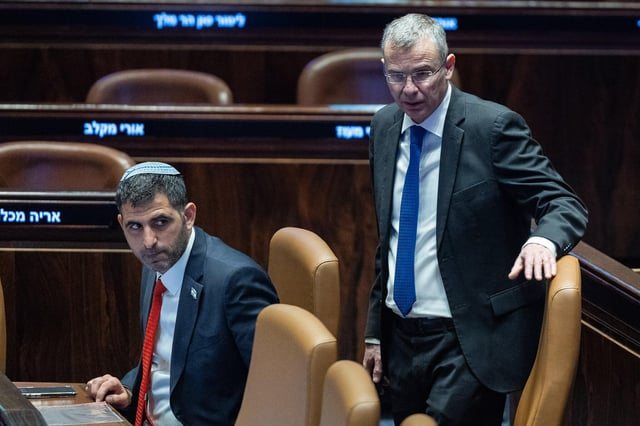
In an unprecedented move that threatens to upend Israel’s democratic framework, the Israeli government has formally declared its intention to disobey a ruling by the High Court of Justice, setting the stage for a full-blown constitutional crisis. The announcement, made by senior officials in Prime Minister Benjamin Netanyahu’s coalition, marks the first time in the nation’s history that an executive branch has openly challenged the authority of the judiciary.
The dispute centers on a High Court decision that the government has refused to implement, though the specific ruling has not been publicly detailed. Legal experts and opposition leaders have condemned the government’s stance, warning that it undermines the rule of law and the separation of powers that have been cornerstones of Israeli democracy. The crisis has deepened political divisions in a country already polarized by months of protests over proposed judicial reforms.
Prime Minister Benjamin Netanyahu, who has been a central figure in the push to limit judicial oversight, has defended the government’s position, arguing that the court overstepped its authority. Critics, however, accuse the coalition of seeking to concentrate power and erode the independence of the judiciary. The standoff has drawn international attention, with foreign governments and human rights organizations expressing concern over the potential erosion of democratic institutions in Israel.
The High Court has not yet responded to the government’s defiance, but legal analysts expect the court to issue a formal order compelling compliance, which could lead to a direct confrontation between the judicial and executive branches. If the government persists in its refusal, it could trigger a constitutional crisis with no clear resolution, potentially leading to early elections or a collapse of the coalition.
This development follows months of contentious debate over a judicial overhaul plan proposed by Netanyahu’s government earlier this year. The plan, which sought to limit the court’s power to strike down legislation and give the government greater control over judicial appointments, sparked massive protests across the country. While the government has since paused some elements of the overhaul, the current crisis suggests that tensions remain high.
Opposition leader Yair Lapid has called on the government to respect the court’s decision, warning that defiance could lead to a breakdown of democratic norms. «This is not about a single ruling,» Lapid said in a statement. «It is about whether Israel remains a democracy governed by law or descends into a system where the government is above the law.»
The crisis has also raised questions about the role of the attorney general and other legal advisors who are traditionally tasked with ensuring government compliance with court rulings. Some legal experts have suggested that the government’s defiance could lead to a constitutional convention or a fundamental restructuring of Israel’s political system.
As the standoff continues, the international community is watching closely. The United States and European Union have both urged restraint and respect for judicial independence. The crisis is likely to dominate political discourse in Israel in the coming weeks, with potential implications for regional stability and Israel’s international standing.
The government’s vow to disobey the High Court represents a significant escalation in the ongoing struggle over the balance of power in Israel. With no immediate resolution in sight, the nation faces a period of uncertainty that could reshape its political landscape for years to come.
80