4 minPolitics
Hungarian Parliament Elects Former Supreme Court Chief András Baka President
Baka won 140 of 146 ballots and is expected to be sworn in Aug. 19. His elevation follows Tisza’s election victory and the departure of President Tamás Sulyok.
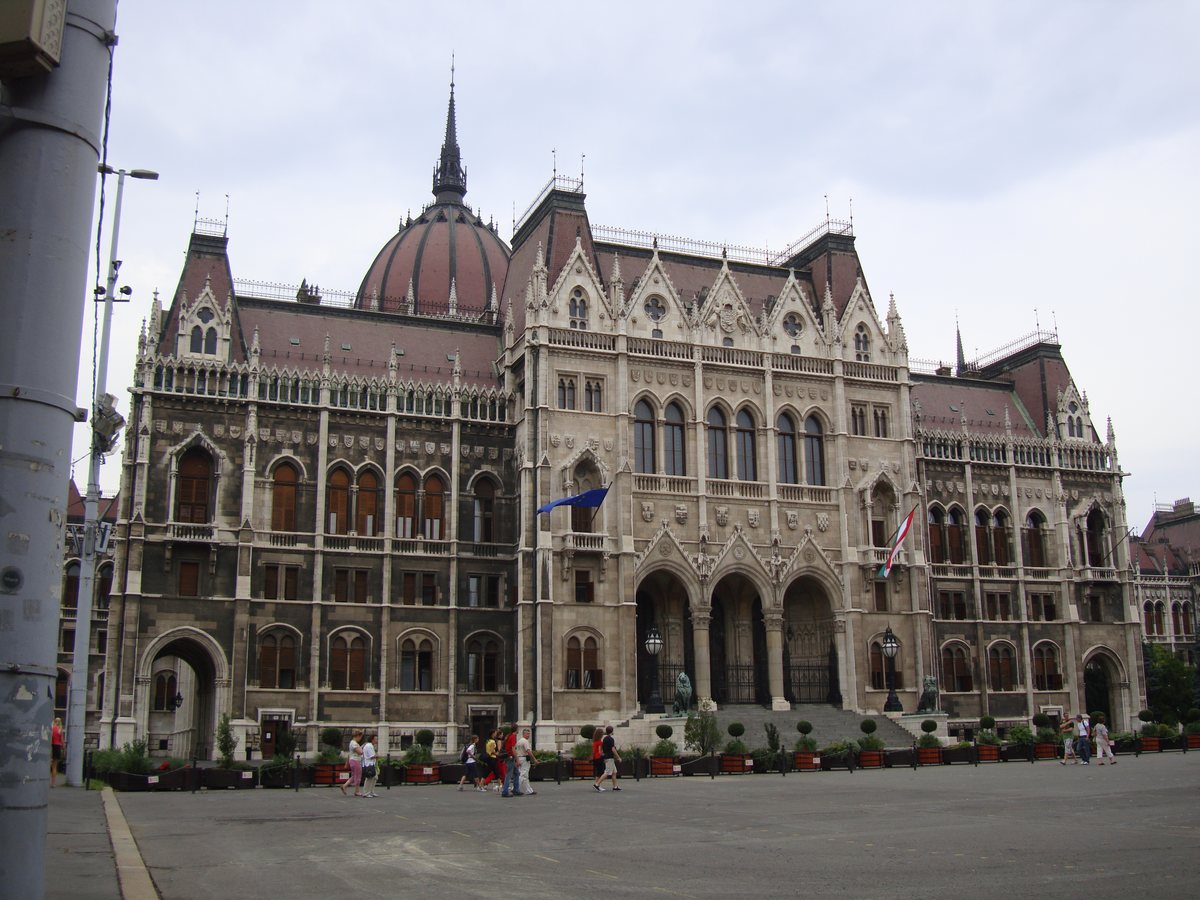
Hungary’s National Assembly elected former Supreme Court chief András Baka as president on Aug. 11, giving 140 of 146 cast ballots to a jurist whose earlier removal from the judiciary became the subject of a major European human-rights judgment. Six ballots were cast against him. Baka is expected to take office on Aug. 19.
The election follows a sweeping political transition in Hungary. Péter Magyar’s Tisza party won a two-thirds majority in the April 12 parliamentary election, ending Viktor Orbán’s 16-year tenure as prime minister. Since taking office, the new government and parliamentary majority have moved rapidly to alter institutions shaped during the Fidesz era.
The presidency was one of those institutions. Tamás Sulyok left office after a constitutional process advanced by Tisza in July. Fidesz opposed the move and boycotted the vote for Baka, arguing that the new majority is abusing its constitutional strength. Tisza says the changes are necessary to restore democratic safeguards.
Baka’s nomination was politically resonant because of his own history with the Orbán government. After years serving as a judge at the European Court of Human Rights, he was elected president of Hungary’s Supreme Court in 2009. In that role, he publicly criticized several changes affecting the judiciary.
His six-year term ended early when the Supreme Court was reorganized as the Kúria and rules governing the top judicial post changed. Baka challenged the circumstances of his removal. In 2016, the Grand Chamber of the European Court of Human Rights found violations of the European Convention in Baka v. Hungary.
The case drew attention across Europe to judicial independence and the free-speech rights of judges. It also established the institutional background that makes Baka’s return to public office unusually significant. The man whose term was cut short during one period of constitutional change is now becoming president during another.
The Hungarian presidency does not direct government policy. Executive authority rests with the prime minister and Cabinet, while the president performs primarily representative duties and has a role in the handling of legislation. That limited authority can still matter during a period of rapid constitutional change.
Baka said after his election that the presidency should be neutral and should help reduce divisions rather than deepen them. He also rejected the idea of political revenge and emphasized Hungary’s place in Europe. Those statements are notable because Tisza views his election as part of a break with the Orbán era, while Fidesz sees the broader transition as partisan overreach.
Baka’s scheduled swearing-in on Aug. 19 will complete the formal transfer. It will not end the underlying argument over how Hungary should rebuild institutions after a long period of one-party dominance. The next phase will depend on whether Tisza’s reforms create durable checks and whether Baka is prepared to use his office independently when disputes arise.
77