5 minPolitics
House Republicans Pass Save America Act, Pressure Mounts on Senate to Act
House Republicans have passed the Save America Act, a key legislative priority for President Trump, and are now urging the Senate to take action. Representative Ralph Norman argues that voters expect results, not excuses, and calls for procedural reforms to ensure accountability.
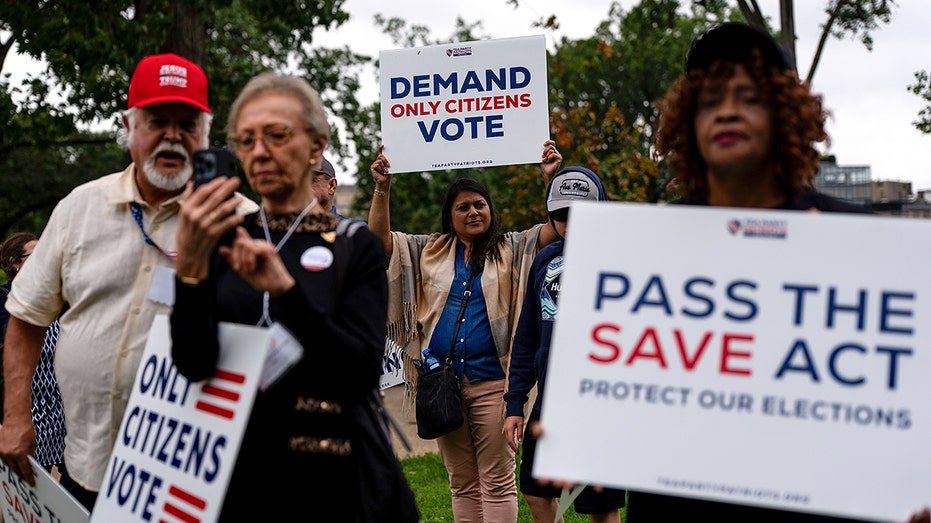
House Republicans have approved the Save America Act, a major legislative package aligned with President Donald Trump's agenda, and are now pressing the Senate to advance the bill without delay. Representative Ralph Norman of South Carolina, a vocal supporter of the measure, emphasized that the House has fulfilled its responsibility and that the burden now falls on the upper chamber to deliver on the promises made to voters.
In a recent opinion piece, Norman addressed the frustration he hears from constituents across his district, who question why Republican majorities in both chambers and control of the White House have not translated into tangible policy victories. He argued that the American people understand elections and mandates but are perplexed when Washington fails to act on its commitments. The Save America Act, which includes provisions to secure the border, restore fiscal discipline, unleash domestic energy production, and prioritize American interests, represents a direct response to the mandate voters gave Republicans in the last election cycle, according to Norman.
The legislation passed the House after debate and a vote, but its fate in the Senate remains uncertain. Norman expressed concern that too many bills supported by the president and approved by the House stall in the Senate due to procedural hurdles that obscure accountability. He called for a serious examination of Senate rules, suggesting that restoring the talking filibuster could encourage transparency and force senators to publicly defend their positions on critical legislation. This approach, he argued, would strengthen democratic debate rather than allow invisible obstruction to derail the popular will.
Norman stressed that respecting the Senate as an institution does not mean ignoring whether its current rules serve their intended purpose. He noted that the Senate was designed to encourage deliberation and protect minority viewpoints, but those traditions should not become excuses for inaction. By requiring senators to speak on the floor to block legislation, the American people would see who is standing in the way and why, fostering greater accountability in the legislative process.
The Save America Act has been designated by President Trump as one of his highest legislative priorities. Norman underscored that elections matter only if the government is willing to carry out the mandate voters have given it. He urged Republicans to consider every constitutional option available to ensure that legislation supported by the president, passed by the House, and backed by the public receives a fair opportunity to succeed in the Senate.
This push comes amid broader tensions within the Republican Party over legislative strategy. Some senators have expressed skepticism about the viability of certain provisions, and internal disagreements have surfaced over how to advance the party's agenda ahead of the midterm elections. Norman acknowledged these challenges but insisted that Republicans cannot afford to be seen as failing to deliver after years of asking voters for unified government.
The debate over Senate procedures is not new, but it has gained renewed urgency as Republicans seek to demonstrate their ability to govern effectively. Norman's call for a talking filibuster reflects a desire to force public accountability, a move that could reshape how the Senate handles contentious legislation. Critics of the current system argue that the filibuster allows a minority to block popular measures without facing political consequences, while defenders contend it protects against hasty or ill-considered laws.
For now, the ball is in the Senate's court. House Republicans have done their part, Norman concluded, and it is time for their Senate colleagues to show the same sense of urgency. The American people, he said, expect results, not explanations for why Washington cannot keep its promises.
77