4 minPolitics
Holscher wins Kansas Democratic gubernatorial primary to face Ty Masterson
State Sen. Cindy Holscher won the Kansas Democratic gubernatorial primary and will face Republican nominee Ty Masterson in November to succeed term-limited Democratic Gov. Laura Kelly.
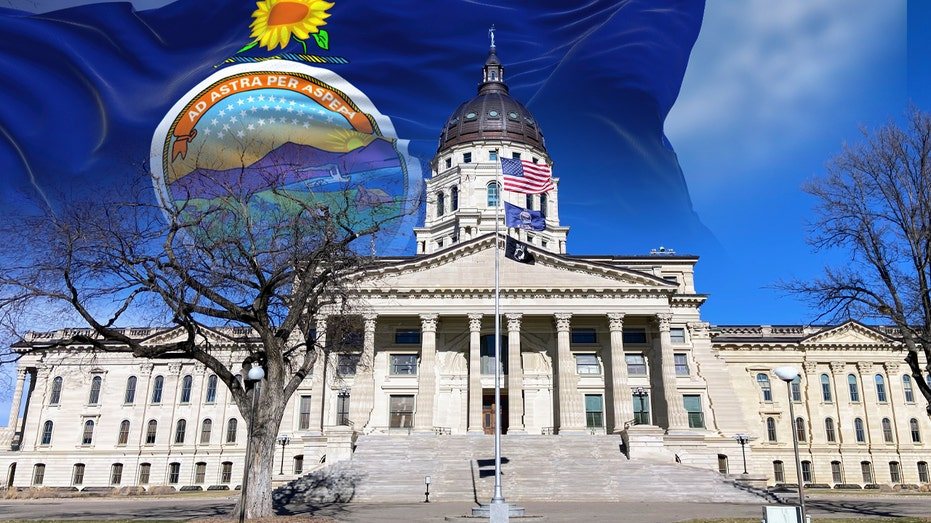
Kansas Democrats rallied behind state Sen. Cindy Holscher after she won the party's gubernatorial primary Tuesday, setting up a November matchup with Republican nominee Ty Masterson in the race to succeed term-limited Democratic Gov. Laura Kelly. The contest will decide which party controls the governor's office in Topeka for the next four years.
Holscher defeated state Sen. Ethan Corson and Overland Park Mayor Curt Skoog in the Democratic primary. Her nomination gives Democrats a standard-bearer in their effort to hold the governor's mansion in a state with a pronounced Republican lean. The Democratic field reflected the party's hope of fielding a candidate with legislative experience after two terms under Kelly, and Democrats are now uniting behind Holscher as the campaign shifts toward the general election.
Masterson, the president of the Kansas Senate, won a crowded Republican primary that featured several prominent statewide and legislative figures. His opponents included Secretary of State Scott Schwab, Insurance Commissioner Vicki Schmidt, former Johnson County Commissioner Charlotte O'Hara, businessmen Nick Reinecker and Philip Sarnecki, and former Johnson County Sheriff Stacy Rogers. The intensity of the GOP contest underscored how much Republicans want to reclaim the seat after eight years of Democratic leadership.
Republicans view the open-seat race as a prime opportunity to reclaim the governorship after two terms under Kelly. The campaign centered on familiar conservative priorities, including tax relief, education, immigration, public safety and cultural issues, as candidates sought to distinguish themselves through their leadership experience and competing visions for the state's future. Those same themes are expected to define the fall campaign.
Tuesday's primary coincided with a closely watched constitutional amendment question that asked Kansas voters whether to replace the current system of appointing Supreme Court justices with direct elections. The proposal, backed by Republican lawmakers, came after years of conservative criticism of Kansas Supreme Court rulings on issues including abortion, school funding and election law. If approved, it would amend the Kansas Constitution to require justices to be elected rather than selected through the state's nominating commission system, fundamentally changing how the state chooses judges for its highest court.
The winner of the November election will become Kansas' next governor after Kelly reaches her term limit in January. The governorship has frequently changed hands in recent election cycles, with voters alternating between Democratic and Republican leadership in Kansas despite the state's strong red tendencies. Republican voters backed President Donald Trump by 57 percent in the 2024 presidential election, an indication of the political headwinds Democrats face as they try to keep the office.
Democrats are hoping to defy the state's Republican lean and retain control of the executive branch, while Republicans consider the open-seat race one of the year's best opportunities to flip a governorship. The contest has drawn attention as one of the year's highest-profile gubernatorial primaries, and the November result will determine which party leads Kansas when Kelly steps aside in January.