4 minPolitics
Democrats win five state attorney general races that could shape tech enforcement
Democrats won five closely watched state attorney general races, a result that could reshape how states police major technology companies as scrutiny of the industry grows across party lines.
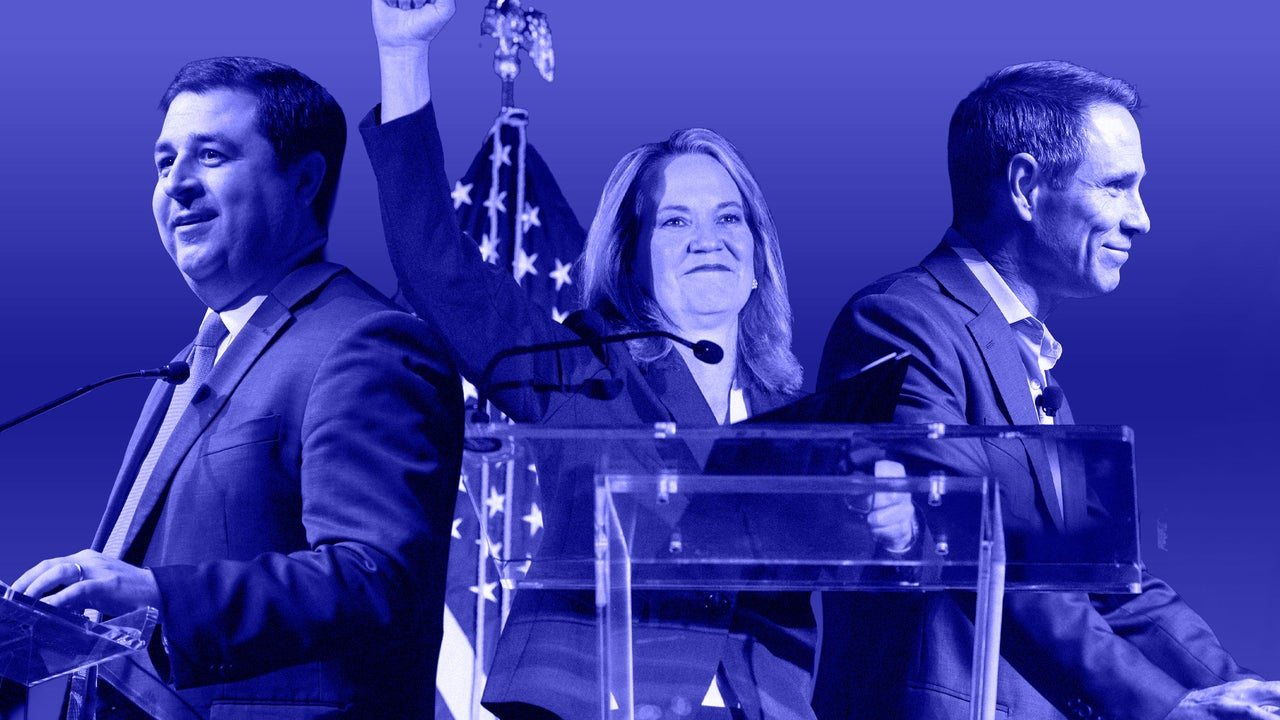
Democrats won five closely watched state attorney general races in the midterm elections, a result that could matter as much for the technology industry as many of the contests for Congress and governor. State attorneys general have become major regulators of technology companies, using investigations and lawsuits that can change products nationwide, and a shift in leadership can quickly alter enforcement priorities.
In Texas, Democrat Nathan Johnson defeated Republican Mayes Middleton. If Johnson takes office, he would be the first Democrat to hold the Texas attorney general's office since 1994. The Texas office has historically been influential in Republican-led multistate lawsuits, and Johnson has pledged to refocus it on consumer protection. In Arizona, incumbent Democrat Kris Mayes beat Republican Warren Petersen, keeping an office that has been active in multistate actions against the industry. In Wisconsin, Josh Kaul secured a third term.
In Michigan, Democrat Eli Savit beat Republican Doug Lloyd to succeed Dana Nessel, whose office has been engaged in national consumer protection and technology matters. In Nevada, Democrat Nicole Cannizzaro won an open seat. Together, the five races mean Democrats will control a larger share of the offices that can act against technology companies under existing consumer protection, deception, and antitrust laws, without waiting for new legislation from Congress.
The attorney general's role gives the office considerable reach. Its tools include investigations, civil suits and settlements, and changes to how a company operates can ripple well beyond a single state's borders. Much of the recent enforcement has focused on child online safety, with actions targeting Meta, TikTok, Snap, Discord and Roblox. Fairplay, a children's advocacy group, expects that scrutiny to continue regardless of which party holds the offices, pointing to the bipartisan nature of concern about how young people use these platforms.
The parties do bring different priorities to the issue. Republicans have focused on censorship and consumer safety, while Democrats have emphasized privacy and algorithmic discrimination. Even so, scrutiny of the technology sector has grown increasingly bipartisan, and that shared attention is a reason observers expect enforcement to remain active regardless of the outcome in any single state.
Industry groups have pushed back on the trend. The Chamber of Progress warned that litigation should not substitute for legislation, arguing that policy on technology should be set by lawmakers. Companies have also said that state enforcement can alter products that are deployed nationally, meaning a settlement or court order in one state can force changes for users everywhere.
How much the new officeholders will actually change enforcement remains uncertain. Priorities can shift quickly with new leadership, but the underlying laws and the ongoing pressure on the industry are the same, and the coming months will show whether the Democratic wins translate into a different set of cases and demands on the companies at the center of the debate.
Source: fastcompany.com
7