5 minPolitics
Democrats Urged to Focus on Energy Costs and Clean Power in 2026 Campaigns
A new analysis argues Democratic candidates can win in 2026 by shifting from climate jargon to a message focused on lowering electricity bills, opposing Trump-era policies that pay companies to cancel clean energy projects, and accelerating permitting for solar and storage.
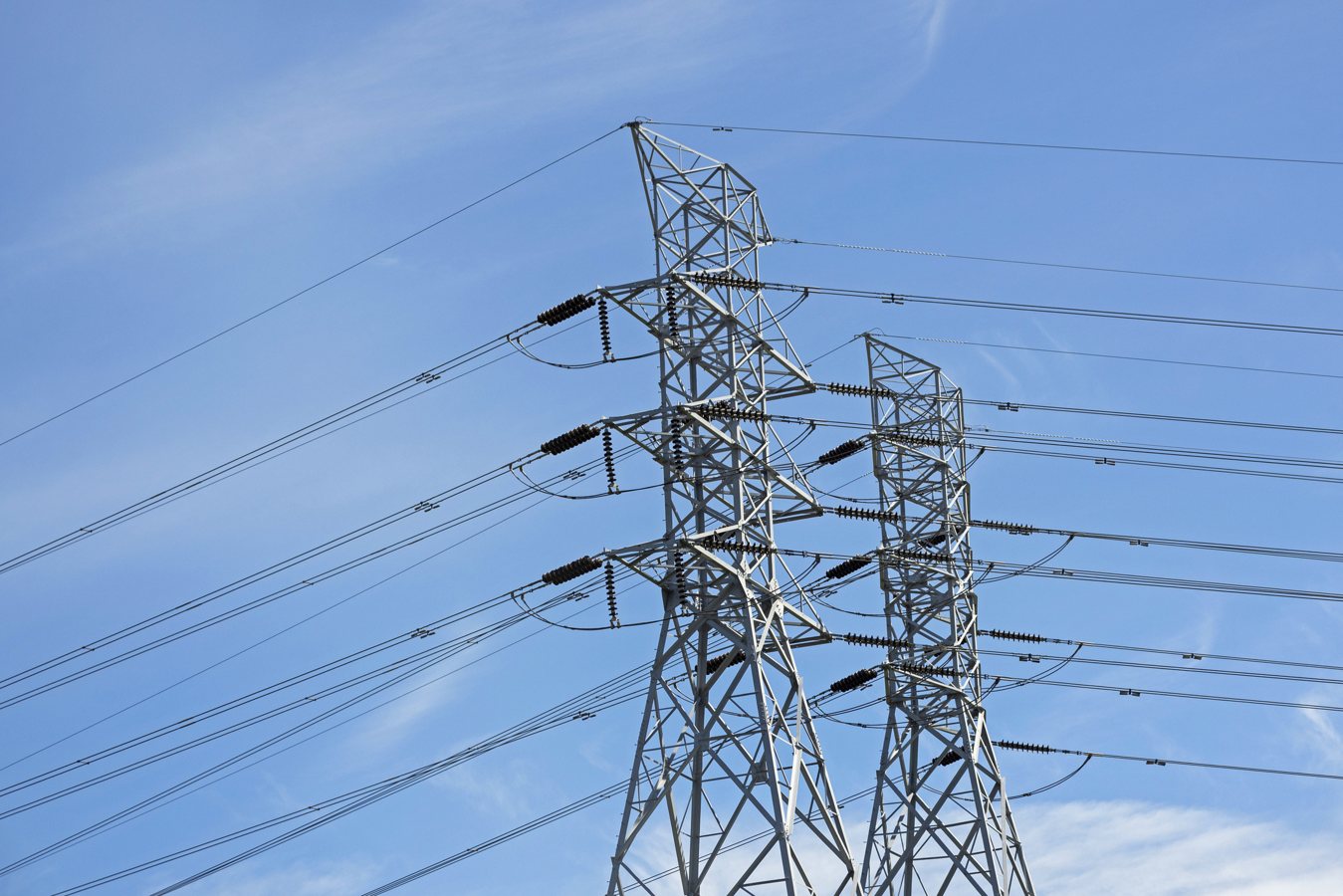
With gas prices remaining high and the Trump administration facing criticism over its energy policies, Democratic candidates are being urged to reframe their message around what voters care about most: the cost of electricity and the reliability of the grid. A new analysis of polling data from battleground districts suggests that the party has a significant opening to advance a clean energy agenda, but only if it stops talking like policy experts and starts speaking directly to household concerns.
The analysis, based on surveys conducted in competitive congressional districts, found that 70 percent of voters oppose the actions taken by President Donald Trump and his allies on energy. A similar share—69 percent—oppose the cancellation of wind and solar projects, and 69 percent oppose new rules that make it harder to build renewable energy infrastructure. By a two-to-one margin, voters prefer new clean energy sources over new fossil fuel projects to meet rising demand, with even a third of Republicans agreeing.
Critics of the Trump administration’s energy record point to several specific policies. The Interior Department recently paid TotalEnergies $1 billion to walk away from two offshore wind leases off the coasts of New York and North Carolina—projects that would have powered nearly one million homes. Seven states have sued the administration over that decision. Meanwhile, the Department of Energy has ordered six aging coal plants to remain online past their planned retirement dates. One plant in Michigan has racked up over $180 million in costs, equivalent to more than $600,000 each day it is forced to operate, with those expenses passed on to customers across 11 states. An independent analysis estimated the full program could cost ratepayers nationwide between $3 billion and $6 billion each year. Three of the five forced-open coal plants are not even producing electricity.
Household electricity bills in Pennsylvania, the country’s second-largest natural gas producer, have climbed 31 percent since 2020, faster than the national average. Nearly one in four Pennsylvanians reported struggling to pay an energy bill in 2024. In West Virginia, one woman took out a loan this winter to cover an electric bill larger than her paycheck. U.S. power consumption hit record highs this year and is forecast to keep climbing as demand from data centers accelerates.
The analysis recommends that Democratic candidates adopt three core messages. First, they should directly blame MAGA Republicans for rising electricity costs, pointing to federal payments that prevent new supply, forced operation of aging coal plants, and the gutting of tax credits that bring new energy generation online faster and cheaper. Second, candidates should emphasize the speed of clean energy deployment: a utility-scale solar and storage project can be permitted, built, and delivering power in three years, while new gas plants can take nearly a decade. Third, candidates should argue that companies benefiting from the buildout—such as data center operators—should pay their fair share, rather than passing costs onto retirees and households.
The analysis cites examples from recent elections. In New Jersey, Mikie Sherrill ran a version of this message and won. In Virginia, Abigail Spanberger did the same. Neither sounded like a climate candidate, the analysis notes. It also points to Texas, where five years after Winter Storm Uri exposed the catastrophic failure of the state’s grid, Texas has added more renewable capacity than any other state. ERCOT now operates one of the world’s largest battery storage fleets, and Texas electricity rates are lower than the national average and roughly 30 percent below California’s.
The analysis also suggests that Republican candidates who embrace clean energy could have the most to gain, if they can credibly distance themselves from Trump’s actions. The phrase voters used in research, unprompted, was that the MAGA energy playbook sounded “ripped out of 1986.” The data indicate that Democrats have a once-in-a-generation opening to advance a clean energy agenda, but only if they can stop sounding like the party of taking energy away from voters and start sounding like a party determined to build more of it.
90